Air alert on Ulleungdo after Russian military planes approach South Korea's airspace
South Korea issued a brief air alert on Ulleungdo after Russian military aircraft entered the country's air defense identification zone and approached the island; Seoul scrambled F-15K fighters and said the planes did not violate its airspace.
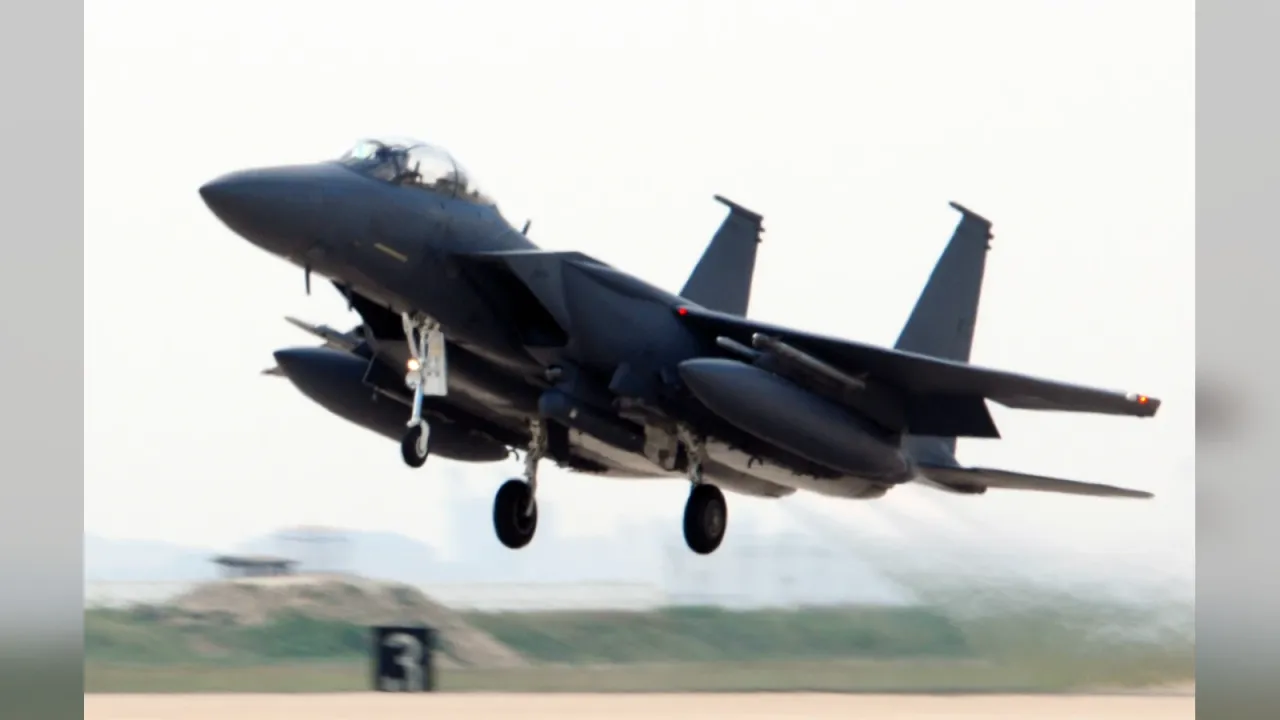
South Korean authorities on the morning of Tuesday, 24 November 2026 issued an air alert to residents of Ulleung County on Ulleungdo island after several Russian military aircraft entered South Korea's air defense identification zone over the East Sea and approached the island, before leaving the area after South Korean fighters were scrambled, without breaching the country's sovereign airspace.
The Republic of Korea Joint Chiefs of Staff said the number of Russian aircraft that entered the zone was fewer than five, without disclosing their types, and indicated that they came very close to South Korean airspace near the island.
F-15K fighters scrambled to intercept the Russian aircraft
The Joint Chiefs of Staff said the military detected the Russian planes before they entered the air defense identification zone and dispatched air force fighters, including F-15K aircraft, to take tactical measures in case of any contingency, adding that the Russian aircraft moved away toward the East Sea during the military measures and that no airspace violation was recorded.
The military explained that the decision to issue the alert was made by the Air Operations Command in light of the situation in the skies and the proximity of the aircraft to the island, and that the alert was issued via the Ministry of the Interior and Safety's civil defense center.
Alert lasted minutes and erroneous messages confused residents
The alert was issued at about 7:52 a.m. local time (1:52 a.m. Baghdad time), and island residents received an emergency message on their phones urging them to take shelter in underground facilities or inside buildings, before the alert was lifted after a few minutes when the aircraft moved away from the danger area.
The first emergency message stated that Russian aircraft had violated South Korean airspace, which the military later denied, while the alert-clear message issued by the North Gyeongsang provincial government mistakenly described the aircraft as suspected North Korean, causing confusion among residents, before the Joint Chiefs of Staff confirmed they were Russian military aircraft.
Issuing an air alert because Russian aircraft entered the South Korean air defense identification zone is a rare step; in previous cases Seoul has limited its response to scrambling fighters to monitor the aircraft until they departed, as happened on 17 November this month when Russian military aircraft entered the zone over the East Sea and then left without violating airspace.
Seoul summons the Russian defense attaché
South Korea's defense ministry summoned the defense attaché at the Russian embassy in Seoul on Tuesday afternoon to lodge a strongly worded protest over the Russian aircraft's approach to the island's airspace.
The incident comes at a time when the Korean Peninsula is following complex diplomatic movements, after reports of U.S. efforts to arrange a summit between Trump and Kim Jong Un that were foiled by Pyongyang's conditions.
A zone Moscow does not recognize
An air defense identification zone is a line set by a state to detect approaching military aircraft and identify them early, and it differs from sovereign airspace, which covers a country's land and territorial waters. International practice has been for military aircraft entering another state's ADIZ to file flight plans in advance and report their positions upon entry.
However, Russia does not recognize South Korea's air defense identification zone, saying it lacks a basis in international law, and in July 2019 a Russian A-50 early warning aircraft entered South Korean airspace near the Dokdo islands, prompting Korean fighters to fire warning shots.