Baghdad speeds up purchases of layered air-defence systems from several countries after coalition withdrawal
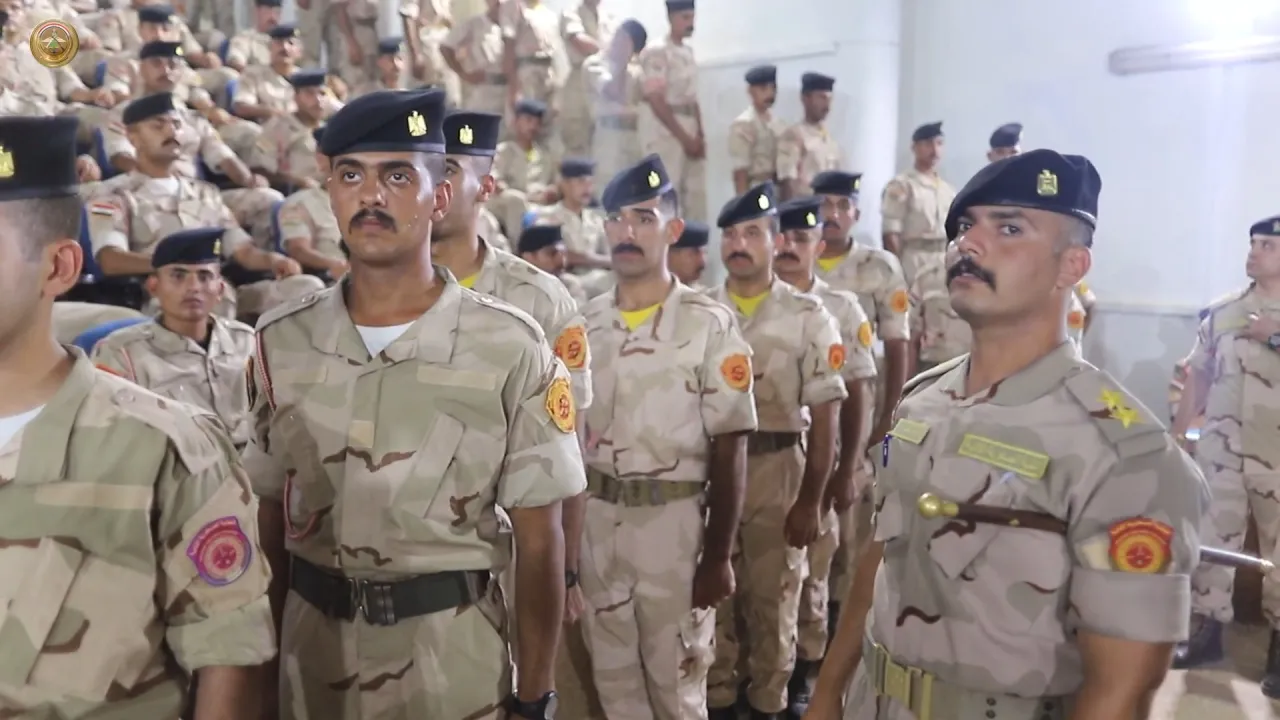
According to a Forbes report, Iraq is seeking to expand its airspace coverage and buy systems from the United States, Turkey, South Korea and France after coalition forces withdrew and took their air-defence assets.
Forbes magazine reported that Iraq faces a growing need to expand coverage of its airspace and bolster its defenses after the withdrawal of coalition forces and the removal of their advanced air systems, and that it is contracting with multiple suppliers to secure new aerial systems.
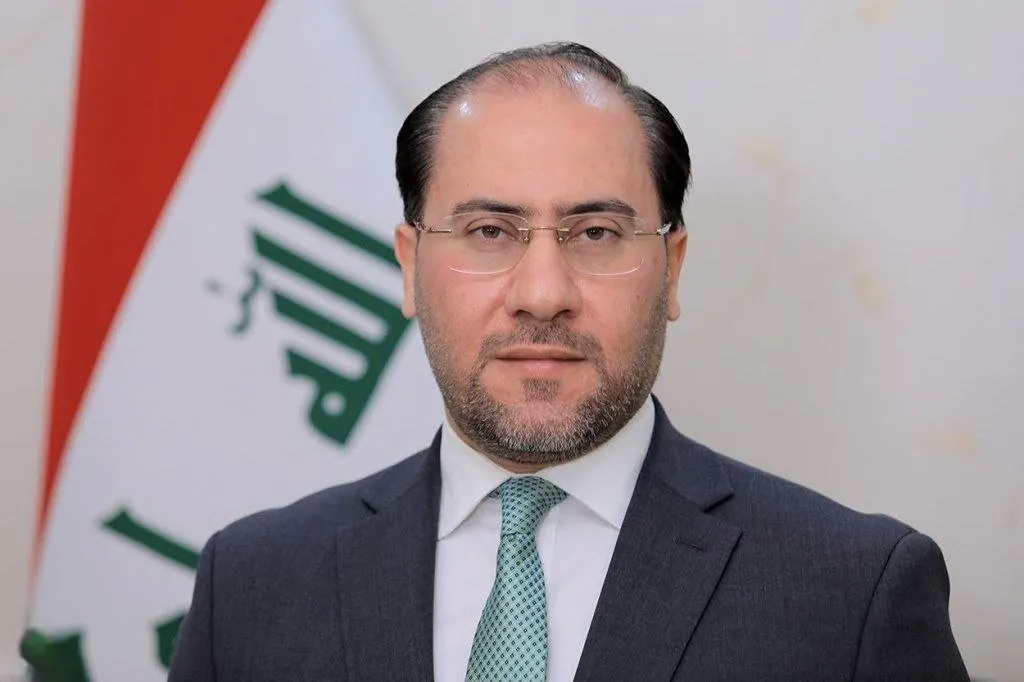
The magazine cited statements attributed to the spokesman for the Commander‑in‑Chief of the Armed Forces, Sabah al‑Numan, who said Baghdad had contracted with the United States, Turkey and South Korea, and expected the first air‑defence system to arrive in the coming months. He added that Iraq is preparing to deploy advanced air defenses and long‑range surveillance radars, according to remarks quoted from him in October.
The report also referenced a statement by Mahmoud al‑Shammari, a member of the Parliament’s Security and Defense Committee, that “intensive efforts are underway” to secure the airspace, that Turkish approval had been granted to supply Iraq with air‑defence systems, and that Baghdad struck a similar agreement with France during Prime Minister Ali al‑Zaidi’s visit in September. In a related development the report cited Agence France‑Presse on a signed letter of intent between the company Harmattan AI and the Iraqi Ministry of Defense concerning independent air‑defence systems.
The magazine noted that military and administrative officials made these remarks as remaining US forces stationed in the Kurdistan Region were withdrawing. Those forces had brought air‑defence systems, including the Patriot system that helped protect Erbil, but these were pulled back before the coalition left, leaving very limited air‑defence capabilities and affecting the region’s readiness against aerial threats.
The Iraqi Ministry of Defense, for its part, said there is a plan to equip the Kurdistan Region with air‑defence systems over a period of three to six years.
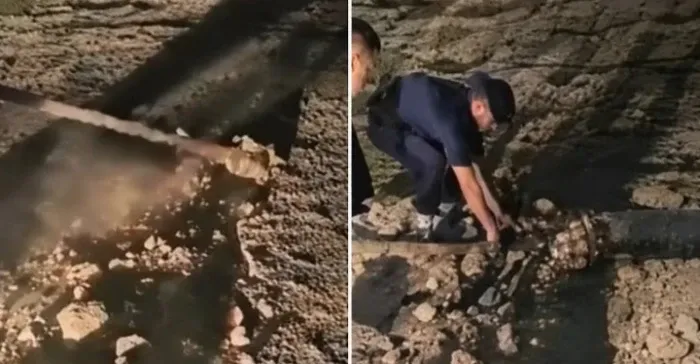
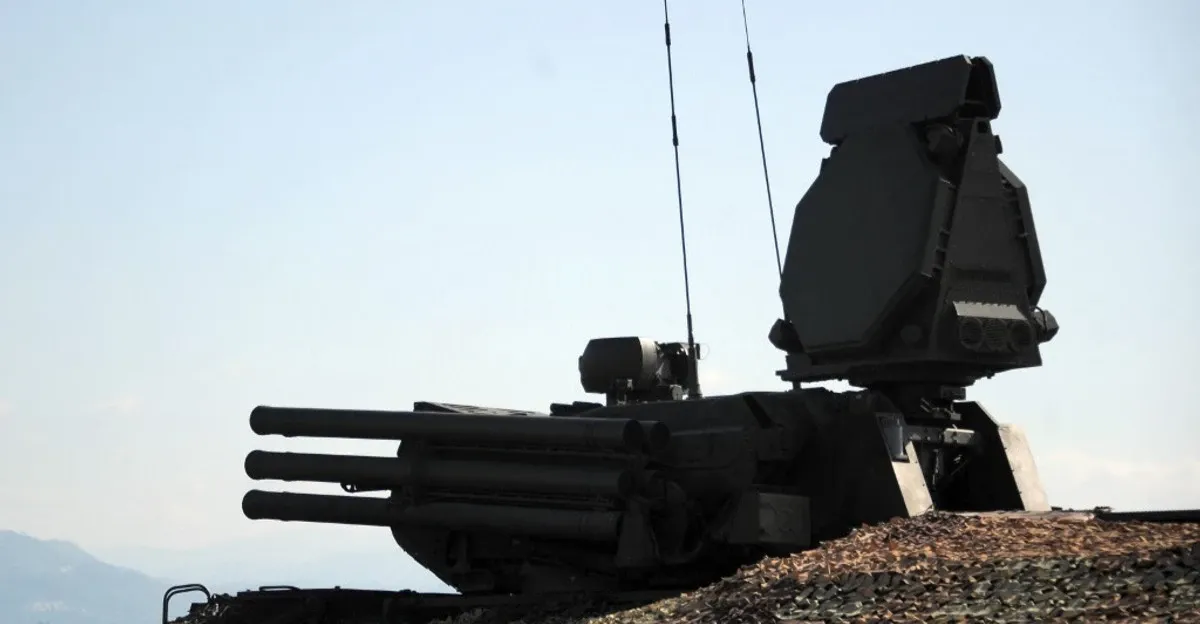
The report outlined Iraq’s current arsenal, noting it possesses batteries of the Russian Pantsir‑S1 medium‑range systems and Avenger AN/TWQ systems that fire FIM‑92 Stinger short‑range missiles, but added that these systems were insufficient to repel drone attacks or to deter repeated airspace violations during recent regional conflicts.
According to the report, Baghdad requested from South Korea eight medium‑range air‑defence batteries of the Cheongung‑2, known as the KM‑SAM, preferring them over similar French SAMP/T systems because of a faster delivery schedule. The report explained that these systems, unlike Iraq’s current equipment, have the capability to engage ballistic missiles.
The report said Iraq had hoped to receive these systems earlier in the year but was in August still discussing financing for the deal, and that, according to reports, it risks losing a $2.7 billion contract if it cannot pay the remaining installments.
It also covered the Turkish Korkut anti‑aircraft system that Baghdad seeks to import, designed to counter nearby drones using smart munitions, and said the South Korean and Turkish systems could provide multilayered defence for parts of Iraqi airspace at different altitudes.
The report said the United States’ position on the systems Iraq is negotiating to acquire remains unclear, recalling earlier 2010 attempts to procure Hawk‑21 medium‑range systems alongside Avenger systems, which ultimately resulted in the acquisition of short‑range systems only.
It noted that Iraq’s procurement policy reflects a long history of diversifying arms sources between East and West, pointing out that Iraq previously operated French and Soviet aircraft concurrently (such as Mirage and MiG), and that it currently flies F‑16s while exploring purchases of French Rafale fighters and possibly Chinese‑Pakistani JF‑17s.
Regarding vehicles and tanks, the report said Iraq received M1A1 Abrams tanks from the United States after 2003, then later returned to Russia to buy 73 T‑90 tanks, and that there is believed to be current consideration of purchasing large numbers of South Korean K2 Thunder tanks.
The report reviewed Iraq’s past possession of Soviet‑era air‑defence systems such as Osa, Strela‑10 and Strela‑1, and shoulder‑fired missiles like Igla‑1, Strela‑2 and Strela‑3, in addition to French short‑range Roland‑2 systems that were integrated into a French command‑and‑control system called Kari; it noted that the US‑led coalition destroyed that system and many batteries during the 1991 Gulf War.
It also referred to older attempts dating to 2001 to obtain strategic systems such as the S‑200 and S‑300 through training in Belarus, but said Iraq did not acquire those systems before 2003 nor afterwards; late in the last decade and in the early 2010s there were discussions about possibly buying the S‑300 directly from Moscow that did not produce a deal.
The report concluded by estimating that if Baghdad succeeds in obtaining all the systems it is currently seeking, it would in the coming years possess one of the most diverse air‑defence arsenals in its modern history, according to the article.