Bill Gates warns of AI-powered cyberattacks rising next year
U.S. billionaire Bill Gates warned on Sunday that unregulated AI poses a growing threat, predicting a rise in AI-powered cyberattacks during the coming year and saying the immediate danger is malicious actors using current systems without safeguards.
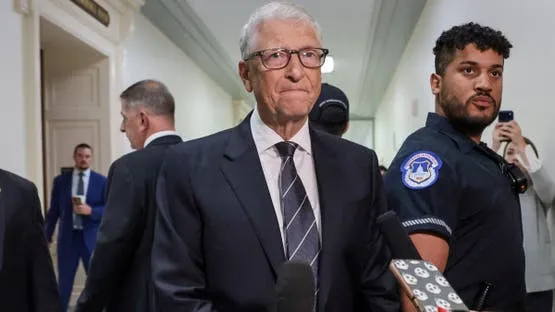
On Sunday, Microsoft co-founder and U.S. billionaire Bill Gates warned that unregulated artificial intelligence poses a growing threat, predicting that the coming year will see an increase in cyberattacks powered by this technology.
Gates said the risk of AI "getting out of control" remains something on the horizon over the coming years, but he emphasized that the immediate concern is "bad actors" using existing systems without safeguards or protective measures.
Gates added: "The front where we are most likely to see the biggest impact during the next year is cyberattacks."
Gates described the current danger, saying: "The real danger right now is not AI getting out of control. It's true that we need to work on that issue, but its potentially large impact is still years away."
He continued: "The real problem is bad actors using AI, especially when it is possible to remove all the built‑in safeguards and protections."
He also said: "But at the moment, it is possible to remove all these safeguards. And when bad actors, without any guarantees, meet the latest AI models, it is precisely here that during the next year we will face many negative surprises, especially in the field of cyberattacks."
Gates thus joins other tech leaders sounding the alarm about the threats posed by AI technologies. In a lengthy post published in August, he warned that the world is dangerously unprepared for the disruptions AI could cause, particularly in the labor market.
In his Sunday interview, Gates rejected the idea that self‑regulation by AI companies is sufficient to keep the world safe — a notion defended by U.S. President Donald Trump. He said: "The idea that the most dangerous technology humans have ever created can be controlled through self‑regulation alone, and that the companies themselves are the sole entities monitoring it on society's behalf... reflects that we are not doing enough."