Botox and Fillers for Women: Differences, Benefits and Risks Before Injection
Botox and fillers for women: the differences between them, their benefits and risks before injection
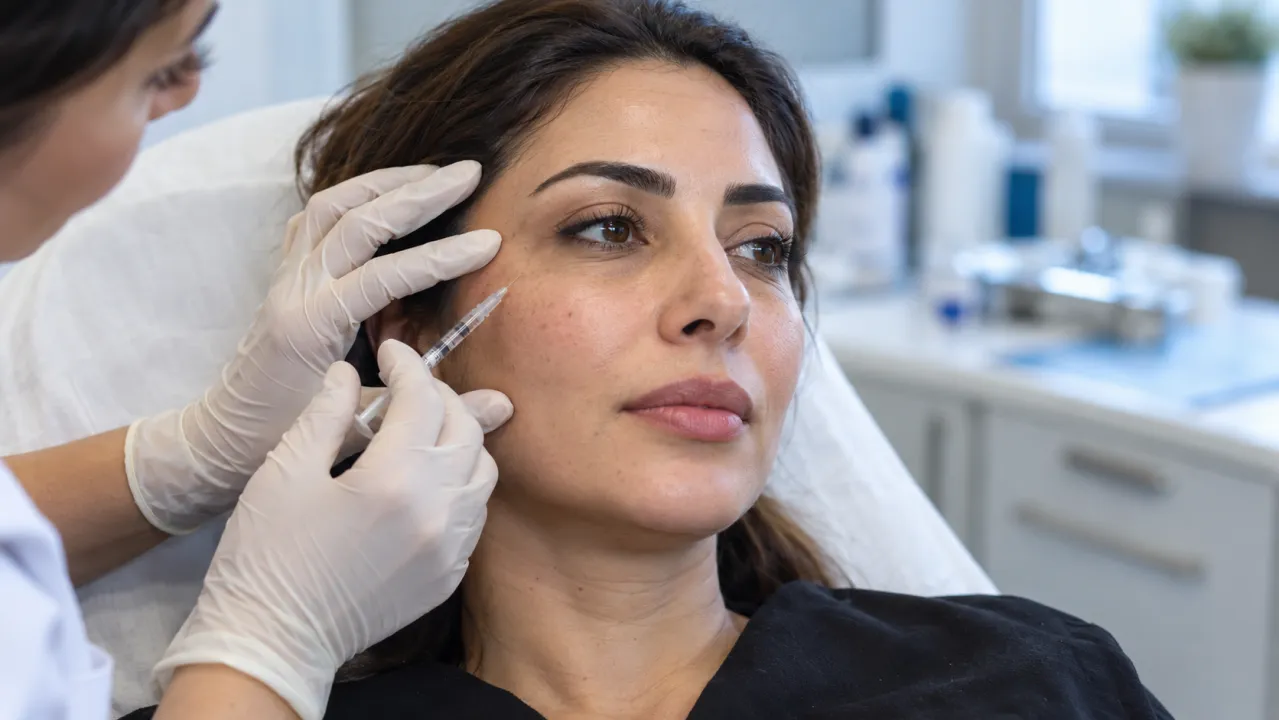
Botox and fillers for women: the differences between them, their benefits and risks before injection
Al-Wasat Iraqi Newspaper — Health and Beauty
A Botox or filler session may seem quick, but the decision does not start with choosing the number of injections or copying an image circulated on social media. Each procedure has a different function, every face has its own needs, and results depend on the type of product, the physician’s experience, and the health condition.
Medical authorities emphasize that cosmetic injections are medical procedures that require prior assessment and understanding of the possible outcome and complications, even when they do not involve surgery or a long recovery period.
What is the difference between Botox and fillers?
Botox is a trade name for one of the botulinum toxin preparations, and it is used cosmetically to temporarily relax specific muscles, reducing lines related to their movement, such as frown lines and wrinkles around the eyes.
Fillers is a name for a group of substances injected to add volume or improve certain hollows, folds and facial borders; their properties vary depending on the material and the treated area.
Comparison — Botox vs Filler: Main function: Botox reduces activity of specific muscles; Filler adds volume or improves certain folds and facial contours. Common uses: Botox — frown lines, forehead, around the eyes; Filler — lips, cheeks and some folds depending on the product. Onset of results: Botox usually appears within days; many fillers show immediate or near-immediate change. Duration of effect: Botox typically about 3–4 months; fillers vary widely depending on product and area. Does it treat all signs of aging? No.
The American Academy of Dermatology notes that botulinum results appear in most people within 3–7 days, while many filler materials show rapid change; collagen-stimulating materials take longer.
When is Botox appropriate?
It is used to soften some lines that appear with facial expressions; the physician determines which muscles need treatment after examining movement and symmetry.
The treatment should not completely eliminate expressions; selecting the right muscles and dose helps maintain a natural appearance. Also, Botox does not plump lips or replace lost cheek volume in the way fillers do.
About fillers: why isn't the same product suitable for every area?
Fillers include hyaluronic acid, calcium hydroxyapatite, and collagen-stimulating materials such as poly-L-lactic acid, in addition to long-lasting or permanent materials.
Hyaluronic acid is a common ingredient; it occurs naturally in the body, but injectable preparations differ in composition and properties. Therefore, it is not enough to ask about the manufacturer; you should know the specific product and its suitability for the area and goal.
Some materials add volume directly, while others rely on stimulating a gradual response within the skin.
How long do results last?
Botox effect usually lasts about three to four months, and it may last longer in some people. Fillers do not have a single expiration time that applies to everyone.
The American Academy of Dermatology provides an approximate range of four to twelve months for some hyaluronic acid products, with duration varying by product and injection site. Therefore, ask the physician about the expected duration for the specific material used and do not treat general numbers as guarantees.
Also, fullness of the face or lips in the first hours does not always reflect the final result, because swelling can temporarily affect the appearance.
Can Botox and fillers be combined?
A treatment plan may include more than one procedure when problems differ, such as expression lines and volume loss in another area. But combining them is not necessary for every woman; it should be based on examination and the expected goal, not a fixed marketing package for all faces.
Side effects: what to expect and what should raise concern?
Botox may cause redness, bruising, or mild pain at injection sites, and sometimes headaches. Temporary weakness in an adjacent muscle can lead to drooping of the brow or eyelid.
Fillers may cause swelling, bruising and local sensitivity, and lumps, infection, or inflammatory reactions can occur, some of which appear after some time following the session.
One of the most serious complications is inadvertent injection of the material into a blood vessel, which can cut off circulation to tissues. Although this is uncommon, consequences can be severe and include skin damage, visual disturbance or loss, or stroke.
Signs that should not wait for a follow-up appointment
After filler, seek urgent medical evaluation immediately if any of the following occur:
- Unusual or severe pain, especially if it is increasing.
- Whitening of the skin or change to gray or blue color near the injection site.
- Blurred vision or loss of vision.
- Sudden weakness, speech disturbance, or new neurological symptoms.
If vision changes or stroke symptoms appear, go to the emergency department immediately and do not rely on sending a photo to the clinic.
After Botox, difficulty breathing, swallowing or speaking, or generalized muscle weakness, require immediate medical care. Safety information for the product indicates that symptoms of spread of effect can appear within hours to weeks; this is a safety warning, not a description of what typically happens after a cosmetic session.
Pregnancy and breastfeeding: are cosmetic injections safe?
Absence of evidence of harm should not be considered proof of safety. Botox safety information states that its effect on the fetus is unknown, as is transfer into breast milk.
Therefore inform the physician if you are pregnant, planning pregnancy, or breastfeeding, and discuss postponing elective cosmetic procedures. Safety of one material cannot be generalized to others; fillers are a variety of products and product information and data for these groups should be reviewed before deciding.
What should you tell the physician before the session?
Provide a clear medical history including medications, supplements, allergies, previous surgeries, and any prior cosmetic injections with the product name and date if possible.
Blood thinners and aspirin are important because they may affect bleeding and bruising, but you should not stop a prescribed medication for a cosmetic session without discussing adjustments with the physician responsible for that treatment.
Also inform the doctor about neurological or muscle diseases and swallowing or breathing problems. Botox must not be given in the presence of an infection at the injection site or a known allergy to the product, according to its safety information.
Can filler be dissolved if you do not like the result?
A physician can use the enzyme hyaluronidase to break down hyaluronic acid filler, but it does not dissolve all types of fillers.
Dissolving may require more than one session and carries its own risks, such as swelling, bruising and allergic reactions. Therefore, the ability to dissolve a material does not mean injections are risk-free or that every unwanted result can be corrected immediately and completely.
There is no safe home method to dissolve filler; attempts with vigorous massage or unknown substances do not replace medical evaluation.
How to choose the physician and the product?
Medical bodies recommend choosing a licensed, trained specialist with experience in facial anatomy, injections and managing complications. You can use these questions during the consultation:
- What problem will the injection address and what is a realistic result?
- What is the name of the material and product to be used?
- Is the product suitable and approved for this use by the relevant authority?
- What are the possible complications in this area?
- How can I contact the physician if a problem appears outside office hours?
- What is the cost of follow-up or correction if needed?
The U.S. Food and Drug Administration recommends using products with clear labeling and sealed packaging and avoiding buying injection materials online or self-injecting. It also warns against filler devices that work by pressure without a needle; lack of a needle does not make the procedure safe.
Aftercare: instructions vary by material
It is advised not to rub or massage Botox sites. After filler, follow the physician’s instructions regarding exercise, pressure on the area, and skin care.
Massage advice should not be generalized to all fillers; some materials need specific instructions while others are not suited to random handling. Also allow time to recover before events, because bruising and swelling can last days.
Cosmetic decisions require time and realistic expectations
The UK National Health Service recommends thinking about the reason for wanting the procedure, discussing expectations and total cost including follow-up and future sessions.
A good decision is not imposed by limited-time discounts or influencers’ photos. A woman can postpone or refuse the session if she does not feel comfortable, and having injections is not a condition for self-care or beauty.
This content is for health education and does not determine suitability of injections for an individual case; suitability requires examination by a specialist physician.
Medical sources used for this article:
- American Academy of Dermatology: Botulinum and frequently asked questions
- American Academy of Dermatology: Onset of botulinum results
- American Academy of Dermatology: Preparation before botulinum
- American Academy of Dermatology: Fillers, results and recovery
- U.S. Food and Drug Administration: Risks of fillers
- U.S. Food and Drug Administration: Guidelines for choosing and using fillers
- American Society of Plastic Surgeons: About fillers
- Cleveland Clinic: dissolving lip filler
- National Health Service (UK): Before deciding on a cosmetic procedure
- Official safety information for BOTOX Cosmetic — the manufacturer



