Commander-in-Chief Orders Troops into Jurf al-Nasr Following Oil Pipeline Tampering Discovery
The government is investigating oil smuggling suspicions in Jurf al-Nasr after a high-level committee report detected pipeline tampering and the presence of refineries and tanks. Commander-in-Chief Ali al-Zaidi has ordered troop deployment and set a deadline for Kata'ib Hezbollah to leave the area.

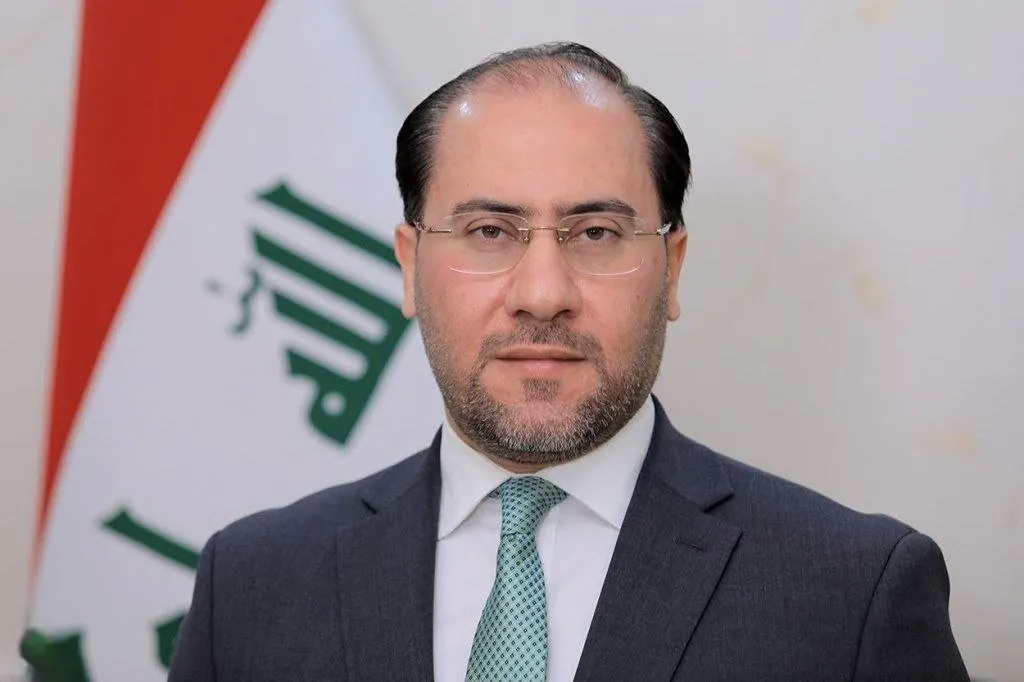
Government spokesperson Haider al-Aboudi confirmed that Commander-in-Chief of the Armed Forces, Ali al-Zaidi, issued directives for troops to enter the Jurf al-Nasr area. He noted that a high-level investigative committee detected evidence of tampering with oil pipelines and the presence of refineries, tanks, and tankers within the area, and a deadline has been set for Kata'ib Hezbollah to withdraw from Jurf al-Nasr.
Al-Aboudi stated that the Jurf al-Nasr file had been described as closed for years, but the government intervened based on its constitutional powers and responsibility to protect public funds to investigate oil smuggling suspicions. Directives were issued to specialized security agencies, particularly the National Intelligence Service and the National Intelligence and Security Agency, to monitor smuggling indicators and integrate the data into an electronic tracking program.
He added that a report prepared by the Intelligence Agency contained precise data and a reading based on scientific foundations. Accordingly, the Prime Minister directed the formation of a high-level committee headed by a security figure from the Popular Mobilization Forces (PMF). The committee has been working since Friday morning, entering the area after 10:00 AM and continuing until approximately 4:30 PM, inspecting six sites and moving to the coordinates provided in the intelligence report.
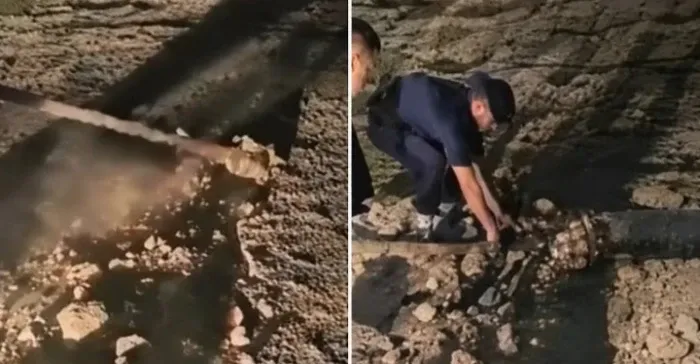
According to al-Aboudi, the committee detected clear tampering with the pipelines passing through the area, as well as attempts to fill in and cover the traces of this tampering. It also identified the presence of two refineries alongside a tanker and tanks, which are indicators that these facilities are needed to provide crude oil to operate the refineries.
The committee's message to the Prime Minister suggested holding an emergency security meeting in two days to discuss the report's findings. The Prime Minister praised the committee's work and ordered several dismissals. He emphasized that the responsibility for protecting state resources, including oil wealth, lies with security officials in their respective sectors, and that his directives extend to monitoring oil smuggling in all suspicious areas.
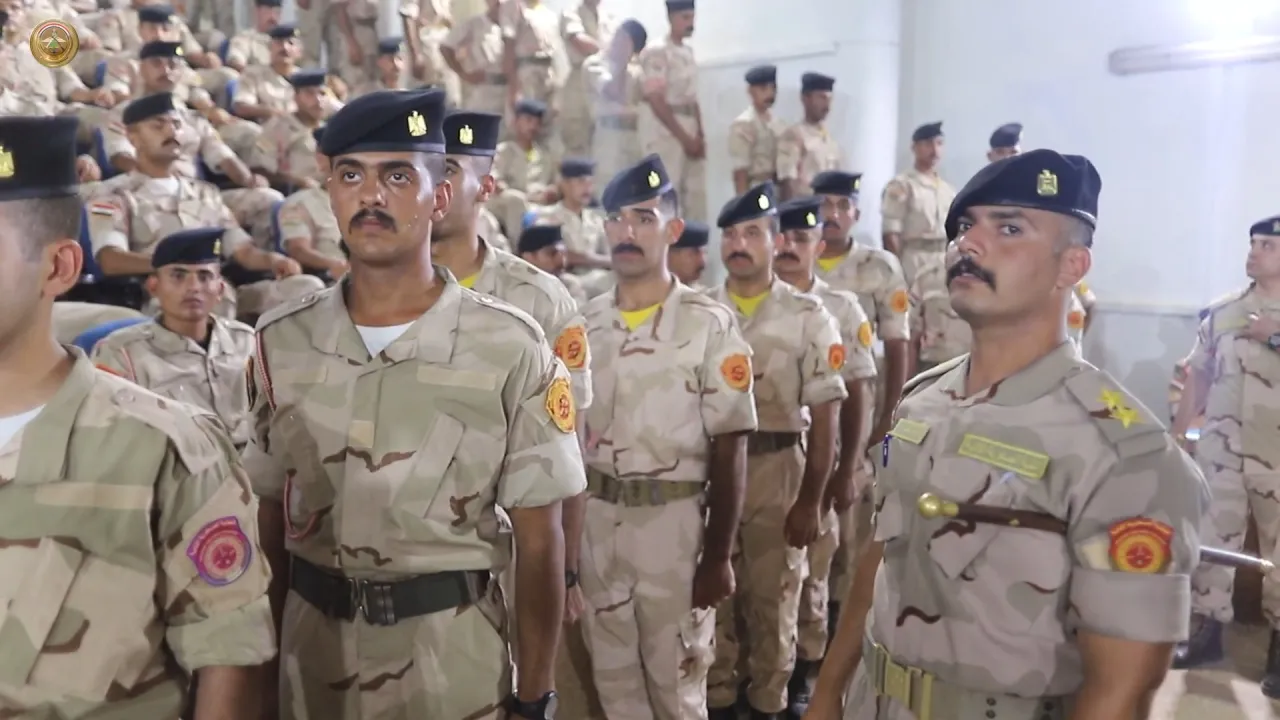
Al-Aboudi mentioned that the Commander-in-Chief of the Armed Forces directed security authorities to prevent the departure of tanker trucks responsible for transporting oil and derivatives. He confirmed the readiness of security agencies to resume their work within the Jurf al-Nasr area, noting that the decision to deploy the armed forces was made because security responsibility belongs to the legally authorized forces acting under the orders of Commander-in-Chief Ali al-Zaidi.
The spokesperson viewed the timing of questioning the forces' capabilities as coinciding with their increasing readiness, especially since Sovereignty Day on September 30, when International Coalition forces departed Iraqi territory. He suggested that those benefiting from security loopholes might oppose the official forces completing their mission of securing the land.
Regarding the specified deadline, al-Aboudi said a deadline has been set for Kata'ib Hezbollah to leave Jurf al-Nasr and that it is not far off. At the same time, he emphasized that the committee's mission was specifically to monitor oil smuggling indicators, and that the Commander-in-Chief's directives cover areas stretching from Zakho to Basra, where specialized agencies have begun tracking smuggling suspicions in several regions.
Concerning coordination with the Kurdistan Region, al-Aboudi confirmed that dealings are conducted according to the constitution, which defines the Region's powers within the framework of the state. He noted there is coordination and acceptable signs of cooperation with representatives of the security agencies officially tasked by the federal government to track oil smuggling suspicions. He warned that anyone obstructing the work of security forces will face the law, noting the possibility of army forces entering areas within the Kurdistan Region if necessity dictates.