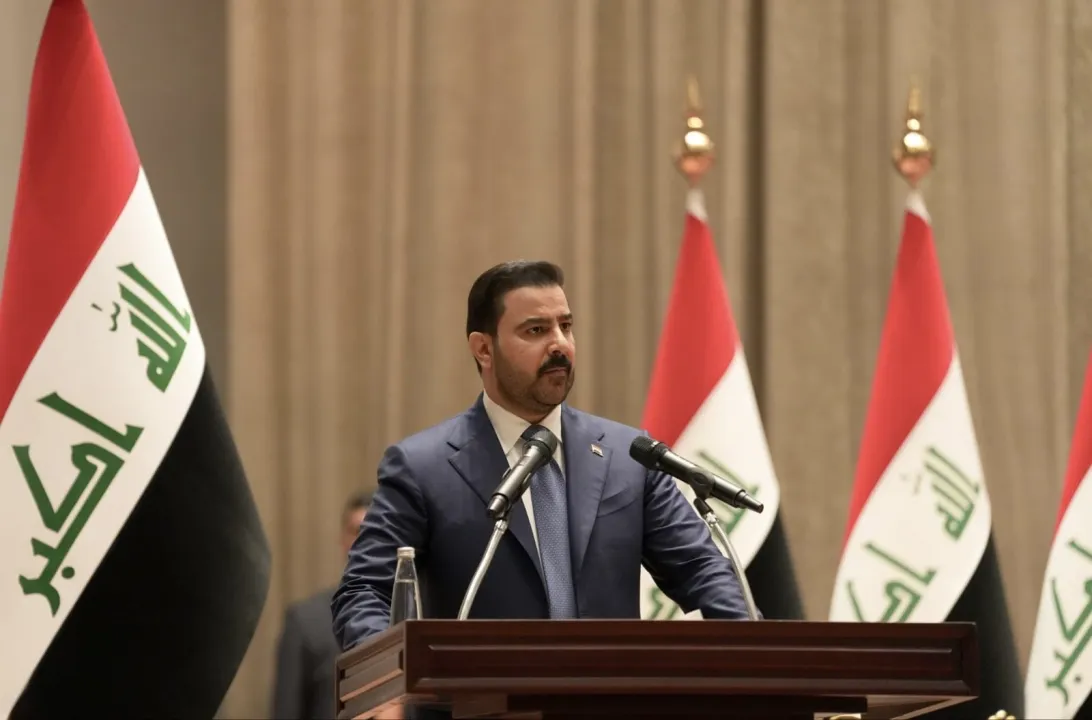
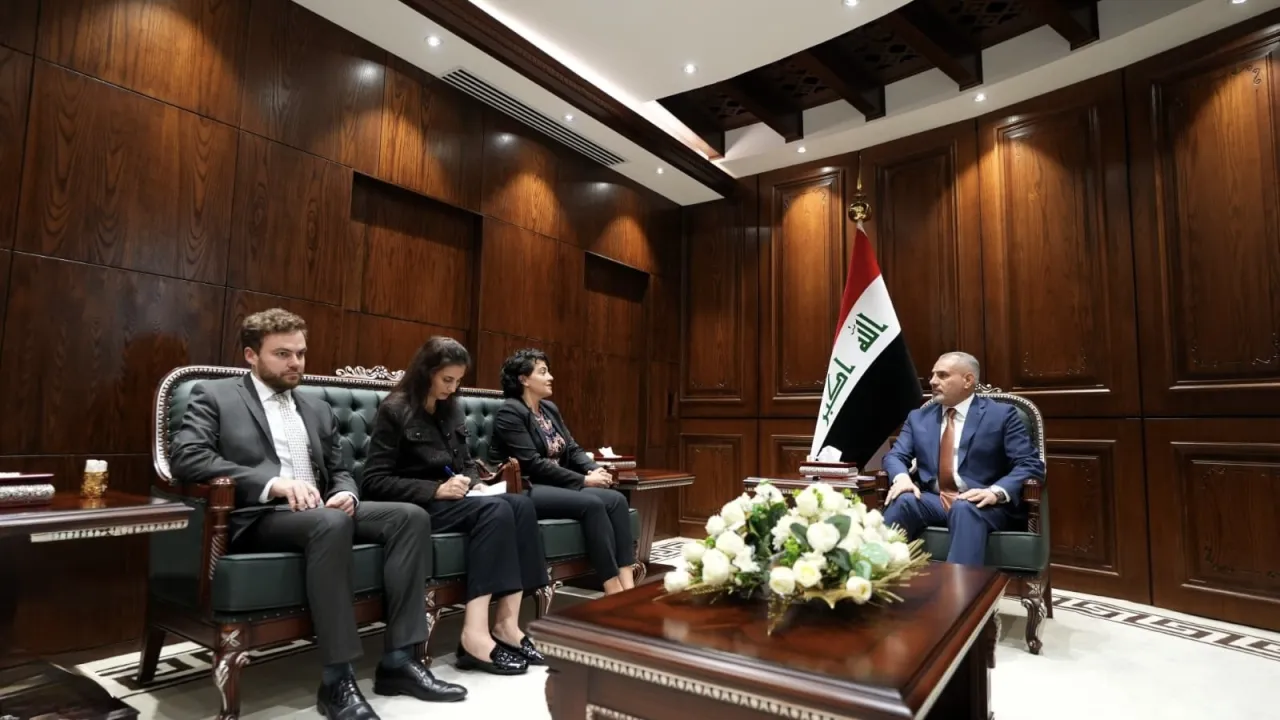
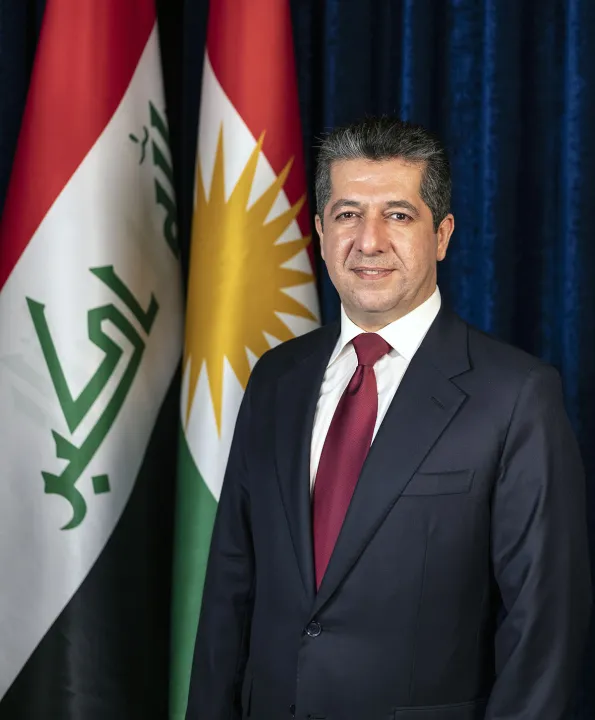
Coordinating Framework leaders meet at Hammam Hamoudi’s home with al-Zaidi present to contain tensions
Coordinating Framework leaders met at the home of Supreme Islamic Council head Hammam Hamoudi with Prime Minister Ali al-Zaidi present to discuss the escalation with Kata'ib Hezbollah and the issue of placing weapons under state control, according to a source familiar with the matter.
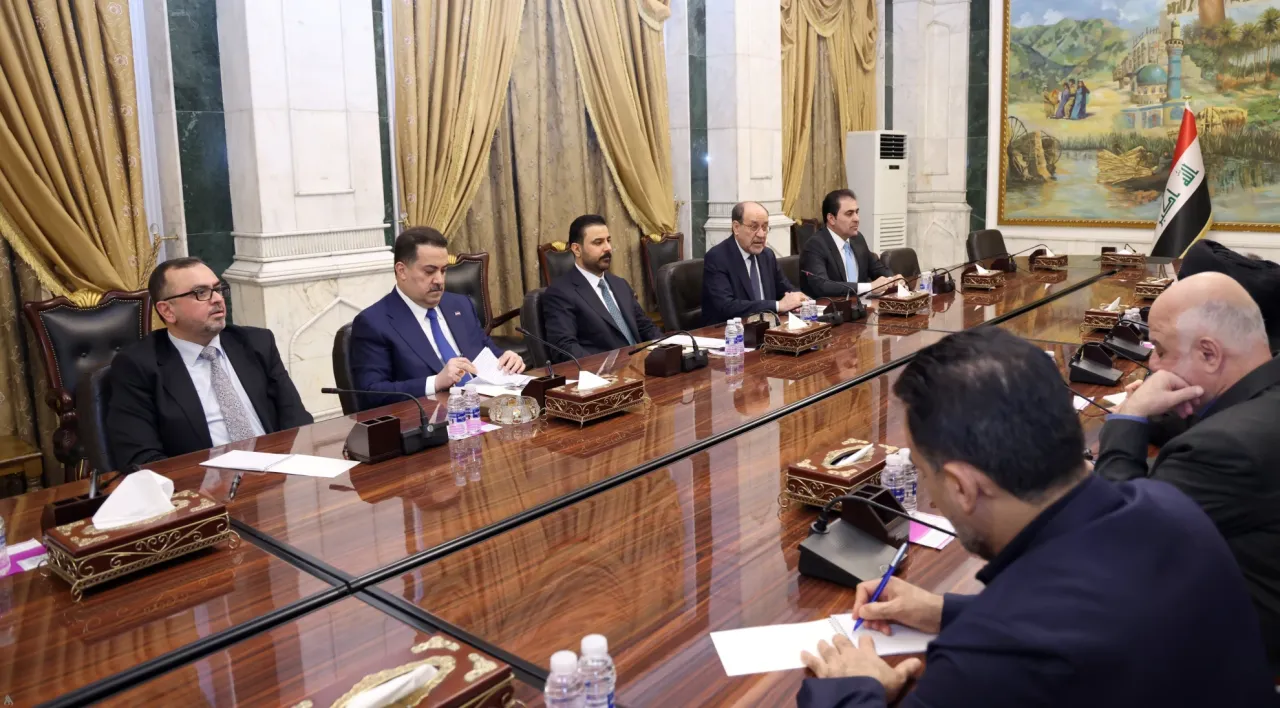
Coordinating Framework leaders met on Monday at the home of the head of the Supreme Islamic Council, Hammam Hamoudi, with Prime Minister Ali al-Zaidi present, to discuss the fallout from the recent escalation between the government and Kata'ib Hezbollah and issues related to placing weapons under state control, according to a source familiar with the matter.
The source said the meeting will address the seriousness of the escalating tensions between al-Zaidi and Kata'ib Hezbollah and will consider efforts to contain the dispute and prevent it from escalating to more dangerous levels.
He added that attendees will complete negotiations related to the process of placing weapons under state control, and will also discuss a proposed agreement paper prepared by the four-member committee emerging from the Coordinating Framework and the armed factions, as a step toward reaching understandings on this file.
In recent days the dispute between al-Zaidi and Kata'ib Hezbollah has intensified over political, security and economic issues, accompanied by media exchanges and government measures that included activating arrest warrants against a number of suspects linked to the Kata'ib.
The issue of placing weapons under state control is one of the main points of contention between the government and the armed factions, amid public positions by Kata'ib Hezbollah, Harakat al-Nujaba and Kata'ib Sayyid al-Shuhada rejecting relinquishing their military capabilities.
The Iraqi government's efforts on this issue have received declared U.S. support; the U.S. State Department previously said it supports al-Zaidi's efforts to extend state sovereignty, place weapons under state control and prevent armed attacks, while the White House stressed the need to transfer the factions' weapons to the federal government.