COP31 opens in Turkey amid energy security fears, rising coal use and AI-driven demand
UN climate talks begin today with participation from around 200 countries on Turkey's Mediterranean coast, amid security concerns and a power crisis that could limit chances of ambitious agreements.
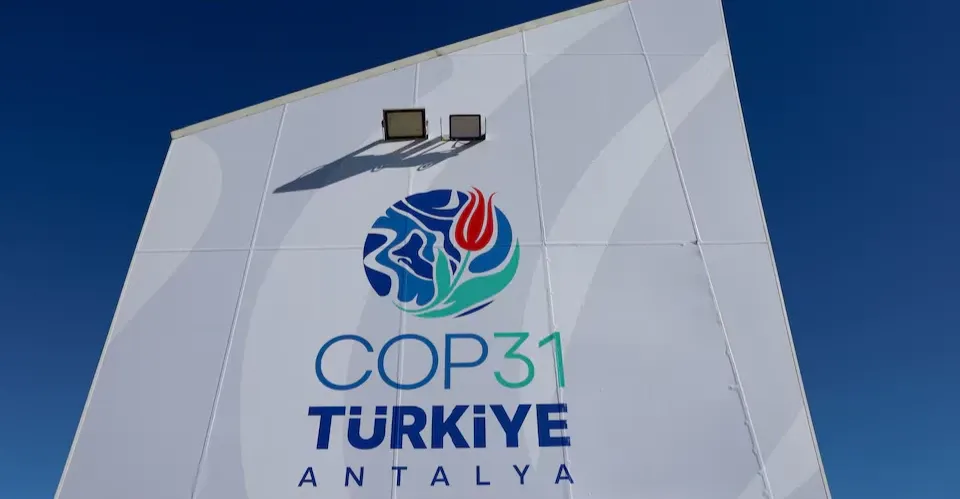
Work at the United Nations climate conference "COP31" begins today, Monday, in Turkey with representatives from about 200 countries, in sessions running for two weeks on the Mediterranean coast, amid an atmosphere marked by security concerns and an energy crisis that could limit delegations' ability to reach strong agreements.
The talks face growing challenges because of the fallout from the war on Iran, now in its ninth month, which has disrupted oil shipments through the Strait of Hormuz and pushed up fuel prices worldwide, prompting governments to seek alternative supplies and to run coal-fired plants. Asian countries such as South Korea, India and Thailand have increased their reliance on coal or taken steps to boost electricity production from it.
Against this backdrop, observers expect it will be difficult to reach ambitious understandings. In this context, John Holdren, a professor of environmental policy at Harvard University, described the prospects for optimism about the talks' outcomes as limited.
The conference presidency is urging governments to sign a pledge aimed at increasing the share of electricity in powering the global economy to more than one-third by 2035, versus about one-fifth at present, arguing that expanding electrification helps reduce emissions by accelerating the shift away from fossil-fuel–powered devices and machines.
But climate advocates have criticized the pledge because its text does not require the additional electricity to come from low-carbon sources, raising debate over whether increasing electricity supply alone constitutes climate progress.
Meanwhile, Pacific island nations and others are calling for a clearer global roadmap to phase out fossil fuels, while oil- and gas-producing countries, including Saudi Arabia, insist on keeping fossil fuels part of the energy mix during the transition, provided technologies are used that reduce or capture emissions.
Scientific institutions warn that the world is heading toward exceeding the 1.5°C threshold above preindustrial levels. A United Nations Environment Programme report published in October pointed to this risk, at a time when 2026 has seen severe heat waves in Western Europe and the collapse of a glacier river in Nepal that triggered a flood killing more than 1,450 people and leaving thousands missing.
Manjeet Dal, adviser to the Group of Least Developed Countries and director for South Asia at Climate Analytics, said this year has recorded large numbers of victims of climate-related disasters.
The fallout from the war on Iran has once again highlighted the global economy's dependence on fossil fuels, in a scene reminiscent of the effects of Russia's invasion of Ukraine. Some observers say supply disruptions may increase governments' determination to secure energy through coal and other fossil fuels, while others argue they could strengthen the case for accelerating the transition to renewables.
In parallel policy shifts, the administration of US President Donald Trump encouraged policies to increase production of oil, gas and coal, while the use of renewable energy sources has risen, driven by the expansion of China's exports of low-cost clean technologies — a development hailed by climate campaigners as positive.
Brazilian diplomat André Corrêa do Lago, a former president of the climate conference, said the war has reinforced the need to speed the energy transition and described the United States as an exceptional case in this context.
Experts pointed to another factor weighing on discussions: the rapid expansion of artificial intelligence, which increases electricity demand to run data centers and related infrastructure. Turkey is inviting governments, companies and institutions to sign a pledge on principles for developing and using AI in a sustainable manner.
Against this complex backdrop, business representatives say they are looking to COP31 for clarity on future energy and climate policies and trends that will help them set investment and operational plans.