Environment minister threatens legal action against oil companies operating in Basra and demands remediation plans
Sarwa Abd al-Wahid threatened to take strict legal measures against oil companies operating in Basra, demanding an end to pollution and plans to remediate damage proportionate to their profits.

On Monday, Environment Minister Sarwa Abd al-Wahid threatened to take strict legal measures against international oil companies operating in Basra Governorate, warning against continued pollution resulting from their activities and demanding they present clear plans to remediate environmental damage proportionate to the profits these companies earn from working in Iraq.
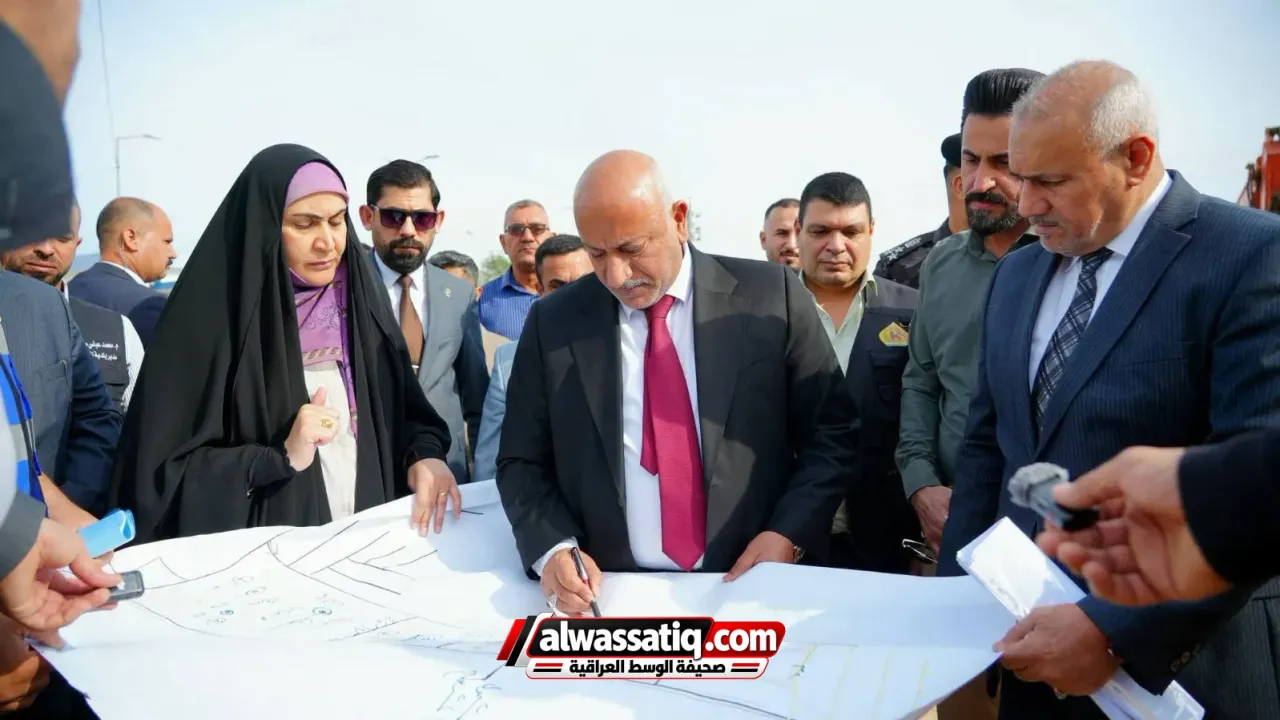
The minister said at a press conference held in Basra in the presence of the governor of the province, Asaad al-Eidani, that the ministry has "very negative indicators" regarding the environmental impact of oil activities, and that the companies operating there are required to stop the pollution and put forward a clear plan to address it. She added that she does not consider it acceptable for these companies to receive huge sums of money and then cause environmental problems within the governorate, saying they should apply in Iraq the same standards they adhere to in their own countries.
She indicated that the ministry will take strict and decisive measures with the companies starting today, and that a ministerial delegation will visit Basra Oil Company and one of the oil fields to review the environmental situation and follow up on files related to oil activity.
On the overall environmental situation in the governorate, Abd al-Wahid expressed hope that the success and reconstruction efforts underway in Basra will be reflected in its environmental reality, and that these efforts will contribute to achieving the goal of "zero pollution," noting that current measures to reduce pollution are still in their early stages despite noticeable progress in some sectors.
She pointed to developments in the hospital sector, where facilities have established biological treatment units, while at the same time stressing the need to complete requirements for solid waste treatment, including providing incinerators for waste.
Regarding the file of sewage and heavily polluted water, the minister said there are stations under completion and others that are finished, but obstacles still exist, especially concerning the Al-Zaytuna River, noting that the governor expressed his readiness to complete procedures for stations that have not yet entered service.
Abd al-Wahid revealed that Basra Governorate approved the provision of stations to monitor air quality, and that the Environmental Protection and Improvement Council approved providing stations to monitor water, which enables the ministry to track air and water pollution levels and base its work on monitoring data.
On the issue of water pollution, the minister said the ministry's plan is based on treating pollutants at their sources and includes water coming from the Kurdistan Region as part of efforts to address pollution of the Tigris and Euphrates rivers.
Abd al-Wahid concluded by noting that Basra faces major challenges related to mines and war remnants, considering the governorate among the most contaminated by these remnants, which places an increased responsibility on the ministry to work on this file more intensively, without providing additional details about associated indicators.