G7 foreign ministers warn of Iranian plots and call for protection of navigation and civilians
In a statement from Paris, G7 foreign ministers expressed concern about Iranian plots to target their countries and citizens, and called for the protection of civilians and an end to attacks on ships in the Strait of Hormuz.
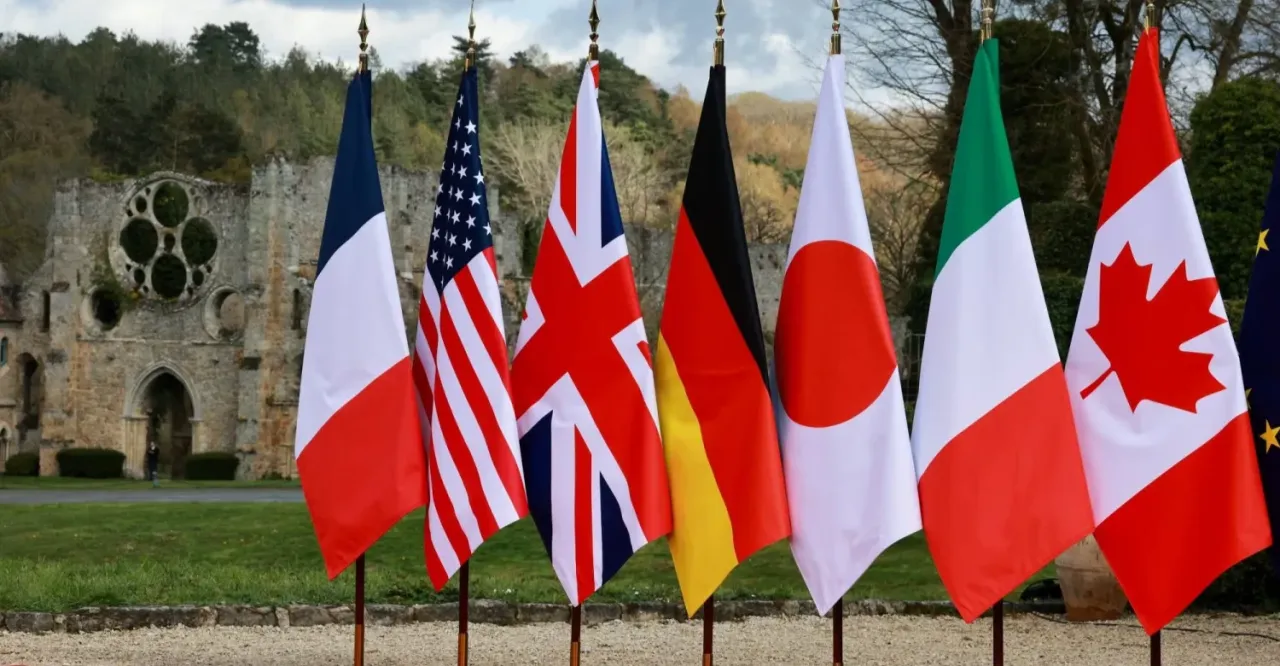
G7 foreign ministers, in a statement issued Wednesday after their meeting in Paris, expressed deep concern over plots they described as Iranian targeting the territories of their countries and their citizens, and also condemned Iranian attacks that have struck neighboring countries and resulted in disruption to trade, energy security and the economy.
The statement said the ministers stressed the importance of protecting civilians and civilian objects, and that they called on Iran to comply with its obligations and to stop the ongoing attacks on civilian vessels in the Strait of Hormuz.
The statement affirmed the importance of defensive operations carried out by U.S. Central Command (U.S. Central Command) in the strait, and noted that the defensive initiative led by France and Britain could help resume navigation through the strait.
According to the statement, the ministers praised mediation efforts on the Iran file and renewed their support for diplomatic endeavors aimed at reducing tensions.
On the Palestinian file, the ministers called on Israel to carry out a phased withdrawal from the Gaza Strip and to allow aid to be delivered in a safe and sustainable manner, and they also called for an end to terrorist attacks and all actions that increase tensions and raise the risk of escalation in the West Bank.
The statement explained that the G7 is an informal political and economic forum founded in 1975 and includes the United States, Canada, the United Kingdom, France, Germany, Italy and Japan, with the European Union participating in its meetings as a permanent partner.
Separately, French Foreign Minister Jean-Noël Barrot said last Monday that his country holds Iran responsible for cyberattacks that targeted refrigeration systems in French retail chains, and raised the possibility of imposing European sanctions on those responsible, including freezing their assets and banning their entry into EU territory, while not ruling out other undisclosed measures.