IAEA urges Iran to resume inspections and expresses concern over Isfahan site
The IAEA in a report distributed Friday called on Iran to resume inspections and voiced growing concern about an underground enrichment site in Isfahan that has not been inspected.
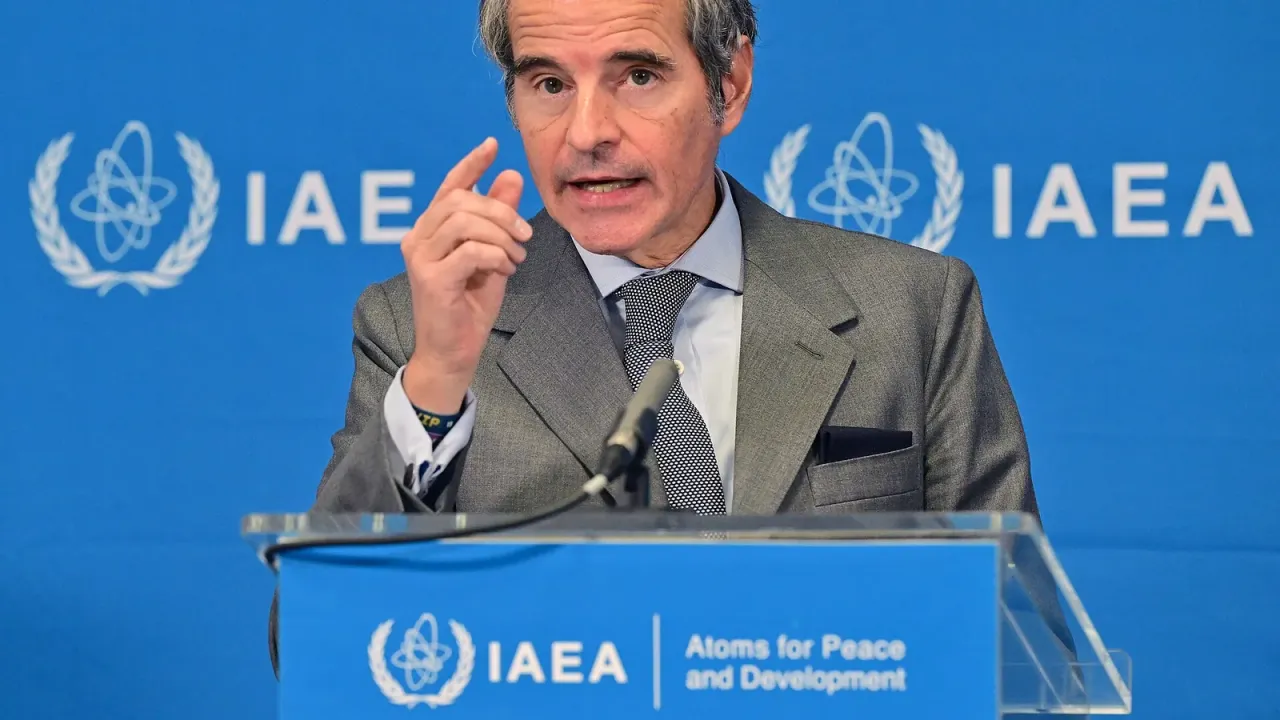
The International Atomic Energy Agency, in a confidential report distributed to member states on Friday, 13 November 2026, called on Iran to resume inspections of its nuclear facilities, expressing growing concern about an underground enrichment facility in Isfahan that inspectors were not allowed to visit.
Facility in Isfahan not inspected
The agency said it does not know the precise location of the Isfahan fuel-enrichment facility, nor its safeguards status, nor whether it contains nuclear material. Iran notified the agency of the facility in 2025, without allowing its design to be examined or the site to be visited. The report did not establish that enrichment operations are taking place there.
Inspectors were due to visit the facility in June 2025, but the visit was canceled when strikes on Iranian nuclear facilities began the same day.
Tehran ties inspections to Trump's threats
The report said Iran told the agency this month that discussions on resuming inspections inside the country cannot continue amid explicit, public and repeated threats by the President of the United States to carry out further acts of armed aggression, and that the matter will not be resolved until the causes of the current situation are addressed and the conditions necessary for safeguards to be implemented normally are restored.
The agency described the absence of information on Iranian facilities and nuclear material as a proliferation concern that must be remedied as quickly as possible, saying it is ready to resume safeguards activities in Iran at short notice. Its director general, Rafael Grossi, called on Iran to consider phased technical measures to allow inspectors to return. The agency's pre-strike estimates indicated that Iran held 440.9 kilograms of uranium enriched up to 60 percent, but it has since been unable to verify the location of that quantity or how much of it remains.
Read also: Trump rules out a deal with Iran and Tehran threatens to leave the nuclear treaty