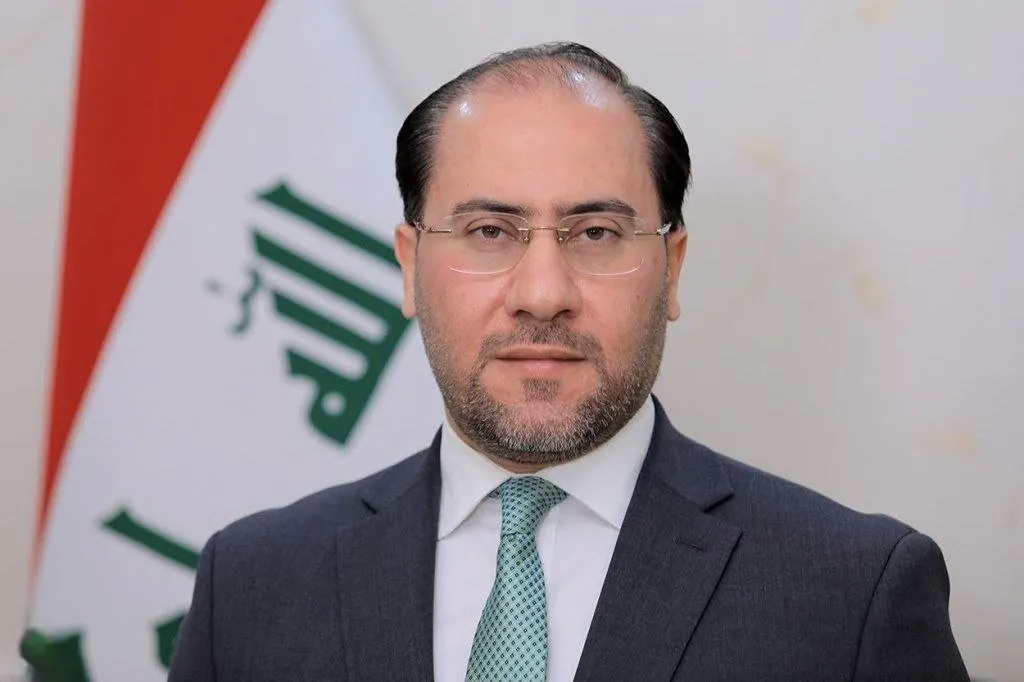
Ghassan Sukkar: Iraqi Consumer Trust Opens Horizons to Expand Trade and Investment with Syria
The first vice president of the Damascus Chamber of Commerce says the Syrian presence in the Iraqi market gives products strong credibility and opens opportunities to develop trade and investment cooperation between the two countries.

Ghassan Sukkar, the first vice president of the Damascus Chamber of Commerce, said on Tuesday that the Iraqi market is highly important to the Syrian economy due to Iraqi consumers' trust in Syrian products and goods, which provides broad opportunities to develop trade and investment cooperation between the two countries.
Sukkar noted that Syria has multiple economic roles that can contribute to strengthening cooperation with Iraq, especially in transit trade, national industries and agricultural crops, pointing out that Syrian industrial products enjoy credibility among Iraqi consumers and have promising potential in the local market there.
He said the coming period could constitute a new start for economic relations between the two countries by expanding areas of cooperation and opening horizons for businessmen and traders from both sides to establish joint companies and projects that contribute to stimulating commercial and investment activity.
He also noted that cooperation is not limited to direct trade exchange, but includes enhancing Syria’s role as a link between the Syrian producer and the Iraqi consumer to broaden opportunities for marketing national products.
He stressed the importance of intensifying meetings, seminars and economic conferences and of organizing direct meetings between traders and businessmen from both countries to establish partnerships, exchange expertise and explore joint investment opportunities.
In a related context, the Union of Syrian Chambers of Commerce announced that on November 2 the Iraqi government approved facilitating entry visas for Syrian traders of the excellent, first and second categories, based on recommendation letters issued by the union.
The union called on chambers of commerce to coordinate with it to obtain the necessary recommendation letters to complete visa procedures, explaining that these facilities came as part of ongoing economic meetings and discussions between the two sides.