Netanyahu pressures Trump to resume ‘operations’ against Iran after midterm elections; Tehran asserts nuclear and defensive readiness
According to informed sources, the Israeli prime minister asked Donald Trump to resume military operations against Iran after the midterm elections, while Tehran says it continues to boost its capabilities and defend its nuclear rights.
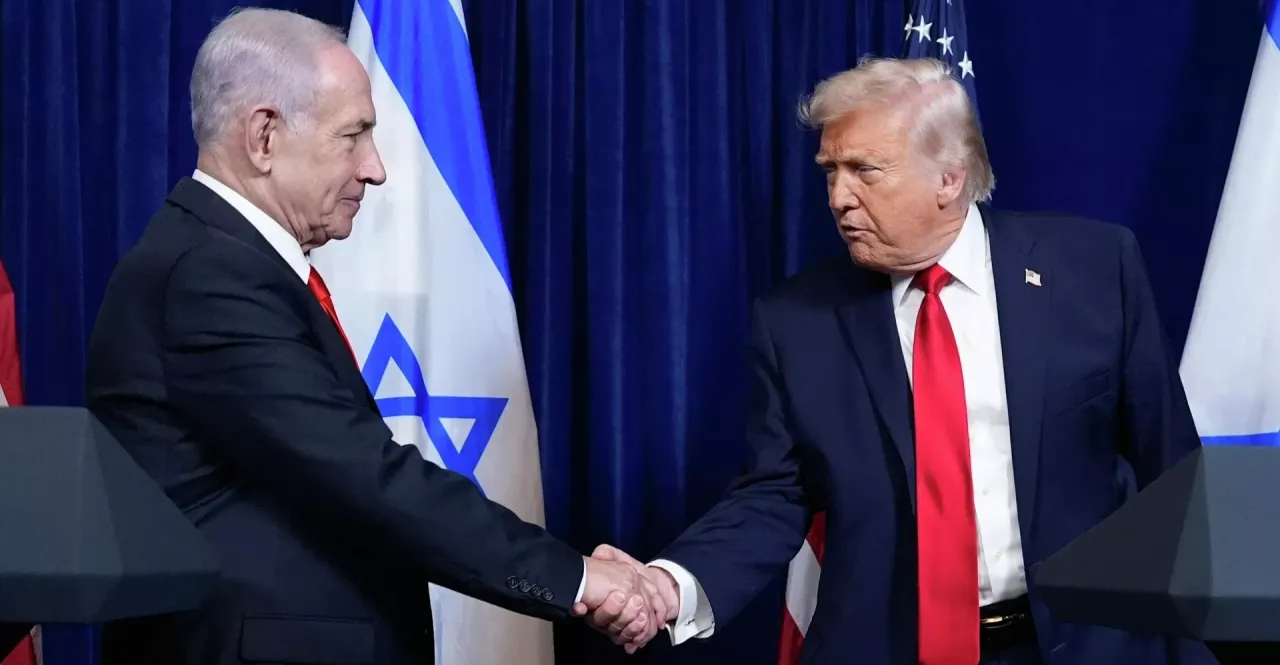
With the US midterm elections scheduled for next Tuesday approaching, Israeli Prime Minister Benjamin Netanyahu urged President Donald Trump to resume military operations against Iran immediately after the elections, according to informed sources who cited two people, one Israeli and one American.
The sources said the two sides discussed the course of negotiations between Washington and Tehran and the timing of a possible resumption of military operations, and that Trump currently prefers to give the diplomatic track a chance, which worried Netanyahu. An Israeli source described the conversation as "difficult," while an American source called it "direct."
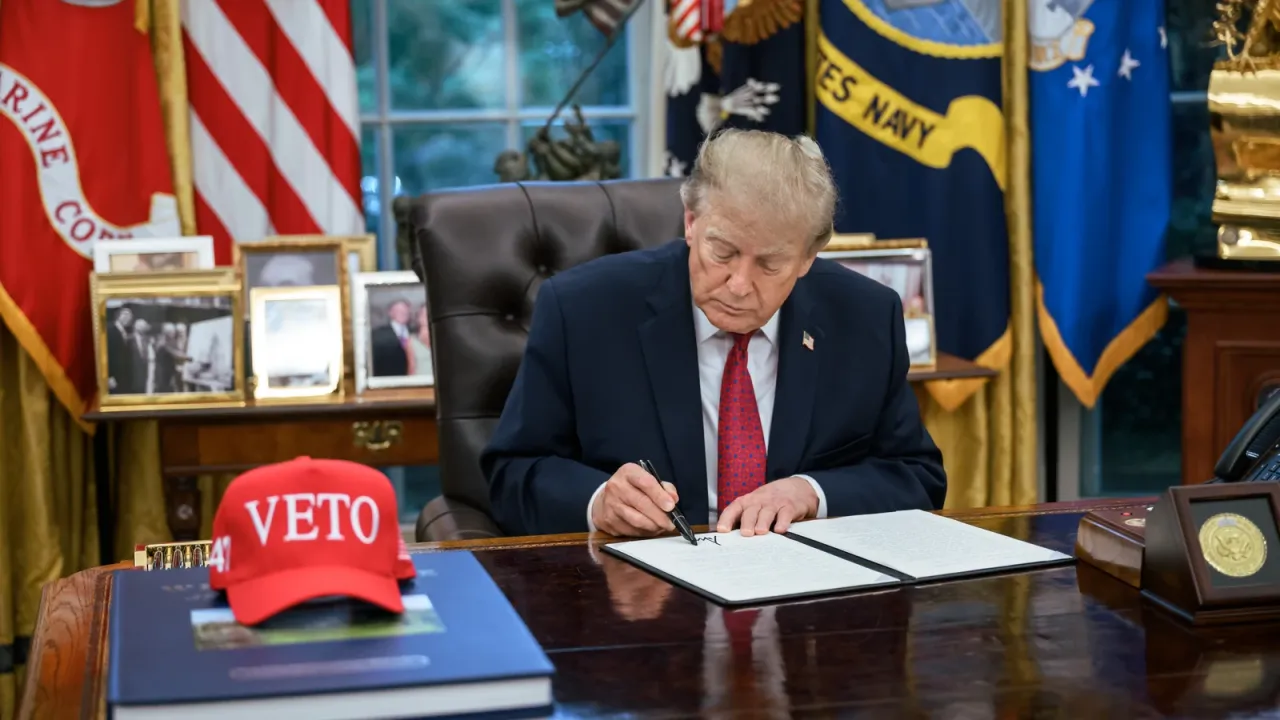
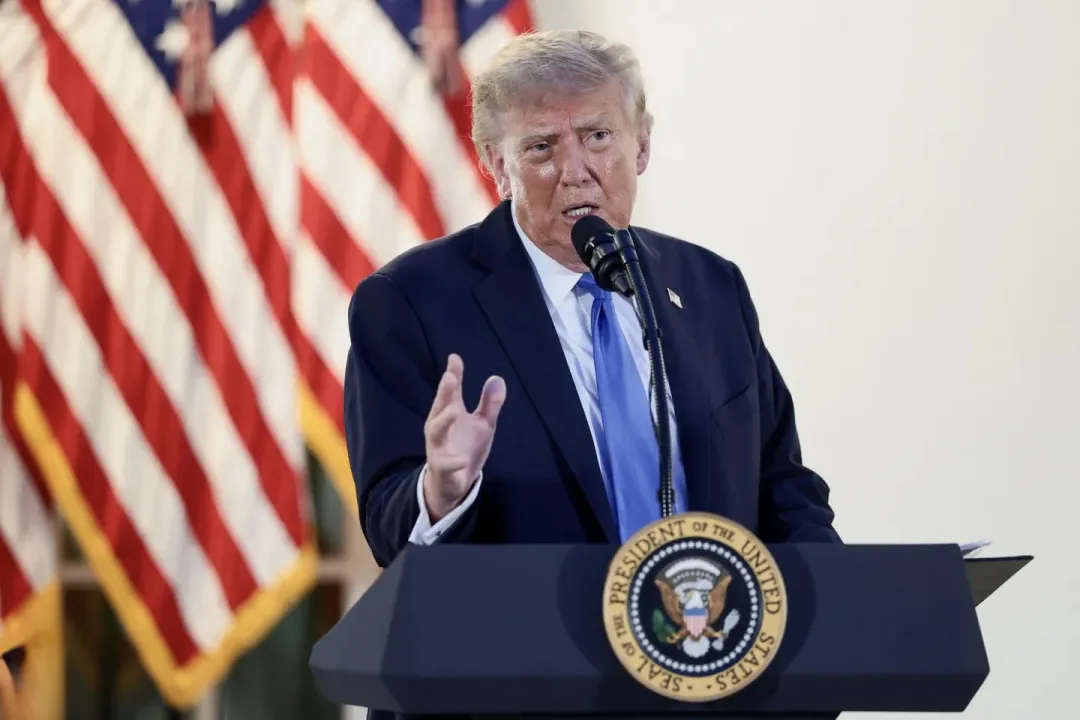
The White House and President Trump said on Sunday evening that they had held a phone call addressing Iran, while Trump stated that the United States could destroy what remains of Iran's nuclear sites within ten minutes, describing Tehran as "unreliable" but also indicating interest in reaching an agreement and saying the talks are going well.
In Tehran, Iranian reports quoted the Secretary of the Supreme National Security Council, Major General Mohsen Rezaee, and the Chief of Staff of the Armed Forces, Major General Ali Abdullahian, as stressing the continued strengthening of defensive capabilities, monitoring corresponding military movements and updating what they described as a "target bank," and warning that Iran will not wait for an attack to respond to any hostile move.
Rezaee said that a decision to change the nuclear doctrine has not been made yet but could be put up for discussion in the event of a new war, warning of the consequences of continued threats and attacks on nuclear facilities, and stressing that Iran's nuclear rights and its interests in the Strait of Hormuz are not subject to political compromise.
Rezaee added that he has not yet replied to a message from US Vice President J.D. Vance, affirmed that pursuing the diplomatic track does not conflict with maintaining defensive readiness, and called for foreign forces to leave the region and for security responsibilities to be handed to their own countries, considering the quadrilateral meeting between Iran, Pakistan, Turkey and Saudi Arabia in Tehran an opportunity to discuss future security arrangements.
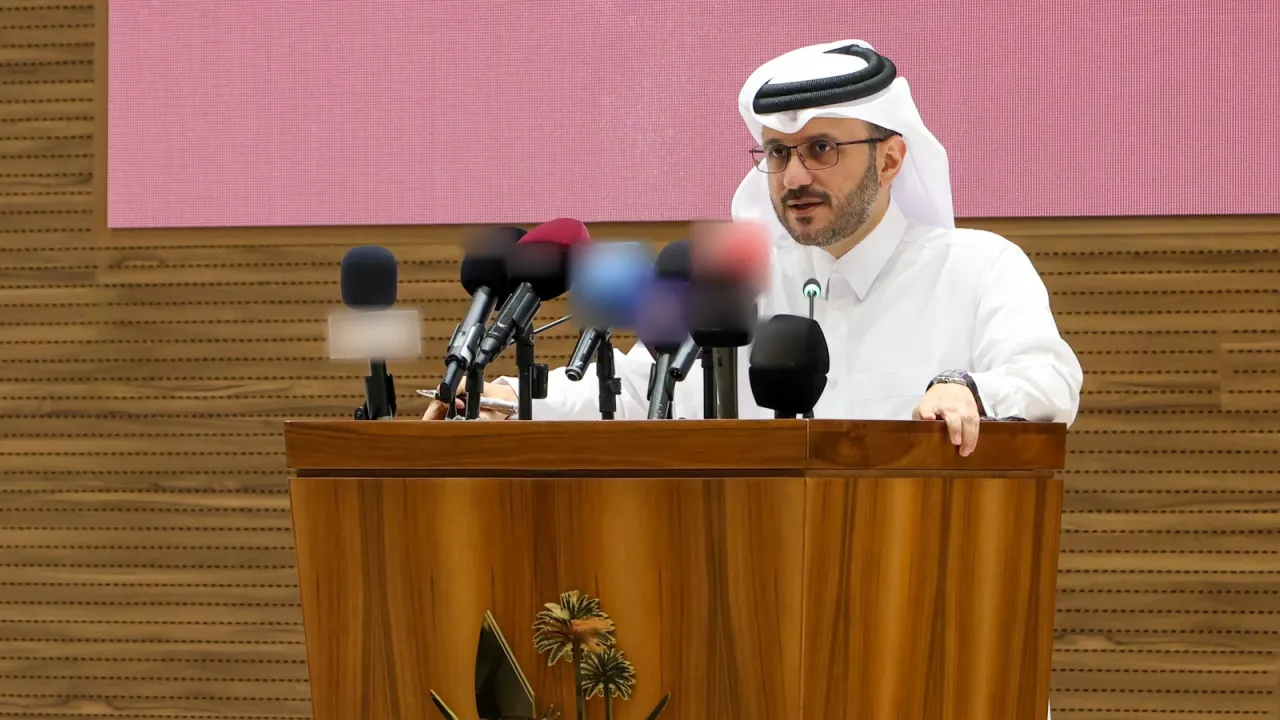
For his part, Iranian Foreign Minister Abbas Araghchi said the negotiations show progress but have not reached a final outcome yet, noting ongoing consultations with the Qatari mediator and expressing hope that the other side will act reasonably.
On the direct fighting front, the United States and Israel, according to reports, began striking targets inside Iran on February 28, 2026, and Tehran responded with similar attacks. In mid-June the two sides reached a memorandum of understanding to halt hostilities, before exchanging strikes again later, and the conflict remains unresolved.
The escalation has brought navigation through the Strait of Hormuz— a key route for supplies of oil, petroleum products and liquefied natural gas to global markets—near a standstill, leaving effects on energy markets and fuel prices.