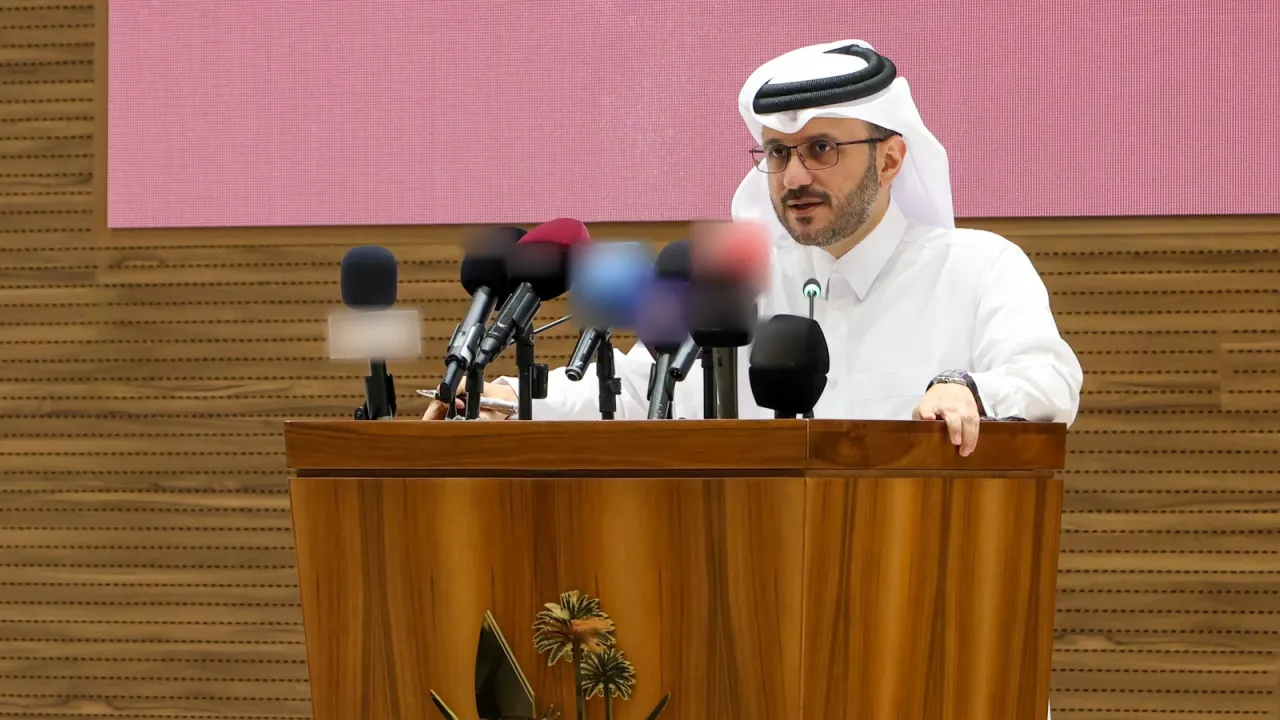
International regulatory bodies warn of possibility of Chernobyl-like nuclear accident in Ukraine this winter
Thirty-eight nuclear safety authorities issued a statement warning of rising risk of a nuclear accident in Ukraine this winter, calling for an end to attacks on facilities and energy infrastructure.
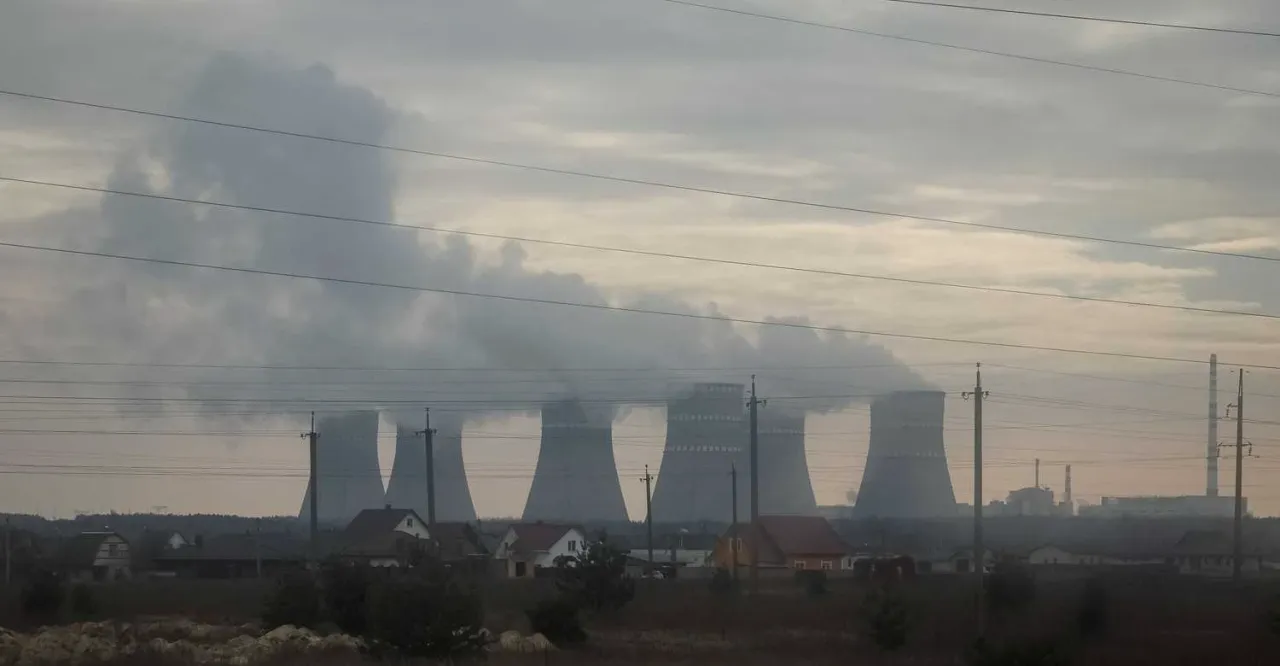
Three associations and regulatory bodies concerned with safety and radiation in Europe, America and Asia issued a joint statement on Monday expressing deep concern about increasing risks to nuclear safety in Ukraine as winter approaches.
The bodies said that continued attacks on Ukraine's energy infrastructure could lead to a sustained loss of power from the grid, exposing nuclear power reactors to increasing difficulties in cooling nuclear fuel, thereby raising the risk of a nuclear meltdown and the release of radioactive materials.
In their statement the bodies said Russia must stop attacks on nuclear facilities and the energy infrastructure needed to operate them safely, and warned that a major nuclear accident could be similar to the 1986 Chernobyl accident in terms of radioactive release.
The bodies said the warning was issued by the Association of Heads of European Radiation Protection Authorities, the Association of Western European Nuclear Regulatory Authorities, and the Association of Heads of Radiation Safety Authorities in the Nordic countries, noting that the associations together represent 38 countries including all EU countries and the United States, Britain, Canada and Japan.
In an interview with Reuters, Bir Strand, who is head of two of these associations, said Russian attacks have become more deadly in recent weeks with the use of drones carrying larger payloads and with higher targeting accuracy.
Strand warned that the worst-case scenarios involve a nationwide collapse of Ukraine's power grid, which could simultaneously affect the nine reactors operating in Ukraine, stressing that the failure of all these reactors combined with the potential for radioactive release would constitute an extremely dangerous situation.
He emphasized the need for immediate steps to put pressure on Russia to stop its attacks, adding that if those efforts do not succeed, European countries must coordinate and prepare for emergencies to deal with the potential consequences of any nuclear accident.
Meanwhile, Moscow has stepped up its attacks with missiles and drones on energy facilities, transmission lines and substations in Ukraine, while the country's power grid has suffered major damage as a result of the war that has been going on for about five years.