OPEC+ delays production capacity review for 2027 quotas amid US‑Israeli war on Iran
OPEC+ has postponed a review of production capacities that was scheduled to determine 2027 quotas after expansion projects across the region were disrupted by escalation in the Middle East; the review had been due to be completed by the end of September 2026.
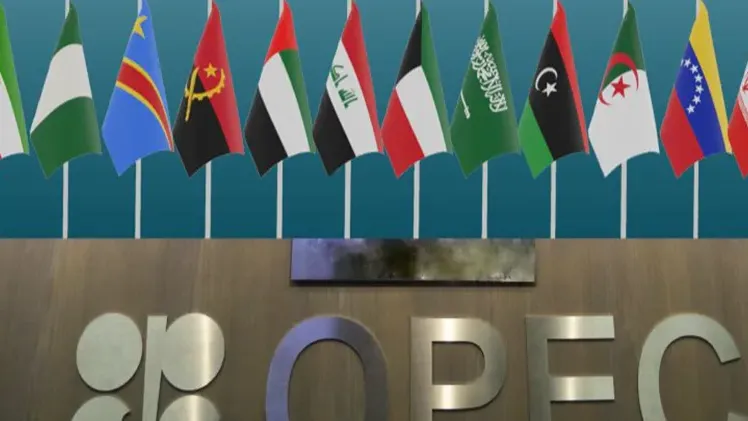
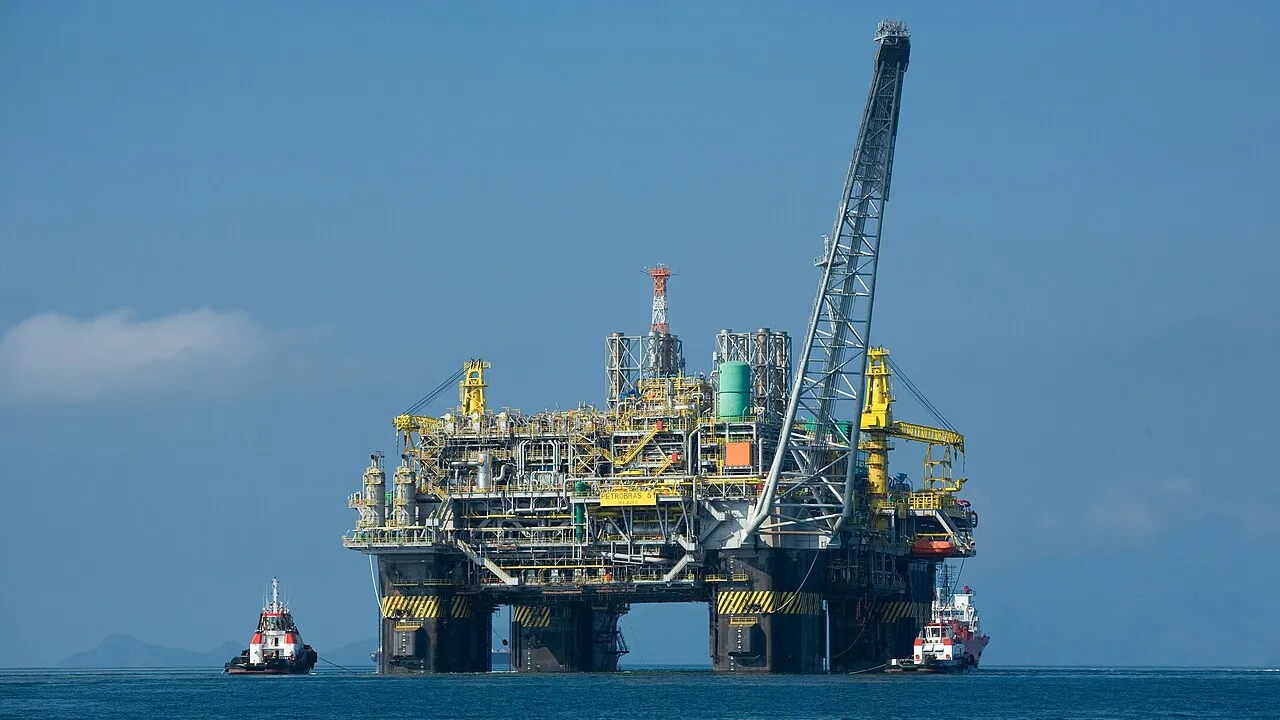
The OPEC+ alliance has postponed a review of oil production capacities intended to set each member's quota for 2027, due to the US‑Israeli war on Iran, which has disrupted projects to expand production capacity across the Middle East.
OPEC+, which includes member countries of the Organization of the Petroleum Exporting Countries (OPEC) and allies such as Russia, had tasked all its members with carrying out a review of their production capacities in late 2025 before setting the 2027 quotas, with the process due to be completed by the end of September 2026.
The postponement has affected the work schedule because the crisis in the Middle East has delayed projects that were expected to increase production capacity in some of the alliance's countries, making it more difficult to estimate the volumes those countries will be able to pump.
The review is intended to provide an updated, independent assessment of each country's sustainable production capacity, a key benchmark on which negotiations over production targets and quotas are based. The effects of delays to capacity‑boosting projects could change the assumptions used in those assessments, and therefore could affect members' future quotas.
If it turns out that a country's production capacity is lower than previously estimated, it could face pressure to reduce its quota, while countries whose capacity has increased may seek larger shares.
The UAE had previously demanded a larger production share within the alliance to reflect its increased capacity, before withdrawing from OPEC last May. Iraq also sought a larger share and considered the idea of leaving OPEC.