Pakistan offers its ports as trade gateways to Central Asia, calls for diversification of global supply routes
The Pakistani Transport Minister emphasized the importance of enhancing regional connectivity at a UN conference in Bangkok, revealing railway and highway projects to link Central Asia to global markets.
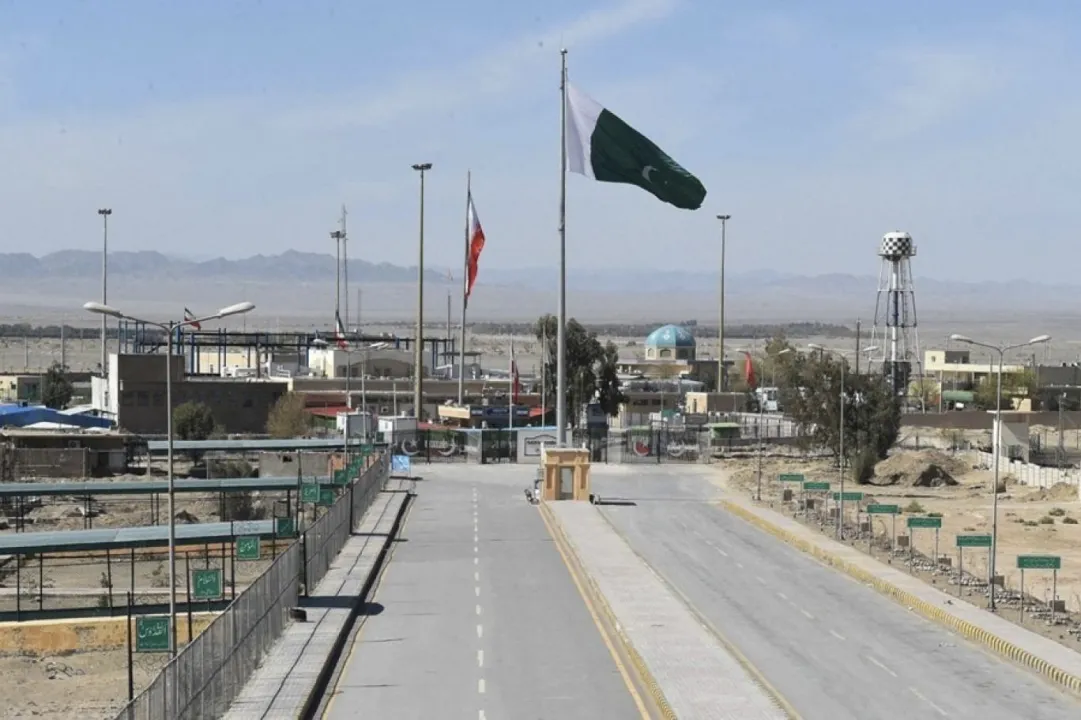
Pakistan seeks to strengthen its role as a regional connectivity hub by diversifying international trade corridors, offering its Arabian Sea ports to serve as vital gateways for landlocked Central Asian countries. This aim is intended to ensure the stability of global supply chains and reduce reliance on specific routes or nations.
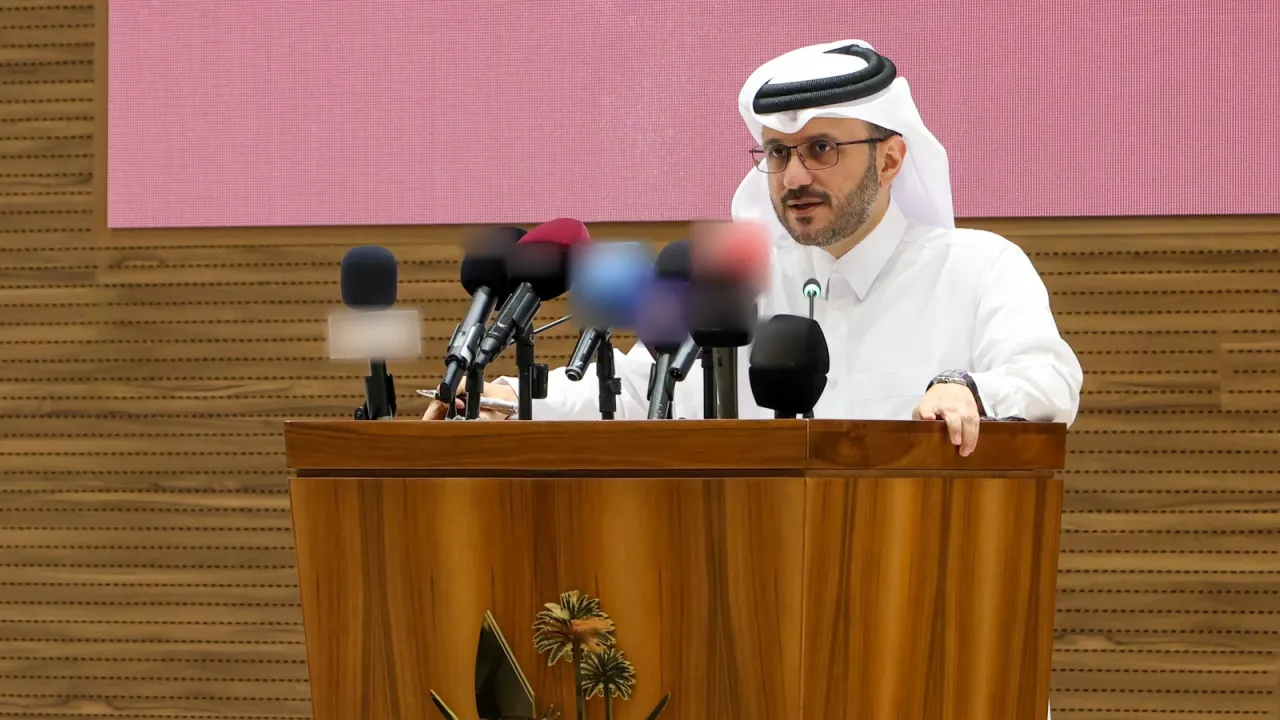
In this context, Pakistani Transport Minister Abdul Aleem Khan emphasized during his participation in the UN Ministerial Conference on Transport held in Bangkok that unstable global conditions necessitate removing barriers to the movement of goods, people, and services, and enhancing inter-regional connectivity. In a speech delivered via video link, Khan noted that the conference, organized by the United Nations Economic and Social Commission for Asia and the Pacific (ESCAP) from November 17 to 20, serves as a platform to discuss these challenges.
The Minister reviewed his country's geographical potential, explaining that Pakistan has the capacity to link South Asia, Central Asia, China, and the Middle East through the ports of Karachi, Qasim, and Gwadar, which can provide maritime access to landlocked countries in Central Asia.
Khan touched upon several regional transport projects, noting ongoing cooperation in the railway project connecting Kazakhstan, Turkmenistan, and Afghanistan to Pakistan, in addition to progress made in feasibility studies for the railway line linking Uzbekistan, Afghanistan, and Pakistan. In the road sector, he highlighted efforts to develop links with China via the Karakoram Highway and projects related to the China-Pakistan Economic Corridor (CPEC), revealing that funding has been secured from the OPEC Fund for International Development and the Islamic Development Bank to develop three sections of the M-6 motorway, without disclosing the financial value of the funding.
Regarding border facilitation, the Minister explained that Pakistan is working on digitizing trade and modernizing the facilities at the Chaman and Torkham border crossings with Afghanistan as part of the Central Asian Regional Economic Cooperation program. He expects that modern technologies, scanning devices, and electronic gates will contribute to reducing customs clearance time by 65 percent. Furthermore, the measures aim to facilitate passenger transit to reduce transaction time by up to 90 percent, emphasizing that developing a safe and sustainable transport network is a priority to enhance the ability of regional economies to withstand disruptions.