Rubio warns of widening confrontation after attacks on Saudi Arabia launched from Iraq and Yemen
Marco Rubio said in Paris that Saudi Arabia had been attacked from Iraqi territory by Iran-backed armed factions as well as by Houthi forces from Yemen, warning of the risk of the conflict spreading and of threats to the protection of U.S. diplomats and their families.
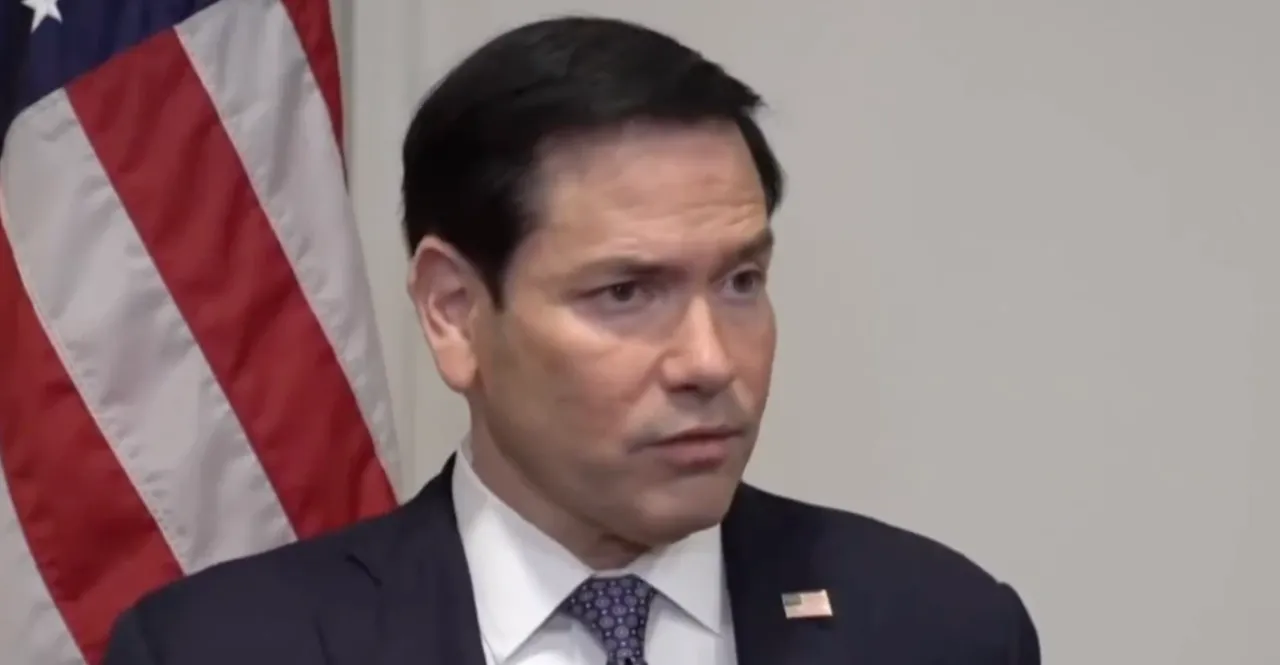
U.S. Secretary of State Marco Rubio said on Tuesday in Paris that Saudi Arabia was subjected to attacks that originated in Iraqi territory and were carried out by Iran-backed armed factions, in addition to attacks launched by the Houthis from Yemen, warning of the possibility of a widening regional conflict and of endangering American diplomats and their families.
The remarks came during a press conference he held after meetings of G7 foreign ministers, in response to a question about the threats facing U.S. diplomats abroad and the security measures taken to protect them.
Rubio made clear that U.S. concerns are not limited to Iran alone, but include the escalation of confrontations between the Houthis and Saudi Arabia, with the potential for them to worsen at any moment.
He added that Saudi Arabia was not only attacked from Yemen, but also experienced attacks that originated in Iraq and were carried out by Iran-backed armed factions.
He said Washington does not assess risks based only on current developments, but takes into account the possibility of the confrontations spreading to other countries, warning that airport closures as a result of escalation could complicate evacuation operations for U.S. staff and their families.
He affirmed that the United States has already taken measures to move some of its personnel away from sources of threat, and that those decisions were based on security assessments that included the safety of diplomatic facilities, the numbers of staff and families, and the ability to relocate them should conditions deteriorate.
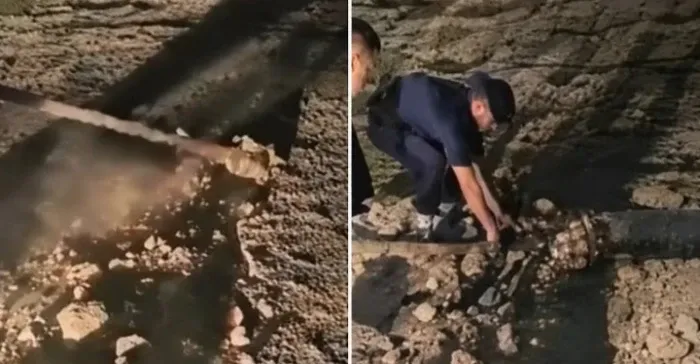
As background, Saudi Arabia had announced last September that the East–West oil pipeline had been attacked by drones launched from Iraqi territory, a matter Baghdad later confirmed without announcing final results identifying the perpetrators.
In September, Rubio had accused in remarks to a television network the Iraqi Kata'ib Hezbollah of carrying out attacks on Saudi Arabia that disrupted a major oil pipeline.
The new U.S. warning comes after an attack claimed by the Houthis on Sunday targeting the Saudi capital Riyadh, which caused limited damage to an Aramco office building with no casualties reported, according to Saudi authorities.
Separately, Rubio said the military strikes Iran suffered inflicted major damage on its military infrastructure, arguing that its capabilities have sharply declined compared with a year ago.
He was quoted as saying that Iran "no longer has a navy or an air force, and its military capabilities have severely deteriorated," while noting at the same time that Tehran still retains some military capabilities.
Regarding French authorities' accusations that the Islamic Revolutionary Guard Corps was behind cyberattacks targeting refrigeration systems in hundreds of French stores and facilities, Rubio said these accusations do not surprise Washington, accusing the Revolutionary Guard of engaging in terrorism and sabotage around the world.
He added that the United States has imposed sanctions on the Revolutionary Guard and designated it a terrorist organization because of its activities, criticizing Iran's leadership while emphasizing the distinction between the Iranian people and the ruling authorities.
On U.S.-Israeli relations, Rubio revealed that negotiations are ongoing over a new military memorandum of understanding, explaining that President Donald Trump wants to end direct U.S. military funding to Israel as soon as possible and move to arrangements based on arms purchases and joint production, noting that the timeline is still under negotiation.
On Lebanon, Rubio said he discussed with French President Emmanuel Macron the future of security arrangements after the end of the United Nations Interim Force in Lebanon (UNIFIL) mission, and the need to establish a reliable mechanism to verify implementation of agreements related to areas the Israeli army withdraws from and the Lebanese army assumes control of.
He explained that the proposed monitoring mechanism could be civilian rather than necessarily military, and that its details are still under discussion, with any new arrangements requiring approval by both the Lebanese and Israeli sides.