Saudi Cabinet Approves Consumer Protection Law and Calls to Halt Threats to Navigation in the Red Sea and Hormuz
The Saudi Cabinet, chaired by Mohammed bin Salman, approved a Consumer Protection Law and urged an immediate end to actions threatening navigation in the Red Sea, Bab al-Mandeb and Hormuz; it also authorized talks on a digital infrastructure agreement with Jordan and Syria.
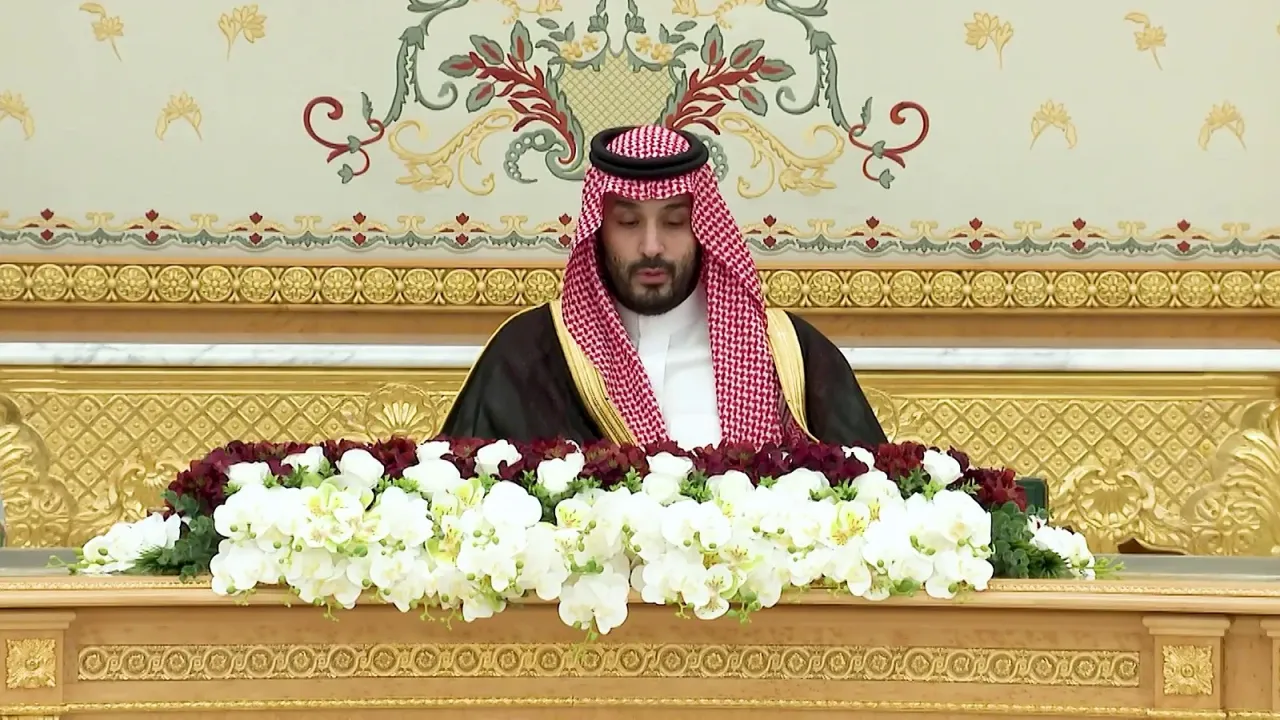
The Saudi Cabinet, in its weekly session held today, Tuesday 10 November 2026, in Riyadh and chaired by Crown Prince and Prime Minister Mohammed bin Salman, approved the Consumer Protection Law as part of a package of decisions that included agreements and memoranda of understanding with a number of countries.
At the start of the session, the Crown Prince briefed the Council on the outcomes of his talks with the King of Bahrain, Hamad bin Isa Al Khalifa, who visited Riyadh today, and with Syrian President Ahmed al-Shara, in addition to a message he received from the President of Sierra Leone, Julius Maada Bio, and two phone calls with Canadian Prime Minister Mark Carney and Greek Prime Minister Kyriakos Mitsotakis.
Call to stop threats to navigation in Bab al-Mandeb and Hormuz
Following its review of developments in the region and the world, the Council reiterated the Kingdom's support for efforts aimed at achieving security and stability at the regional and international levels, stressing the necessity of an immediate halt to all actions that threaten the safety of maritime navigation and waterways in the Red Sea and the straits of Bab al-Mandeb and Hormuz.
The Council noted the signing of the general agreement to link the Gulf Cooperation Council countries to the railway project, and the pursuit of strategic cooperation and economic and developmental integration among the Council states.
Digital agreement with Jordan and Syria and oil cooperation with Korea
The Council authorized the Minister of Communications and Information Technology to negotiate with the Jordanian and Syrian sides and to sign a draft trilateral cooperation agreement in the field of communications and digital infrastructure. It also approved a memorandum of understanding with South Korea for cooperation in oil and gas, and another with Turkey for cooperation in railways.
The decisions also included approval of an agreement with Portugal for reciprocal visa exemptions for holders of diplomatic and special passports, authorization to sign an agreement with Bangladesh to encourage and protect investments, and talks with Cyprus on a memorandum of understanding for cooperation in maritime affairs.
Exemption of sponsored students' vehicles from customs duties
On the domestic front, the Council decided that the state will cover customs duties and value-added tax imposed on the import of vehicles belonging to scholarship students and government employees performing official duties abroad and their adult accompanying family members, and that they will be exempt from the fee for importing the vehicle in accordance with controls set by the competent authorities.
The Council also praised the content of the speech by the Saudi monarch, Salman bin Abdulaziz, at the opening of the sixth Hajj Conference and Exhibition, including the expansion of the direct Hajj program to include 133 countries.
Also read: Saudi Cabinet rejects threats to navigation and approves the national space policy