Sulaymaniyah Concludes 4th International Cancer Conference with Nine Recommendations to Strengthen Prevention and Diagnosis
The 4th International Cancer Conference in Sulaymaniyah ended after three days with more than 800 participants and nine scientific and health recommendations, including a national registry and expanded early screening programs.
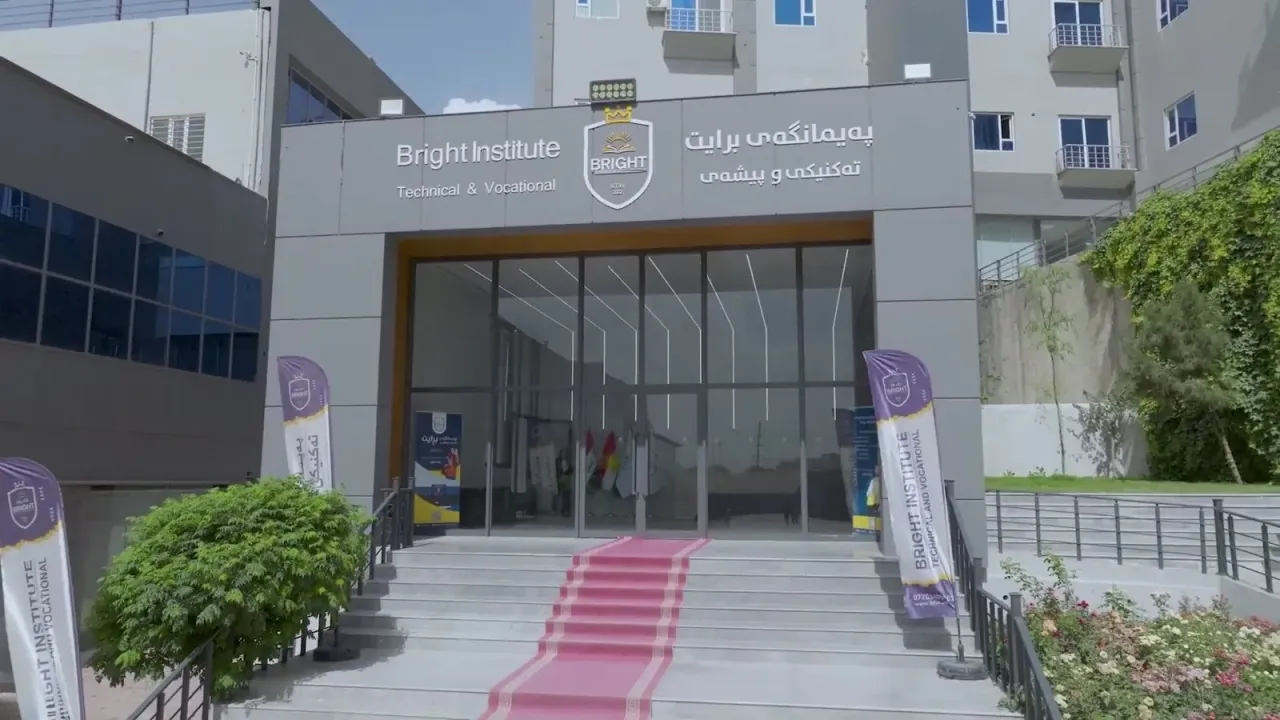
The city of Sulaymaniyah concluded, today Thursday, the work of the 4th International Cancer Conference, which was held over three days and was attended by researchers, academics, students and specialists from inside and outside Iraq.
The dean of the Bright Institute, Muhammad Rasul, said the conference, held under the slogan "A Better Future for Cancer Treatment... Let's Build Together," took place from 17 to 19 November 2026, coinciding with the annual founding week of the city of Sulaymaniyah.
He added that the events featured 240 scientific presentations with the contribution of 22 researchers and speakers, and that the number of participants exceeded 800 people, including more than 500 students and more than 300 academics and professors who represented Iraq, Italy, Norway and Iran.
He explained that the conference was organized through a partnership between the International Centre for Theoretical Physics (ICTP), Jarmo University, the Bright Institute and an international foundation specializing in cancer, with support from the International Atomic Energy Agency, UNESCO and Cantizaro Hospital in Italy.
Rasul said the scientific program included multiple tracks covering nuclear medicine, radiotherapy, medical physics, genetics and cancer-related biology, alongside early diagnosis, technology and artificial intelligence applications, and the sessions featured exchanges of expertise and discussions on the latest ways to improve treatment outcomes.
He reported that the conference issued nine key recommendations, among them establishing an integrated national registry for cancer patients, expanding early-detection programs—particularly for breast and cervical cancers—and intensifying awareness campaigns about the importance of early screening.
The recommendations also called for conducting genetic tests before using some types of chemotherapy to reduce their complications and side effects, updating nuclear medicine and radiotherapy services and introducing modern techniques, as well as leveraging artificial intelligence applications in diagnosis and treatment while ensuring the protection of patient data.
The guidance also included expanding research partnerships with international institutions and sustaining training and professional development programs for doctors and healthcare workers, forming multidisciplinary medical teams within hospitals to unify treatment decisions, and encouraging the participation of students and young researchers in cancer-focused studies.
The dean of the Bright Institute concluded by saying that holding the conference annually is necessary as a platform for knowledge exchange and for strengthening cooperation between medical and research institutions in the Kurdistan Region and their international counterparts.