Researcher warns about study estimates: super El Niño could cause about 451,000 deaths
The Climate Impact Lab at the University of Chicago estimated that a super El Niño could cause about 451,000 deaths over the coming years, while scientist Darya Gushchina expressed reservations about directly attributing every death to the phenomenon.
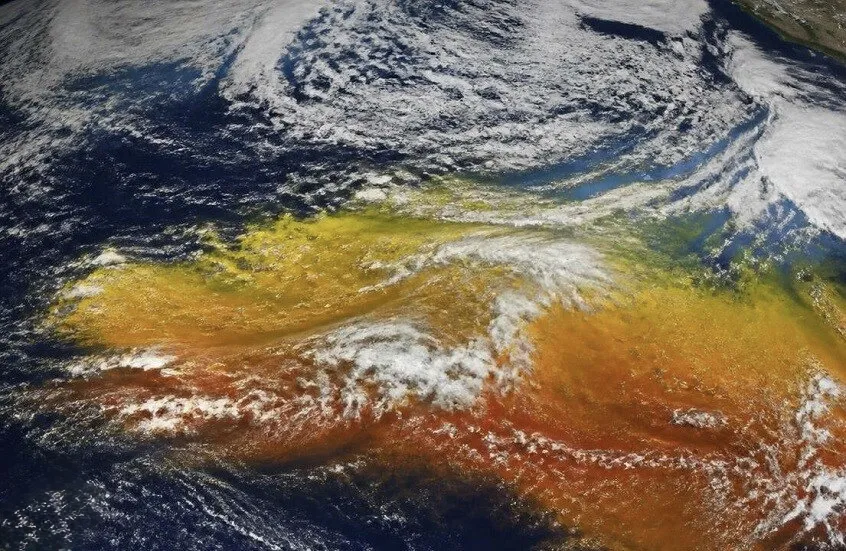
A research project by the Climate Impact Lab at the University of Chicago estimated that a super El Niño could result in about 451,000 deaths over the coming years, due to heatwaves, droughts, heavy rains and floods linked to climate variability.
El Niño is known for an unusual rise in sea surface temperatures in the central and eastern Pacific, and it affects weather patterns globally. The phenomenon is described as a "super El Niño" when the increase in water temperature exceeds a threshold of two degrees Celsius; in mid-October temperatures in the central and eastern Pacific exceeded 3.3 degrees Celsius, surpassing the super El Niño level.
The researchers said potential impacts include an unusually warm winter with little snowfall in the European part of Russia, an increase in hazardous weather due to sharp temperature swings, as well as heatwaves, droughts, heavy rains and floods that could contribute to higher casualty numbers.
Scientist Darya Gushchina expressed reservations about the figures, saying she did not know their source precisely and noting the difficulty of proving a direct link between a specific death and rising temperatures. Gushchina cited isolated events such as wildfires in Indonesia that killed more than 5,000 people and floods in the Galápagos Islands that were severe enough for seals to appear in the streets, and she referred to hundreds of deaths in South America from heavy rains and rising water levels. She stressed that counting El Niño–related deaths should be based on conclusive evidence of a connection to the phenomenon.
Gushchina added that El Niño is a periodic climate event that typically recurs every two to seven years, and that technological advances have improved humanity’s ability to mitigate damage through forecasting and early-warning systems, evacuation measures and wildfire suppression, making adaptation strategies better than they were in the last century.
The scientist also pointed out that Russia is facing an overlap of several climatic influences; while there is a link between a strong El Niño and higher winter temperatures in Eurasia, other climate processes affect the region as well, including a sudden stratospheric warming recorded in November that could recur during the current winter.