Talabani rejects Barzani's invitation to dialogue, calls it not serious
Bafel Jalal Talabani responded for the first time to Masoud Barzani's invitation to dialogue, saying that issuing invitations through the media does not reflect seriousness, while the two parties continue their dispute over the Kurdistan Parliament session.
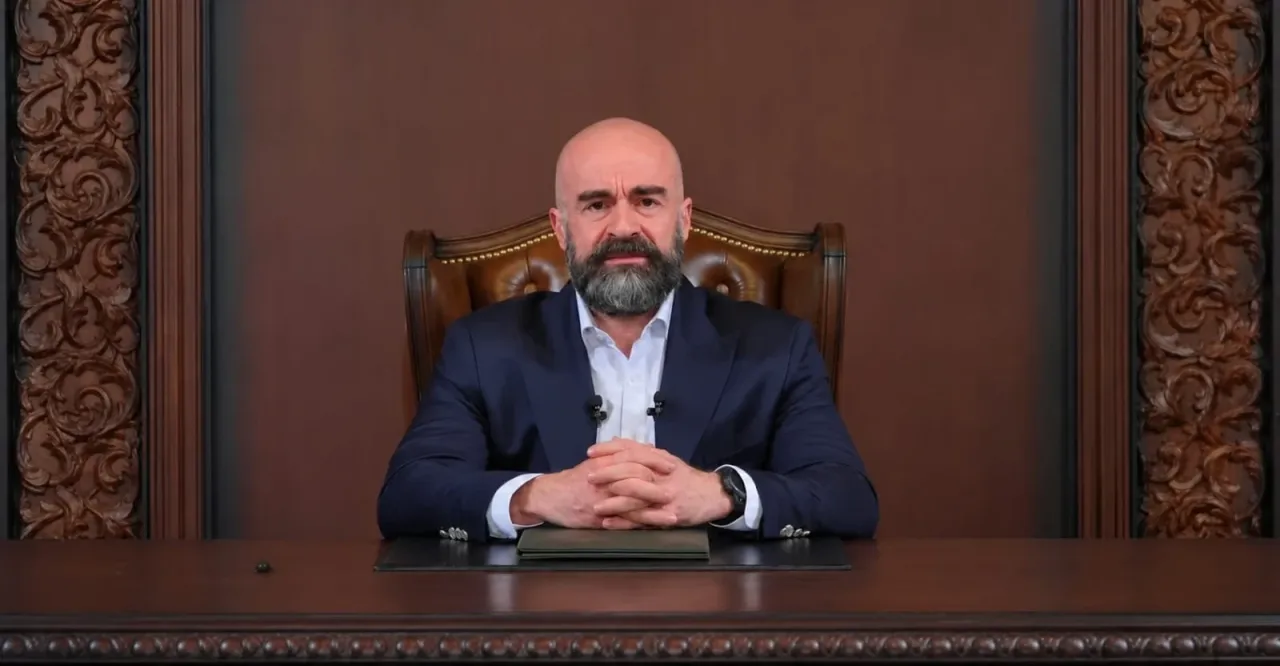
On Thursday, the leader of the Patriotic Union of Kurdistan, Bafel Jalal Talabani, responded for the first time to an invitation from the leader of the Kurdistan Democratic Party, Masoud Barzani, to sit at the table of dialogue to end the political crisis in the region, and said the message was not serious because invitations to dialogue are not made through the media.
Talabani ruled out that what was published in the media expressed a sincere desire for understanding, and said these statements could later be used as a pretext for future steps allowing others to claim they had invited dialogue but the other side did not respond.
Masoud Barzani had on November 9 called on the Patriotic Union of Kurdistan to sit with the Democratic Party to resolve differences and form a broad-based national government that meets citizens' demands, and expressed his desire to include other political forces in the political process.
Barzani's invitation came amid escalating disputes between the two parties after a Kurdistan Parliament session was held on November 4 with 52 deputies present, which saw the election of the parliament's presidium — a step its supporters regarded as a legal and constitutional measure to break the political deadlock.
The Patriotic Union of Kurdistan refused to recognize the legitimacy of that session and its outcomes, describing it as illegal and one-sided, arguing that it was convened outside political consensus.
Talabani had announced in a televised speech on November 5 that his party had made great efforts to form a new inclusive government, noting that his visits to Erbil exceeded fifteen times and his talks with various parties had not yielded results.
Talabani's remarks reflect the continuing intensity of the disputes between the two main parties in the Kurdistan Region, the ongoing political deadlock, and the stalled efforts to form a new government.