Technology in 2026: Artificial Intelligence, Robotics and Smart Energy
Technology in 2026: Artificial Intelligence, Robotics and Smart Energy
The year 2026 is seeing a clear acceleration in the penetration of technology into everyday life, from phones and digital services to factories, hospitals and the energy sector. Development is no longer limited to newer devices or faster apps; it now depends on the convergence of multiple fields — such as artificial intelligence, robotics, advanced materials, energy and computing — to find solutions for real problems.
Artificial intelligence moves into task execution
AI continues to dominate the scene, with attention shifting from tools that answer questions or generate text and images to systems that can plan multiple steps and carry out some tasks using software and digital tools. These systems may help organize work, analyze data, serve customers, and speed up administrative tasks, while human review of results remains necessary, especially for sensitive decisions.
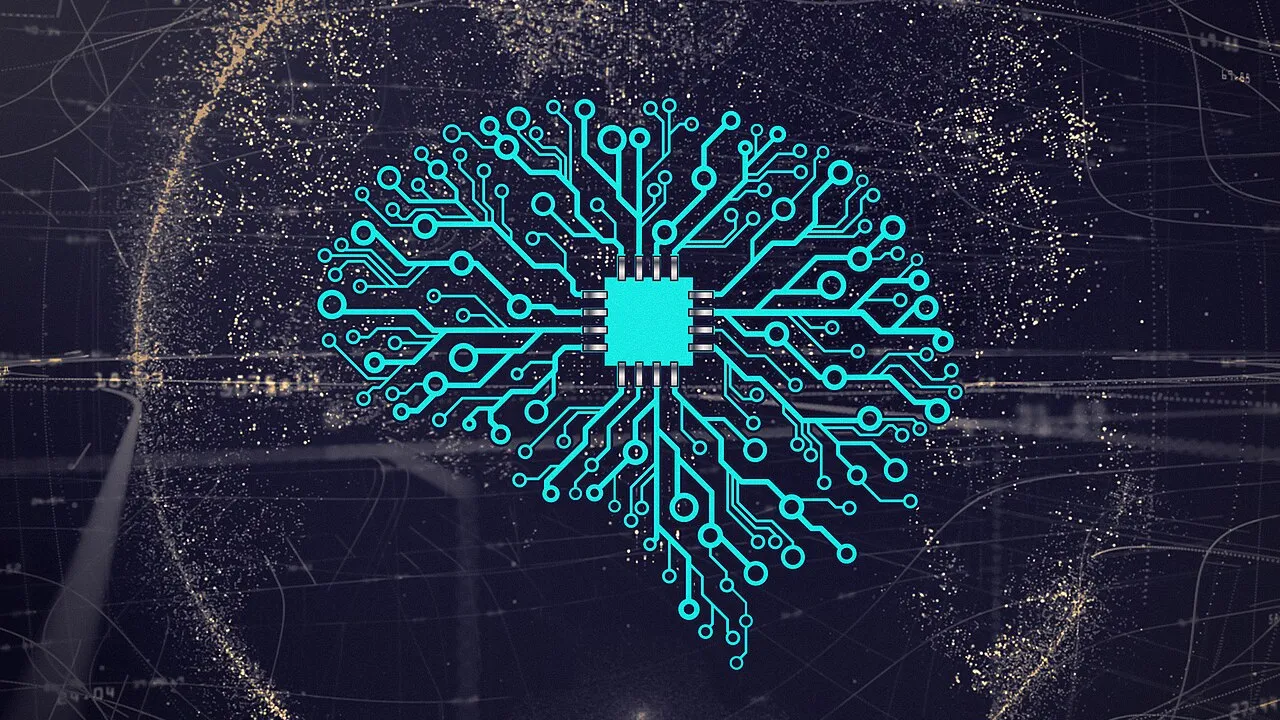
AI is also used in scientific research and medicine, where it can help researchers analyze large volumes of data and support the study of drugs and diseases. The World Economic Forum's 2026 report on emerging technologies points to the growth of technologies that combine AI with fields such as healthcare, computing and energy.
Robots increasingly capable of work
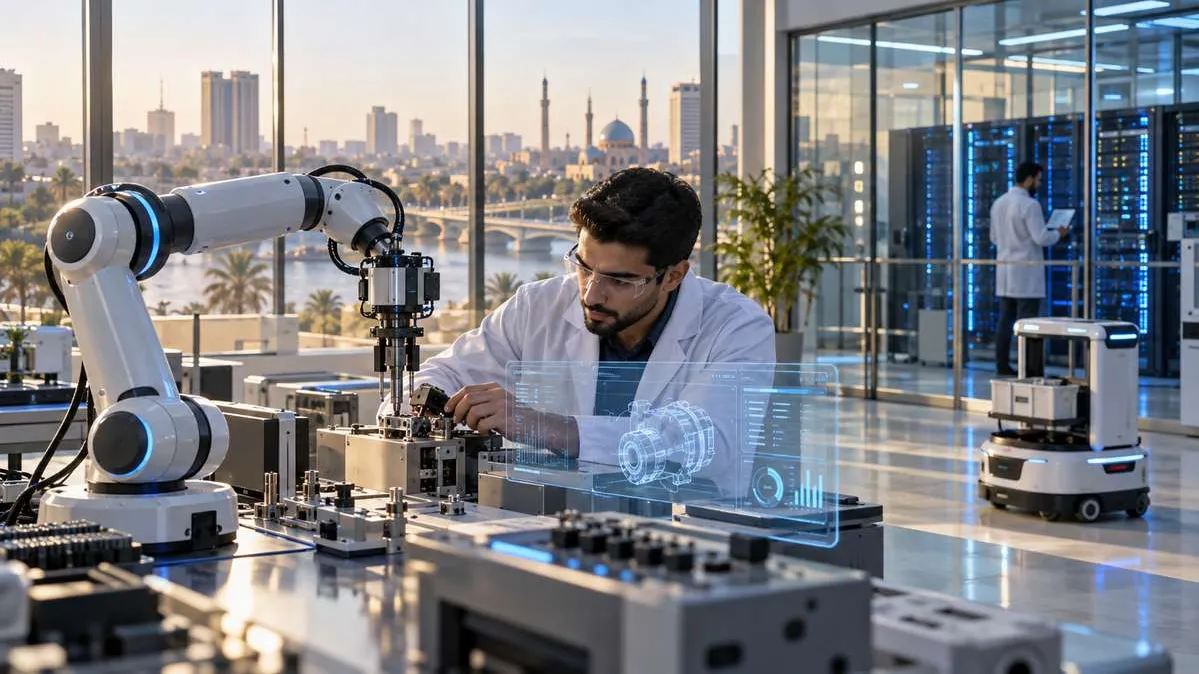
Robots are evolving to perform a growing range of tasks in factories, warehouses and logistics operations, such as moving materials and assisting workers with repetitive or high-precision tasks. The integration of robots with AI systems is important because it gives them a better ability to understand their environment and respond to changes.
But the spread of robots in homes and public places remains uneven; some uses have become practical, while other applications still face challenges related to cost, safety and the ability to handle unexpected situations.
Digital health and smart devices
Digital technologies are expanding in the health sector through wearable devices, remote consultations and systems for analyzing medical images and data. These tools can help monitor health indicators and make information more accessible to specialists, but they do not replace a doctor or in-person medical examination when needed.
The success of these technologies depends on data accuracy, protecting patient privacy, and keeping medical decisions under the supervision of qualified professionals.
Energy and rising electricity demand
Digital development is also linked to increased electricity needs, especially as data centers that power AI services and cloud computing expand. The International Energy Agency expects global electricity demand to rise during the period from 2026 to 2030, driven by factors including industry, electric vehicles and data centers.
For this reason, countries and companies are moving to improve energy efficiency, develop grids, expand renewable energy sources, and seek solutions to reduce the environmental impact of digital technologies.
Computing and communications: the foundation of modern services
Cloud computing and communications networks continue to expand the capabilities of digital services, from education and remote work to e-commerce and government services. At the same time, gaps remain between countries and communities in connection quality, cost and the availability of digital skills. The International Telecommunication Union's 2026 index confirms continued progress toward wider connectivity, while disparities persist in the ability to access and use the internet at adequate quality.
New opportunities and challenges that require management
Technological progress opens opportunities to improve productivity and create new jobs and services, but it raises important questions about data protection, cybersecurity, misinformation and the impact of automation on some occupations. Education and training become increasingly important as the skills demanded in the labor market change, so individuals can use new tools and benefit from them.
International reports indicate that current innovation often results from the convergence of multiple technological fields — such as AI, robotics, advanced materials and energy — rather than each field advancing in isolation.
What does this mean for Iraq?
This transformation gives Iraq opportunities to develop government services, education, health and business, and to improve data and energy management. That requires reliable communications infrastructure, digital training, support for local projects, and clear rules to protect privacy and combat online fraud.
In the end, technological progress is not measured only by the number of devices or apps, but by its ability to solve people's problems and make their lives easier in a safe and fair way. It appears that 2026 is accelerating this shift, while the benefits depend on good planning and keeping pace with change.