Trump ends methane limits on oil and gas, promises 210 million-barrel production boost
President Donald Trump announced at a Texas campaign rally the end of methane emission limits in the oil and gas sector, a move the administration says will save $45 billion and allow an additional 210 million barrels of production.
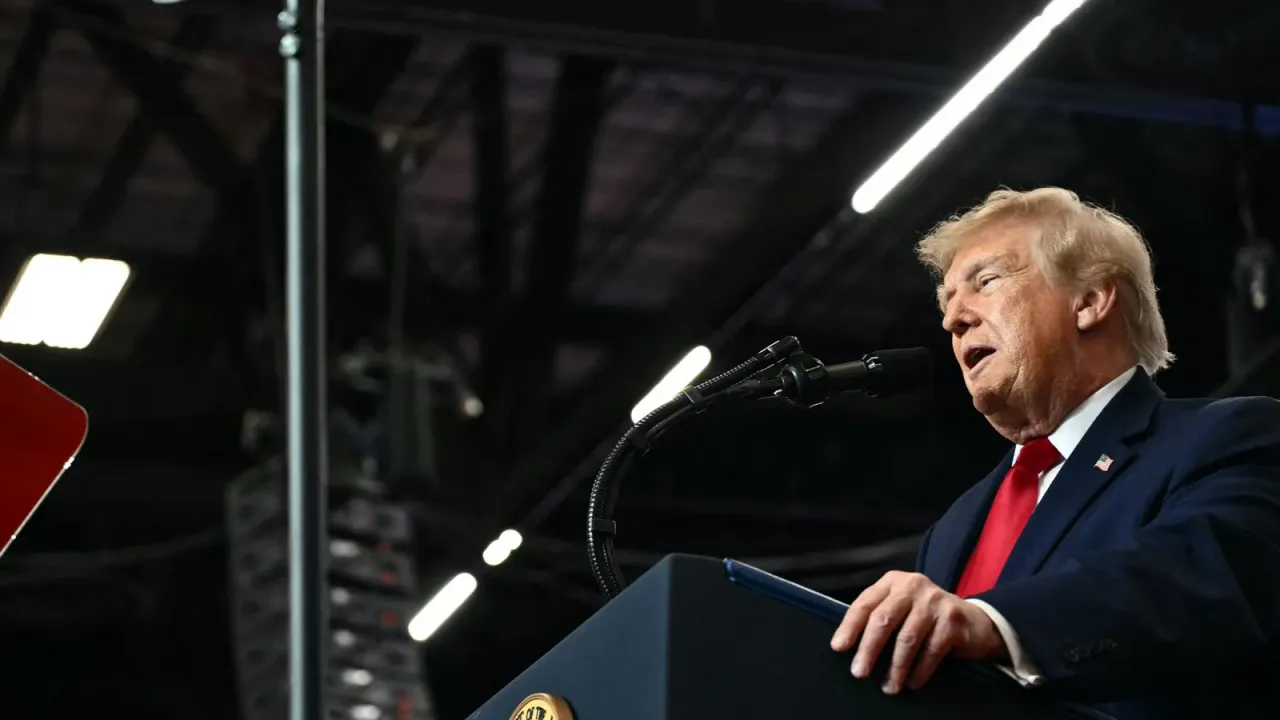
President Donald Trump announced that his administration is ending the rules imposed by the previous administration to limit methane emissions in the oil and gas sector, in a move aimed at encouraging drilling and domestic production as he faces criticism over rising fuel prices amid the war with Iran.
Announcement from a campaign stage in Texas
The announcement came on the evening of Tuesday, Oct. 27, during a campaign rally in Lubbock, Texas, as part of a tour in which Trump is supporting Republican Senate candidate Ken Paxton ahead of the midterm elections on Nov. 3.
Trump told his supporters that he is officially ending what he described as costly and unnecessary methane rules that purported to protect consumers and energy producers, adding that the move has been worked on for a long time with EPA Administrator Lee Zeldin.
45 billion dollars and 210 million barrels
The U.S. administration estimates the changes will save consumers and energy companies about $45 billion and will allow the production of an additional 210 million barrels of oil through 2050.
That figure is equivalent to roughly 10 days of U.S. oil consumption.
What will change for oil companies
According to the Environmental Protection Agency, the changes include canceling the 'large emitters' program that requires companies to investigate major methane leaks when detected, including via satellites.
They also include easing rules on low-producing marginal wells and loosening restrictions on flaring excess gas associated with oil production.
The agency had outlined these amendments earlier this month, saying it was responding to producers' complaints about the costs of the 2024 rules.
Regulatory process and potential legal challenges
The decision does not take effect immediately: the EPA must publish an official proposal that will be subject to a public comment period before final approval.
The decision is expected to face legal challenges from environmental organizations that criticized the rollback of these rules, which could delay its implementation.
Energy markets, including oil-producing countries in the region, will be watching any increase in U.S. production and its impact on prices in the coming period.