Al-Zaidi receives al-Amiri and al-Fayyadh at Baghdad Palace, stresses enhanced security coordination
A four-way meeting at the Government Palace in Baghdad lasted more than three hours to discuss security and political issues. Participants agreed to strengthen coordination among security agencies under the Commander-in-Chief’s guidance, and proposed giving parties a chance to reorganize while continuing a negotiating committee on the weapons file.
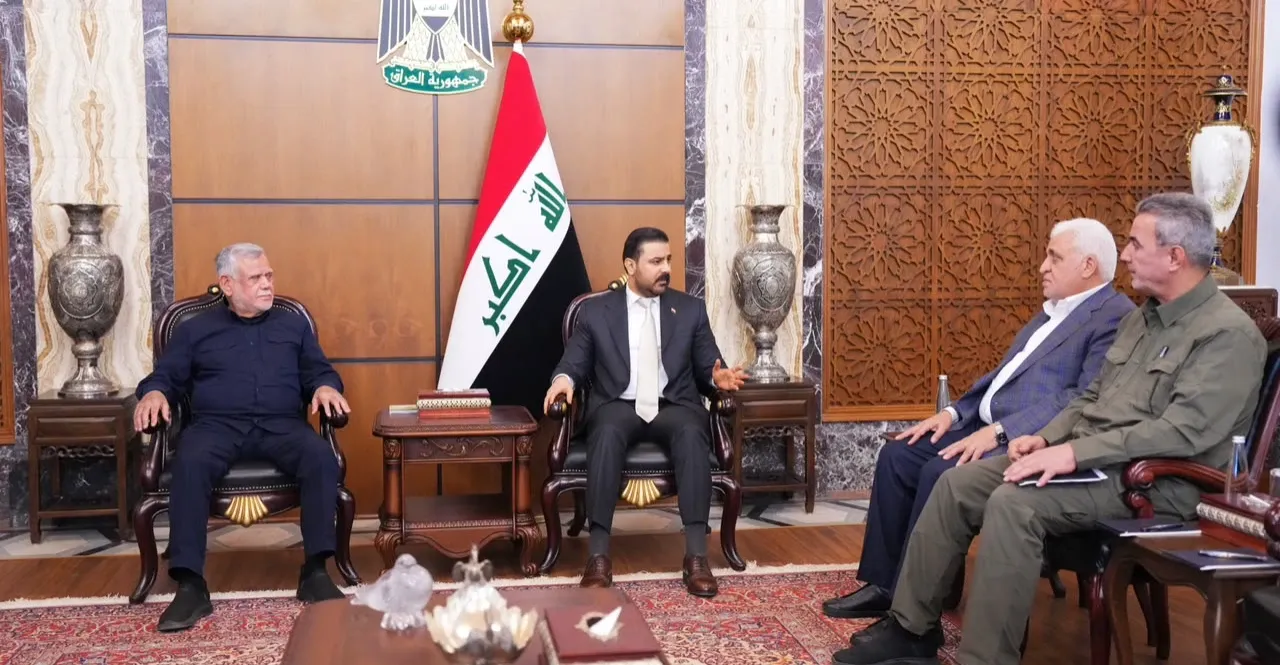
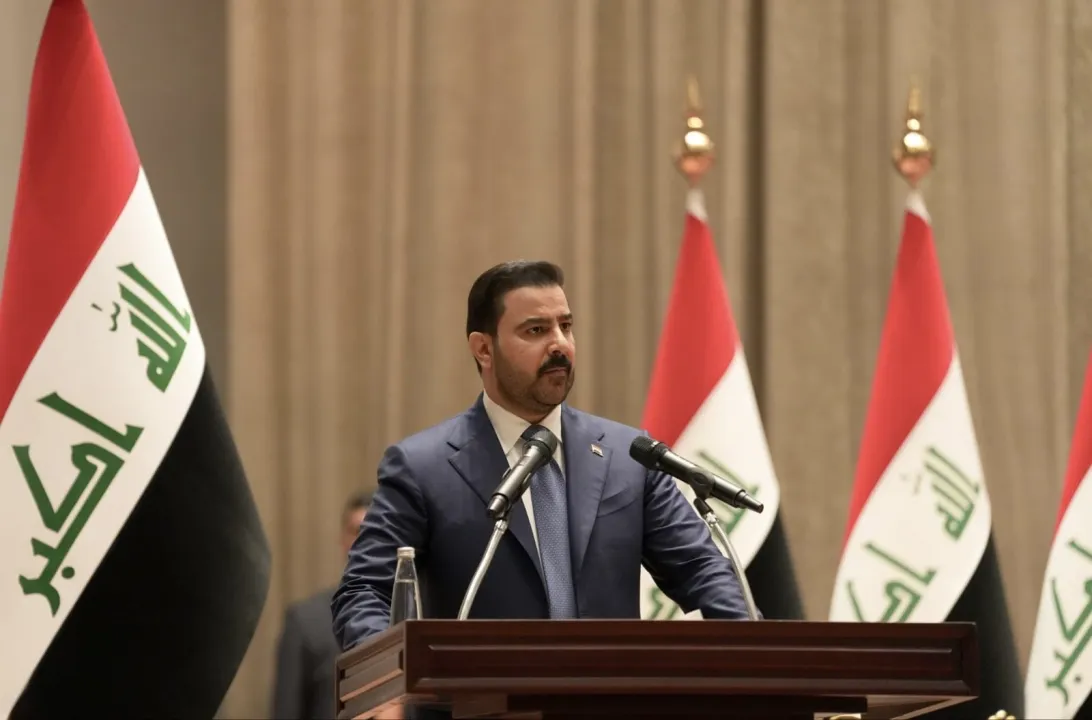
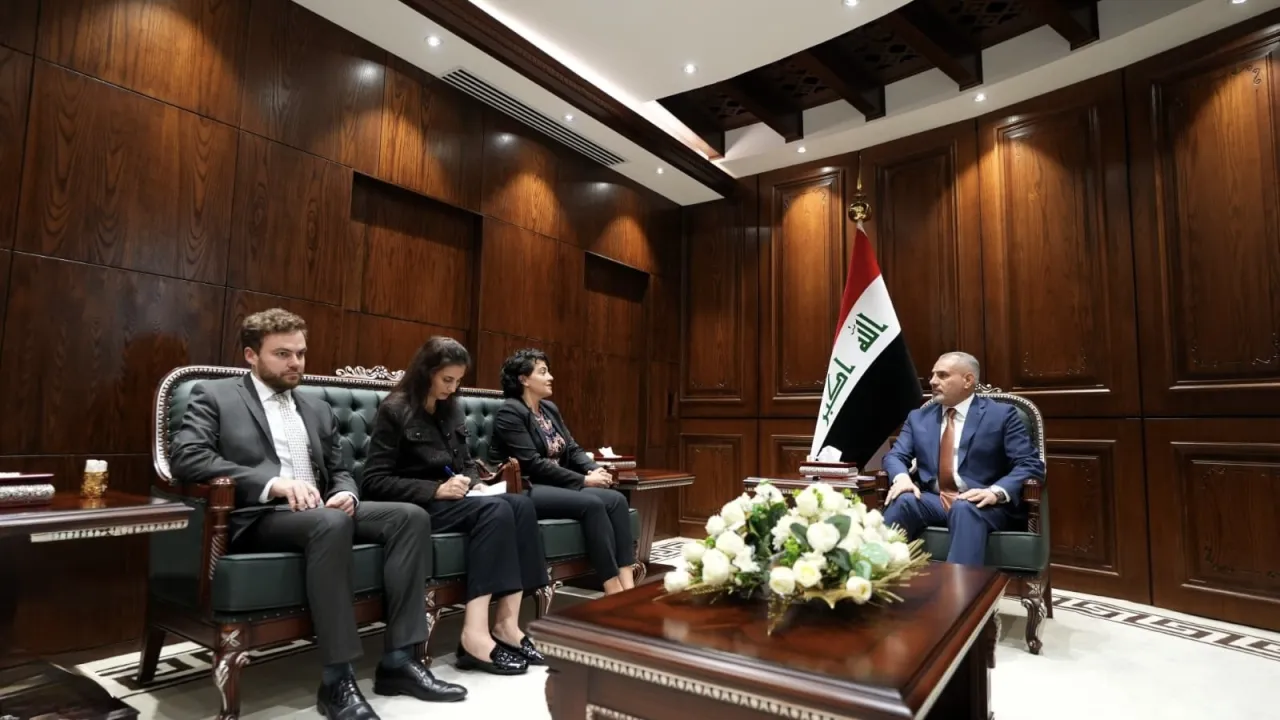
Prime Minister Ali al-Zaidi on Thursday received Badr Organization head Hadi al-Amiri and Popular Mobilization Commission chief Faleh al-Fayyadh, in the presence of the Popular Mobilization Commission Chief of Staff Abdul Aziz al-Mahmoudawi, in a meeting held at the Government Palace in Baghdad.
The prime minister's media office said in a statement that the discussion focused on a number of issues and files related to the security and political scenes, emphasizing "the importance of enhancing coordination and cooperation between different institutions and security agencies" in accordance with the directives of the Commander-in-Chief of the Armed Forces, in a way that contributes to consolidating stability and safeguarding the country's security and sovereignty.
The statement added that al-Zaidi affirmed the government's continuation in implementing the contents of its program across several fields, aimed at consolidating state sovereignty, enforcing the law, and supporting the course of comprehensive development. The meeting also touched on the importance of mobilizing national efforts and strengthening dialogue and understanding among political forces to support the national trajectory, confront challenges, and meet citizens' aspirations.
According to a source, the four-way meeting lasted more than three hours at the Government Palace in Baghdad, during which it was stressed that "those who break the law must be dealt with in accordance with applicable Iraqi laws," while Hadi al-Amiri and Faleh al-Fayyadh proposed giving the concerned parties an opportunity to reorganize their positions and return to the table of dialogue and negotiation in order to reach a settlement on the weapons file.
The source added that the proposal included continuing the work of the four-member committee tasked with negotiating with the armed factions until an agreement is reached that ends existing disputes and addresses the weapons file in a manner that serves the public interest and preserves internal stability.
The meeting comes days after the failure to hold an expanded meeting of the Coordination Framework leaders with the prime minister, which had been scheduled for Monday evening, due to disagreements over how to deal with Kata'ib Hezbollah, in addition to limited progress in the four-member committee’s negotiations to place weapons exclusively in the hands of the state.
Tensions between the government and Kata'ib Hezbollah escalated in recent days against the backdrop of political, security and economic issues, including media disputes and government measures that involved activating arrest warrants for a number of wanted individuals linked to the group.
The issue of placing weapons exclusively in the hands of the state is one of the most prominent challenges facing al-Zaidi's government, amid armed factions' insistence — including Kata'ib Hezbollah, Harakat al-Nujaba (the Al-Nujaba Movement) and Kata'ib Sayyid al-Shuhada — on retaining their military capabilities, while the government insists on extending state authority and ending manifestations of weapons outside its institutions.