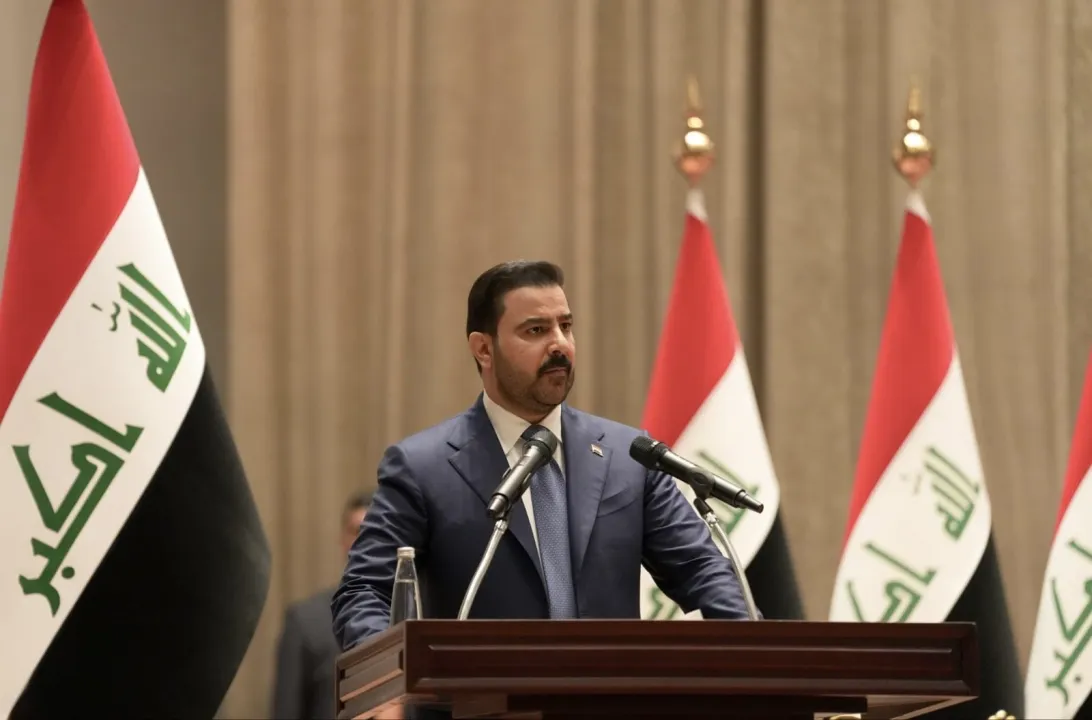
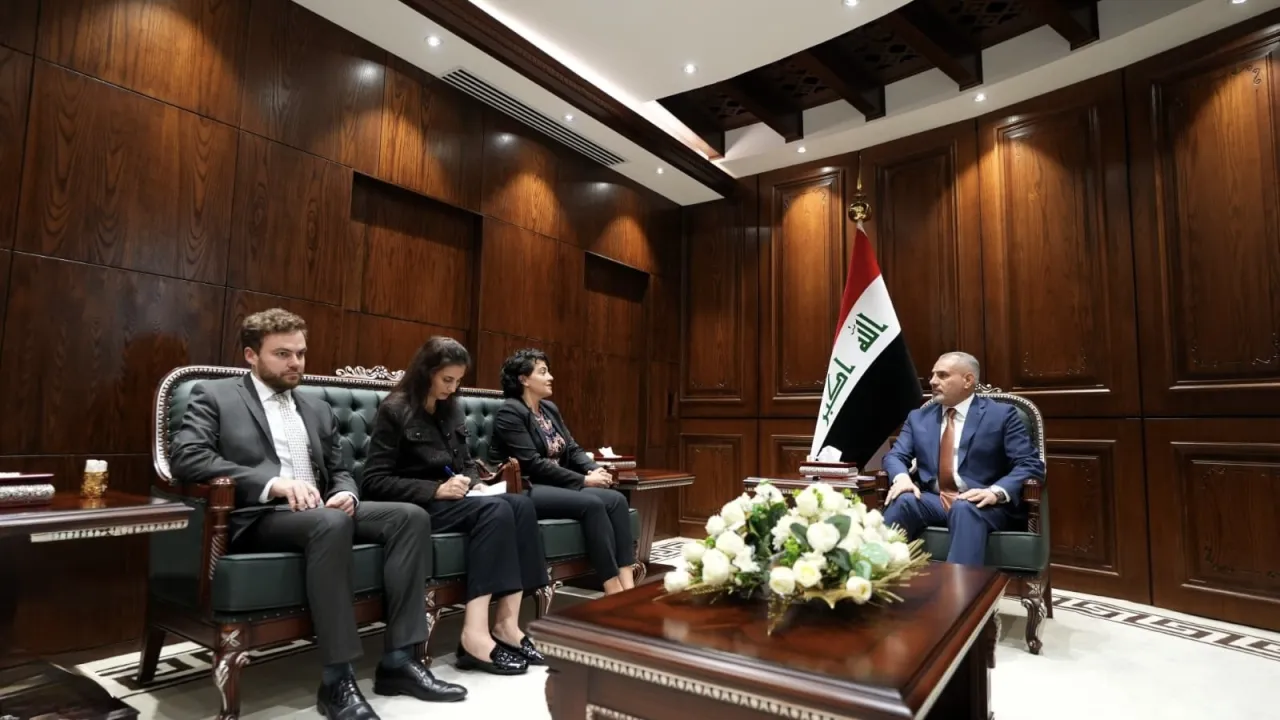
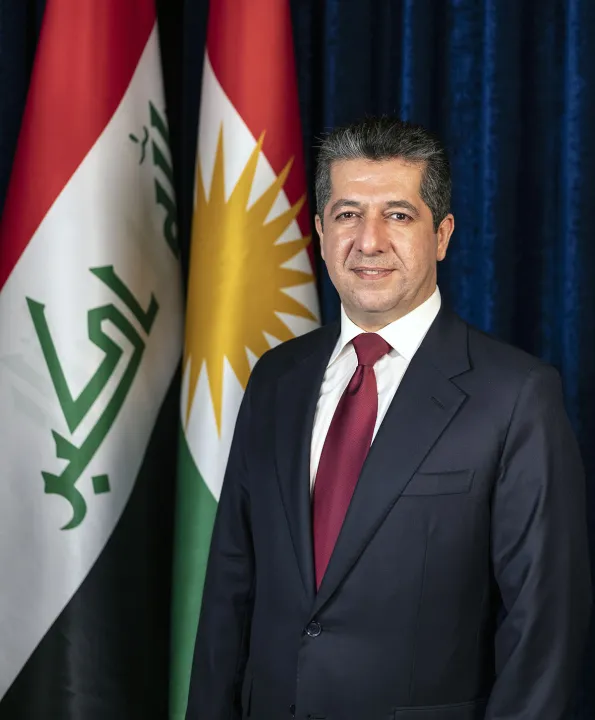
Al-Zaidi Leaves Coordination Framework Meeting After Sharp Dispute Over Jurf al-Sakhr
The Coordination Framework's meeting with Prime Minister Ali Al-Zaidi ended Monday evening without an agreement on Jurf al-Sakhr, after Al-Zaidi insisted on an evacuation deadline that ends Friday and threatened a military option.
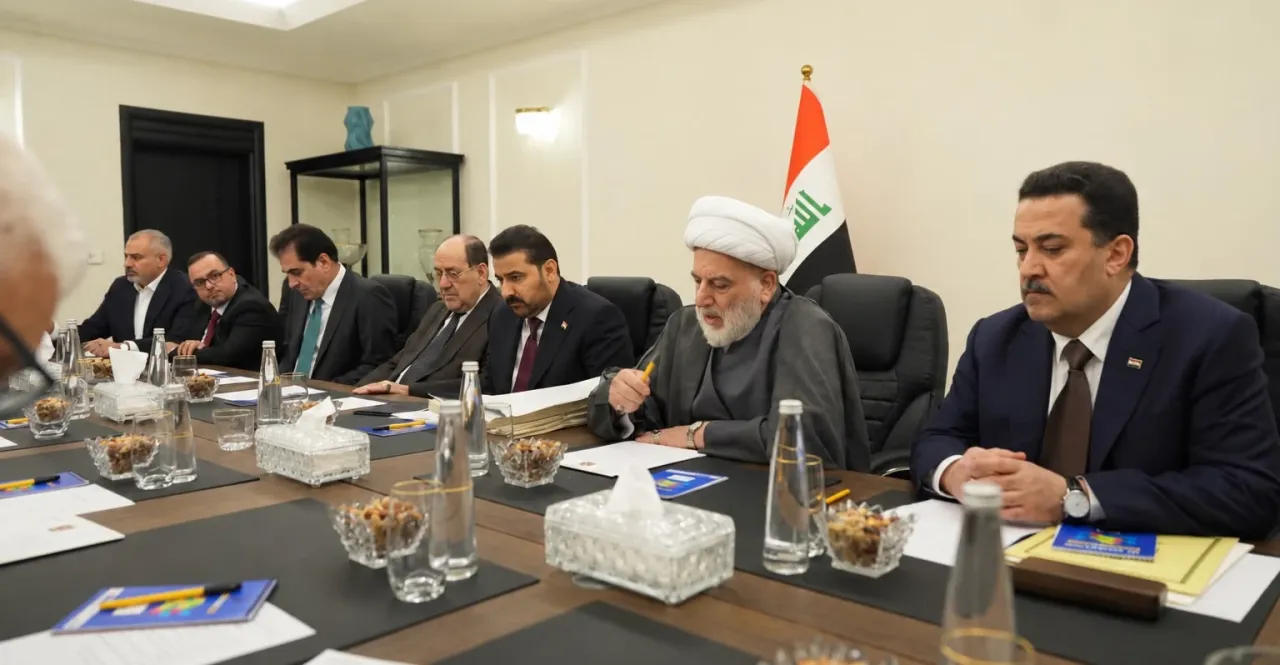
The Coordination Framework's meeting with Prime Minister Ali Al-Zaidi ended Monday evening without reaching an agreement on the Jurf al-Sakhr (Jurf al-Nasr) file, amid disputes over the evacuation deadline and the possibility of resorting to a military option.
According to an informed source, Al-Zaidi told Framework leaders he insisted on government forces controlling the entire Jurf al-Sakhr without any concessions, saying the deadline given for evacuating the area expires next Friday evening with no extension and that military forces are on standby to carry out an assault if responsibility is not handed over.
The source said Al-Zaidi's remarks were met with objections from some Framework leaders who warned of the dangers of taking a military option and of the possible security repercussions in a number of cities, and that these warnings did not dissuade Al-Zaidi, resulting in verbal clashes during the meeting.
The source said the tension materialized in a tug-of-war particularly between Al-Zaidi and Badr Organization leader Hadi al-Amiri, before the prime minister left the meeting, while the rest of the Framework leaders continued their meeting until the preparation of this report without reaching solutions or an agreement on the file.
The meeting was held at the office of the head of the Supreme Islamic Council, Himam Hammoudi, in the presence of the heads of the Council of Representatives and the Republic, alongside Bafel Talabani of the Patriotic Union of Kurdistan and Shaswar Abd al-Wahid, head of the New Generation Movement.
These developments come amid political and security movements in Jurf al-Sakhr, after the government gave armed factions a deadline that expires next Friday evening to evacuate the area and hand over security responsibility to government forces, warning of a military option if there is no compliance.
A mediation led by several Coordination Framework leaders, including Nuri al-Maliki, Hadi al-Amiri and Himam Hammoudi, sought to reach an agreement for a gradual withdrawal of the factions from the area and the deployment of alternative government security forces, while government and political sources spoke of a move to use Counter-Terrorism Service forces to assume security control of the area.
On field developments, a security source said reinforcements arrived in Jurf al-Nasr in Babil governorate to support the units, including elements from Kata'ib Hezbollah, and security forces from nearby provinces also moved to support the military units stationed in the area.