Al-Aboudi in London Announces End to Weapons Outside the State by End of June
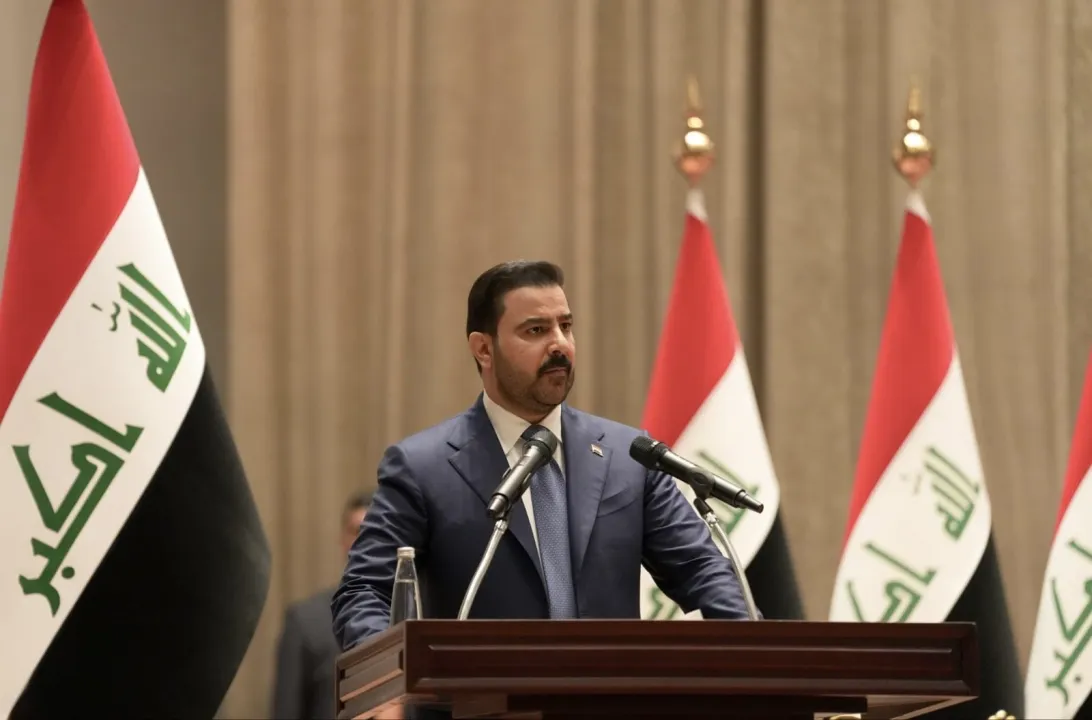
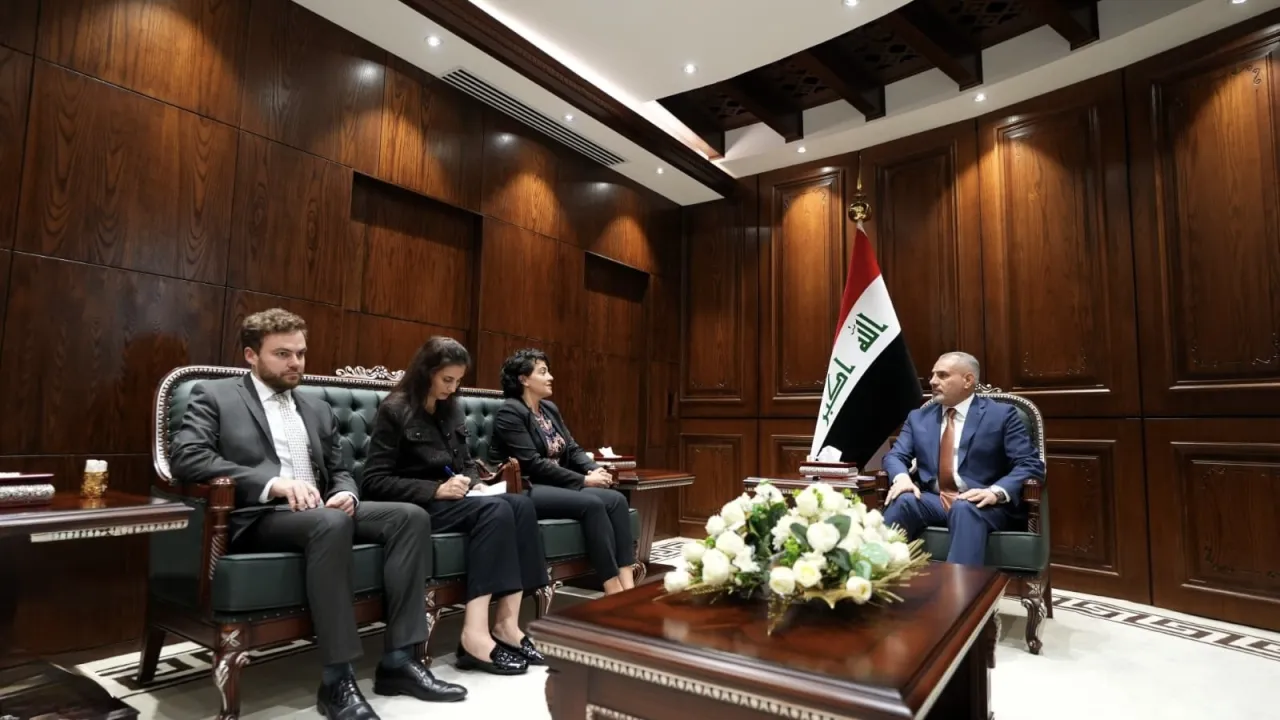
National Security Adviser Qasim al-Aboudi said at a Chatham House session in London on Wednesday that the issue of weapons outside state control will be resolved by the end of next June, and that three of five factions that signed pledges have handed over all their weapons.
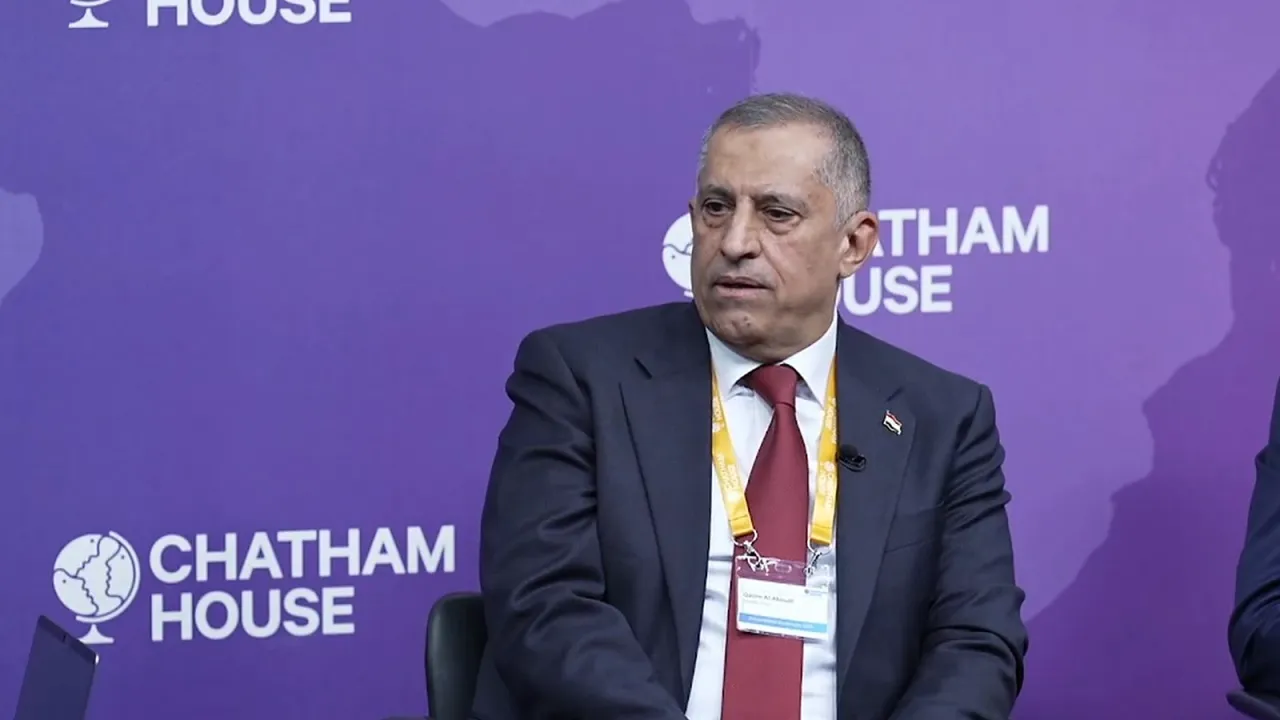
National Security Adviser Qasim al-Aboudi said during a panel at Chatham House in London on Wednesday that the issue of weapons outside the state's framework will be resolved by the end of next June, noting that five factions signed pledges to join the agreement, and that their condition for participating in the government was to hand over their weapons.
Al-Aboudi said that three of these factions have handed over all their weapons, while two other factions signed pledges to hand them over in the coming months, indicating that talks are still ongoing with them, that one is showing great flexibility while the other needs more time to complete the dialogue.
Some neighboring countries remain hesitant.
He explained that Iraq seeks to establish good relations with everyone, especially neighboring countries, but that some of these countries remain hesitant and very slow in dealing with it, citing arguments related to weapons and factions. He stressed that the presence of weapons outside the state harms Iraqi sovereignty, and that the prime minister put forward a plan to address this file which included the withdrawal of U.S. forces, a step that removes any justification for the presence of weapons outside official institutions.
He added that the government spoke in the same tone with the Turks and the Iranians regarding the need for Iraq to fully restore its sovereignty, noting that Baghdad was able to persuade the Turkish side to withdraw from Iraq after it became convinced of the government's seriousness in dealing with the Kurdistan Workers' Party (PKK) issue.
Issues with Iran, Turkey and oil production
Al-Aboudi pointed out that the problems Iraq faces with Iran and Turkey are greater than those it faces with the Gulf states. He explained that Turkey has forces on Iraqi soil, in addition to the presence of armed opposition groups against it, but that did not prevent Ankara from continuing to operate and invest in Iraq, where trade between the two countries reached about $20 billion annually.
Regarding relations with Iran, he said there are contentious issues related to un-demarcated borders, shared oil fields and water, as well as the presence of four parties opposed to Iran in the Kurdistan Region that Tehran from time to time bombs their positions, affirming that relations with the Iranian side remain normal despite these issues. He said oil production is expected to reach five million barrels per day in the coming months, in line with the prime minister's ambition to raise it to ten million barrels per day, and that after the withdrawal of U.S. forces Iraq no longer has foreign bases on its territory.