From the appendix to the wisdom tooth: 6 body parts you can live without
From the appendix to the wisdom tooth: 6 body parts you can live without
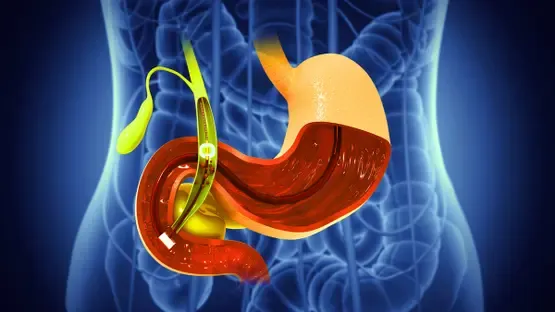
Human bodies include a number of organs and features that played important roles for ancestors long ago, but scientists now say some are no longer essential for survival, even though they still occupy space in the body.
Some of these parts can even cause health problems ranging from pain to serious infections, prompting doctors at times to remove them without significantly affecting a patient’s life.
At the same time, evidence indicates evolution is still ongoing: some of these organs and traits are gradually disappearing, and a number of people are born without them naturally, according to the New York Post.
1- The appendix
The appendix is a small tube located at the end of the large intestine in the lower right part of the abdomen. When it becomes inflamed it can cause severe pain, nausea, swelling and constipation, and if it ruptures the infection can spread inside the body and threaten the patient’s life.
For that reason its removal is one of the most common emergency surgical procedures, and a person can live a completely normal life after it is removed.
For decades the appendix was considered a useless organ and an evolutionary remnant from a time when ancestors relied more on plants. But recent studies have shown it contains immune cells and harbors beneficial bacteria that help support immunity and improve digestion.
2- The gallbladder
The gallbladder plays an important role in storing bile produced by the liver to help digest fats. It sits directly under the liver on the upper right side of the abdomen.
However, it is often removed, especially when gallstones cause painful blockages or when repeated attacks of sharp pain occur after eating fatty foods, and removal may be necessary in cases of inflammation or infection. Even without the gallbladder, the digestive system continues to function normally because bile passes directly from the liver to the small intestine.
3- The tonsils
The tonsils are also part of the immune system, working to filter germs that enter the body through the nose or mouth. They are located at the back of the throat but can become chronically inflamed or enlarged.
In some cases enlarged tonsils can obstruct the airway during sleep, causing snoring and sleep disturbances, which leads doctors to recommend their removal. This procedure is common, especially in children, while most people retain their normal ability to fight infections even after the tonsils are removed.
4- The wisdom tooth
Wisdom teeth typically appear between the ages of 17 and 25 at the far back of the mouth. Because there is often little room for them, they can become impacted in the gums or push adjacent teeth, causing crowding, and they are more prone to decay because they are hard to clean.
For these reasons millions of people undergo wisdom-tooth extractions each year, and about 20% of humans are born without them altogether. Researchers believe these teeth were useful to ancestors who ate tougher foods that required extra chewing power, at a time when human jaws were larger than they are today.
5- The palmaris longus muscle
The palmaris longus runs from the forearm to the palm and contributes to wrist flexion in various daily activities. However, about a quarter of humans are born without this muscle.
Scientists think this muscle helped ancestors climb trees and move among branches, yet its absence does not appear to affect strength or physical performance, leading many researchers to regard it as an evolutionary trait that has lost its importance over time.
6- The plantaris muscle
The plantaris is a small, thin muscle that runs behind the lower part of the leg. Its rupture is associated with a condition known as "tennis leg," which causes sharp pain and is sometimes accompanied by a popping sound from damaged leg tissues.
Estimates indicate that between 7% and 16% of people are born without this muscle. While many experts long considered it useless, others believe it may contribute to balance, movement and maintaining posture to a limited degree.