European Bank: Iraq’s economy heavily affected by closure of the Strait of Hormuz
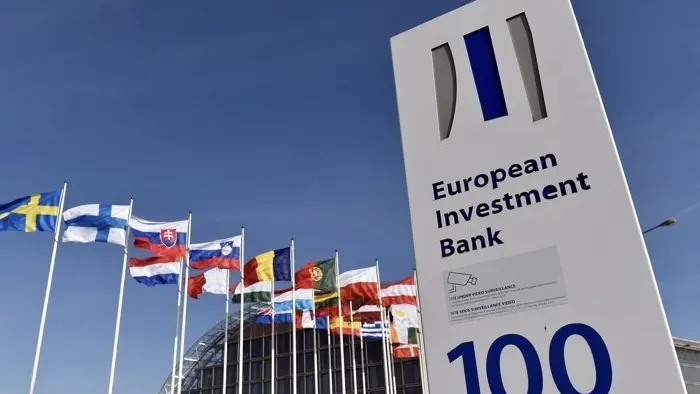
The European Bank for Reconstruction and Development said Iraq’s economy was greatly affected by the closure of the Strait of Hormuz.
Follow-up – Al-Wasat Iraqi newspaper
The European Bank for Reconstruction and Development (EBRD) announced today, Thursday, that Iraq's economy has been greatly affected by the closure of the Strait of Hormuz.
The EBRD's Regional Economic Prospects report, as followed by Al-Wasat Iraqi, said: "Rising energy prices, higher borrowing costs, and issues ranging from drought in Europe to the continued closure of the Strait of Hormuz are combining to put pressure on economic growth."
The bank forecast growth of 2.5% this year across the 41 economies it covers, a decline of 0.6 percentage points from its June forecast, marking its second consecutive downgrade of expectations.
EBRD Chief Economist Beata Javorcik, according to the report, said: "What is worrying is the presence of multiple pressure points, from diesel to the cost of wheat and the cost of borrowing," adding that "pressures are mounting, and there are significant downside risks to our forecasts."
The report added that "the largest downgrades in forecasts are for Iraq and Lebanon," expecting that "the Iraqi economy will contract this year after the closure of the Strait of Hormuz reduced oil exports, while the Lebanese economy is also expected to contract as Israel's war affects economic activity."
The EBRD also cut its forecasts for Ukraine, due to escalating Russian attacks, and for Turkey, saying that "continued inflationary pressures are imposing tighter financial conditions."
Meanwhile, price pressures were less severe than the EBRD had feared, and the report found that "average inflation in the regions covered by the bank stabilized at around 6%, with energy accounting for about a quarter of the overall rate."
It added that "global wheat prices have risen by around 30% since February, with Ukrainian exports falling to their lowest level since April 2022 due to attacks in the Black Sea."