Google’s experimental satellite sends first AI response from orbit in step toward space data centers
Google said its experimental satellite in the Sun Catcher project produced the first AI response from a data‑center‑level TPU chip in orbit, a first step toward solar‑powered orbital data centers.
Google announced on Friday, October 30, 2026, that its experimental satellite in the “Sun Catcher” project produced the first AI response from a data‑center‑level processing chip while orbiting, a first step toward building solar‑powered orbital data centers.
A short poem from orbit
The company said its engineers sent, during a pass over a ground station, the first command to the onboard open model “Gemma 4,” asking it to write a haiku about being in space. The reply came as the satellite passed over Norway’s Svalbard archipelago: “A blue planet below, data flows quietly through it, and starlight feeds my heart.”
It added that it then tested other commands, including short poems and requests for technical reports on the payload systems’ status, noting that the satellite is operating normally.
Four chips and a limited operating window
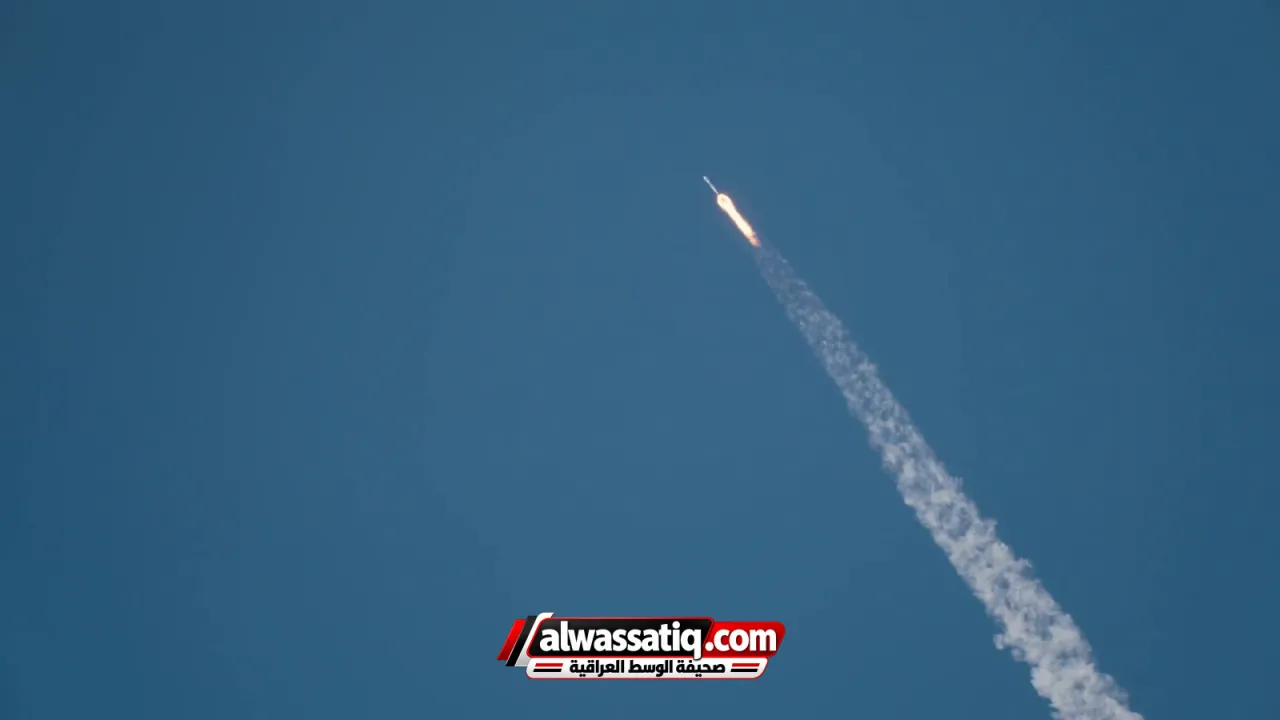
The satellite, launched on October 1 aboard a Falcon 9 as part of a SpaceX rideshare mission, carries four TPU processing units that Google designs for AI. It generates up to one kilowatt of electricity, but it cannot run more than one unit at a time and only for about 20 minutes due to their high power consumption.
The team spent about three weeks inspecting the satellite’s systems, powering up the processors and conducting initial machine‑learning tests before reaching this stage.
Radiation tests and the next step
Google said it will continue a series of tests to evaluate the chips’ performance under thermal stress and radiation exposure in orbit, since radiation can flip stored values in memory and corrupt data.
If the tests succeed, the company plans to launch two linked satellites equipped with the same chips in 2027, with greater power‑generation capacity, to test optical links between satellites as part of a long‑term effort to move some of the massive computing demanded by AI into space.