IMF expects strong Saudi rebound of 7.9% in 2027 assuming Strait of Hormuz reopens
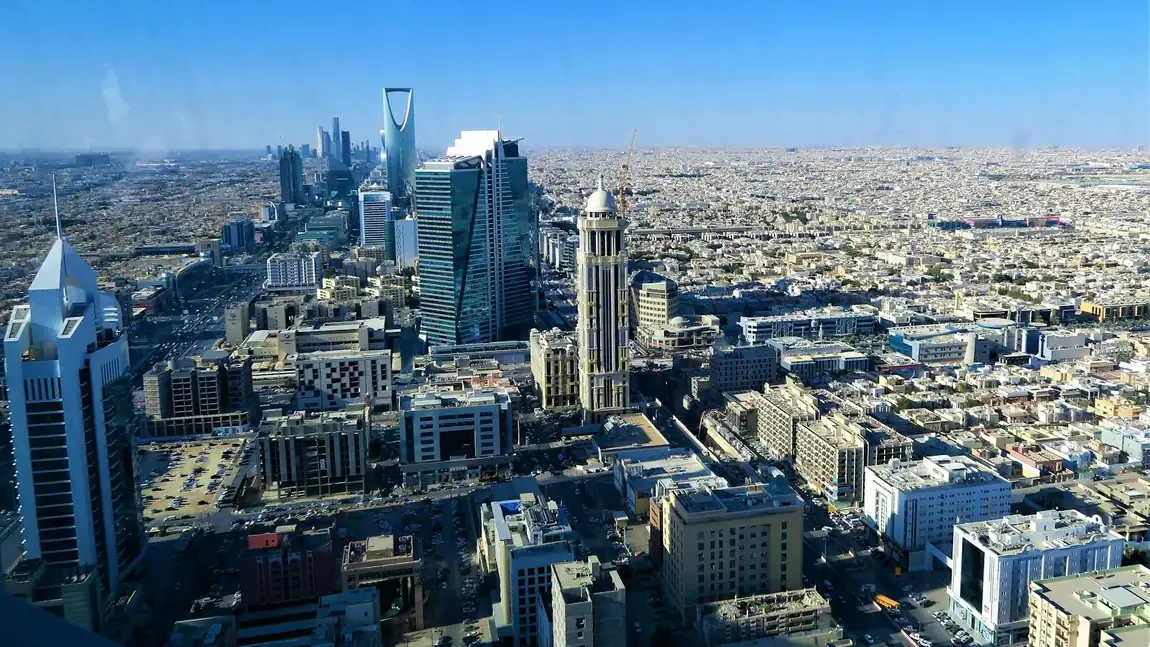
The IMF expects the Saudi economy to contract 3.3% in 2026 then rebound to 7.9% in 2027 amid an anticipated recovery in energy production and exports and the gradual resumption of navigation.
The International Monetary Fund expects strong growth for the Saudi economy of 7.9 percent in 2027, basing its main scenarios on the restoration of energy production and exports and the gradual reactivation of regional trade as war-related disruptions subside.
In its October World Economic Outlook report, the Fund estimated that Saudi Arabia's economy will contract by 3.3 percent in 2026 before recovering in 2027. In an earlier report published in April the Fund had forecast growth of 3.1 percent in 2026 and 4.5 percent in 2027, reflecting a substantial revision to the outlook due to developments in the conflict and assumptions about the resumption of activity.
According to the report, the Saudi economy benefits from alternative oil export routes that reduce the impact of navigation disruptions, most notably the East–West pipeline linking the Eastern Province to the port of Yanbu on the Red Sea, with a capacity of around 7 million barrels per day. Forecasts indicate the kingdom is targeting an increase in pipeline capacity to 10 million barrels per day to strengthen export resilience.
The Fund partly attributes the expected strength of the recovery to the ability of these alternatives to route oil shipments outside the Strait of Hormuz, which mitigates the effect of any disruption to navigation, while also assuming that production and exports will be resumed gradually under the baseline scenario.
For other Gulf countries, the Fund expects a sharp rebound in 2027 after 2026 pressures, projecting growth of 18.8 percent for Qatar, 17.1 percent for Kuwait, 13.9 percent for Bahrain and 7.7 percent for the UAE, while Oman is forecast to grow by 2.2 percent.
The 2026 forecasts pointed to severe pressures on regional economies, with Kuwait expected to contract by 16.7 percent, Qatar by 15.6 percent and Bahrain by 11.3 percent, compared with a 3.9 percent contraction for the UAE, while Oman could record growth of 4.1 percent.
The IMF's baseline scenario assumes that the reopening of the Strait of Hormuz begins in March 2027 and that conditions gradually return to their pre-war state by October of the same year, with the restoration of energy flows, shipping, insurance and payments.
The Fund warns that the speed of the recovery will depend on the course of the conflict and the stability of navigation, but it emphasizes that the diversity of Saudi export outlets contributes to the economy's ability to absorb shocks and regain growth as regional conditions improve.