CENTCOM turns back 150 ships and blocks $30 billion in Iranian oil
U.S. Central Command says its naval blockade of Iran has turned back about 150 ships and prevented oil exports valued at more than $30 billion, while Washington pressures Iraq and neighboring states to close land crossings.
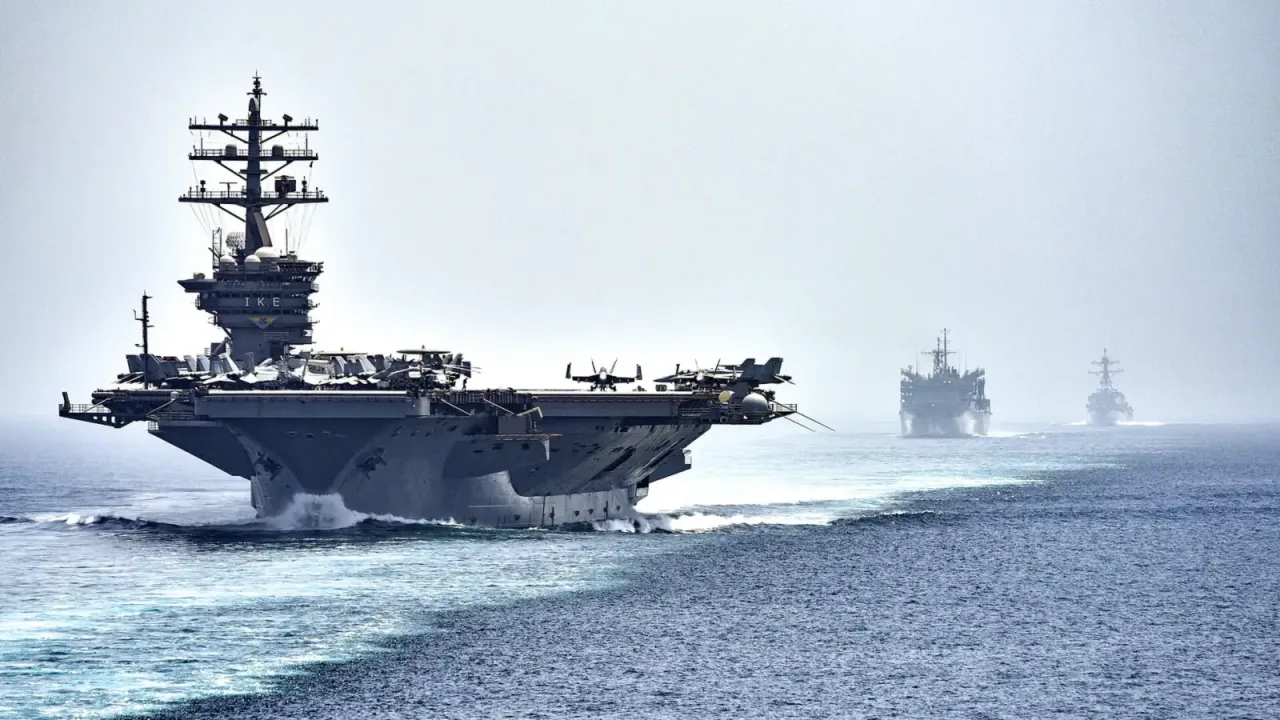
U.S. Central Command (CENTCOM), in an operational update published on Wednesday, November 11, 2026, said its forces have turned back roughly 150 ships and disabled five others since July for attempting to break the maritime blockade imposed on Iranian ports, adding that the blockade has deprived Tehran of crude oil exports estimated at more than $30 billion.
CENTCOM said about 4,000 vessels have transited the Strait of Hormuz with U.S. support, and that roughly 1.7 billion barrels of crude oil have been shipped through the strait under U.S. protection since the summer, noting that the main transit channels remain free of naval mines and that its forces are working around the clock to keep the strait open to commercial navigation.
The 'Iron Gate' targets land routes
CENTCOM said the 'Iron Gate' task force, established on November 7 and composed of 20 civilian and military personnel based in Tampa, is working with U.S. government agencies to prevent the Islamic Revolutionary Guard Corps from using overland routes and the Caspian Sea to move advanced weapons systems, dual-use technologies, sanctioned materials and illicit revenues.
Iraq faces the crossings dilemma
U.S. efforts to extend the blockade overland have met with reluctance from neighboring countries. U.S. reports say American officials spent weeks pressing Iraq, Turkey and Pakistan to close their crossings with Iran, and that Washington asked Baghdad to close all its border crossings with Iran except two — a request Iraq did not agree to, although it did temporarily close some crossings.
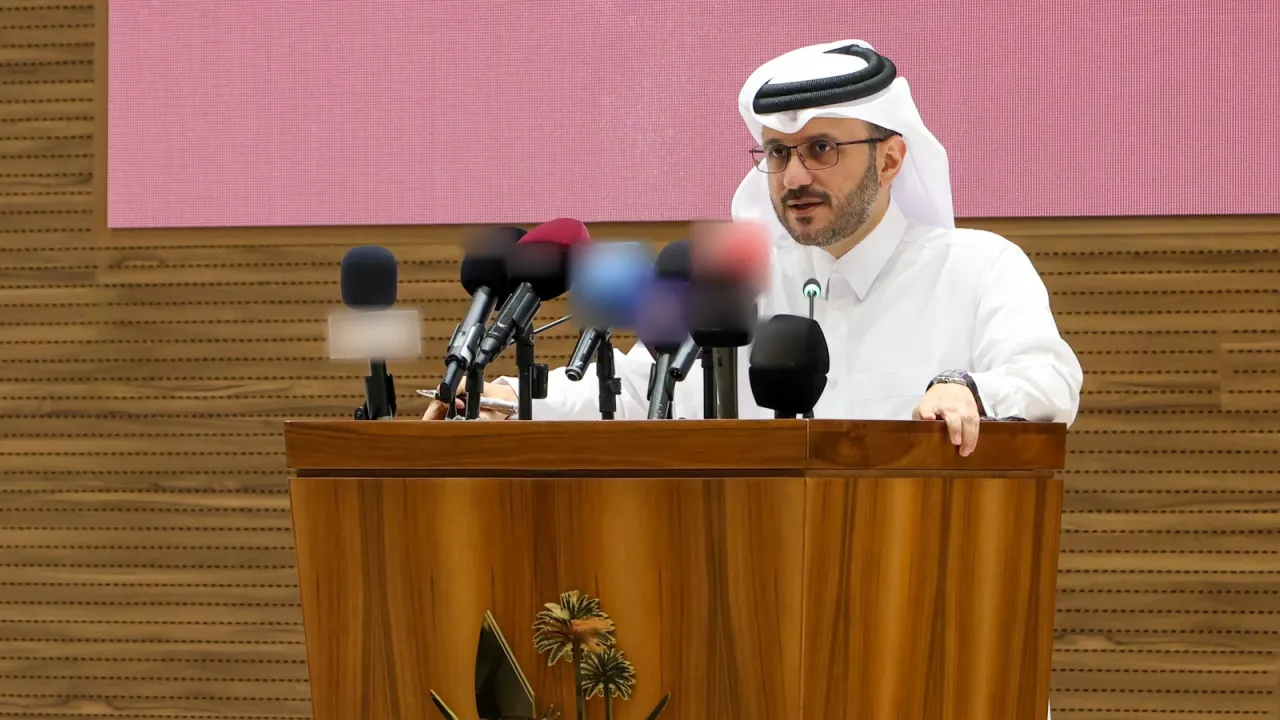
Iraqi Foreign Minister Fuad Hussein said the U.S. request arrived officially, warning that closing crossings might act as a punishment for Iran but would also harm Iraq, given annual trade between the two countries ranging from $15 billion to $18 billion, including about $4 billion for gas imports, and that Baghdad is still discussing the matter with Washington.
These developments come as President Donald Trump's administration focuses on economic pressure rather than resuming military strikes. Secretary of State Marco Rubio said economic pressure achieves the same objective without the need for major combat operations, while Tehran remains firm on conditions for reopening the Strait of Hormuz. The Iranian Revolutionary Guard Corps Navy today announced that tankers it said attempted to follow an unauthorized southern route in the strait caught fire.
Read also: United States establishes 'Iron Gate' task force to cut Iranian weapons supply routes