Federal Integrity Commission signs MoU with Azerbaijani Prosecutor to boost judicial cooperation
Federal Integrity Commission head Mohammed Ali al-Lami met with the Azerbaijani Prosecutor General in Baku and the two signed a memorandum of understanding to enhance information exchange and activate legal assistance in corruption and asset recovery cases.
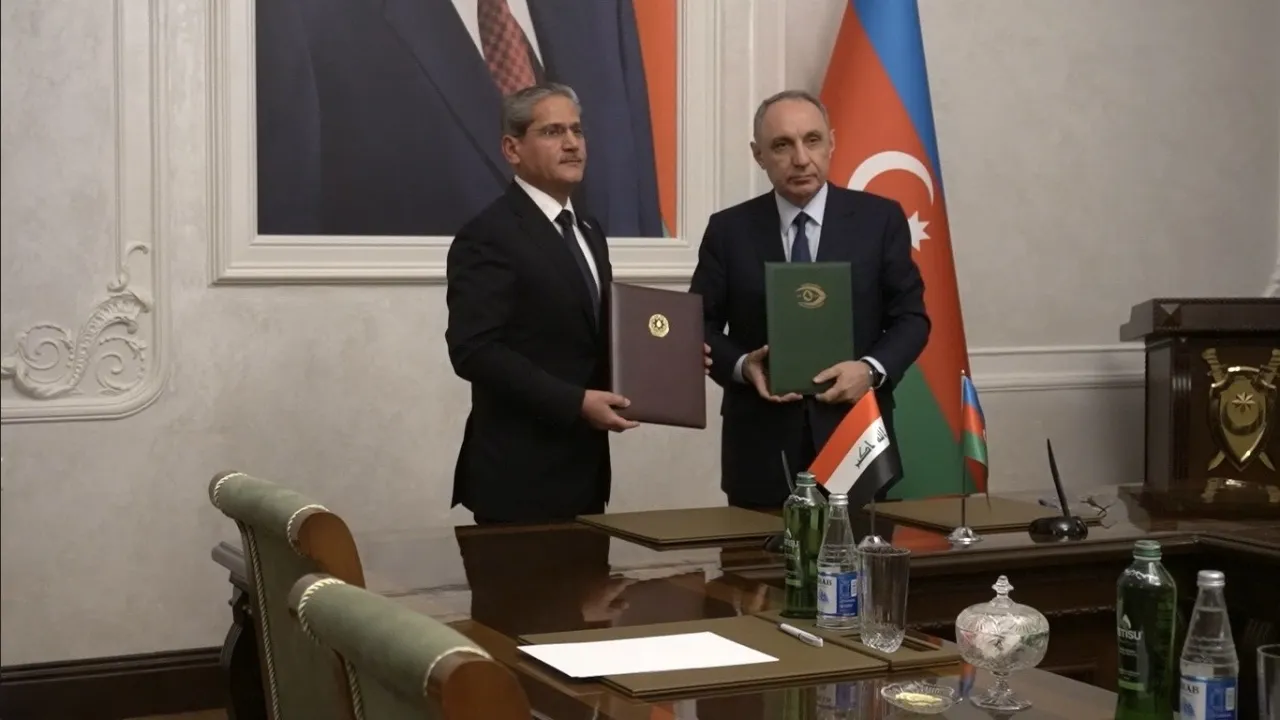
Mohammed Ali al-Lami, head of the Federal Integrity Commission, signed a memorandum of understanding today, Wednesday, in Baku with the Prosecutor General of the Republic of Azerbaijan, Kamran Aliyev, aimed at strengthening legal and judicial cooperation in the areas of combating corruption, asset recovery and wanted persons.
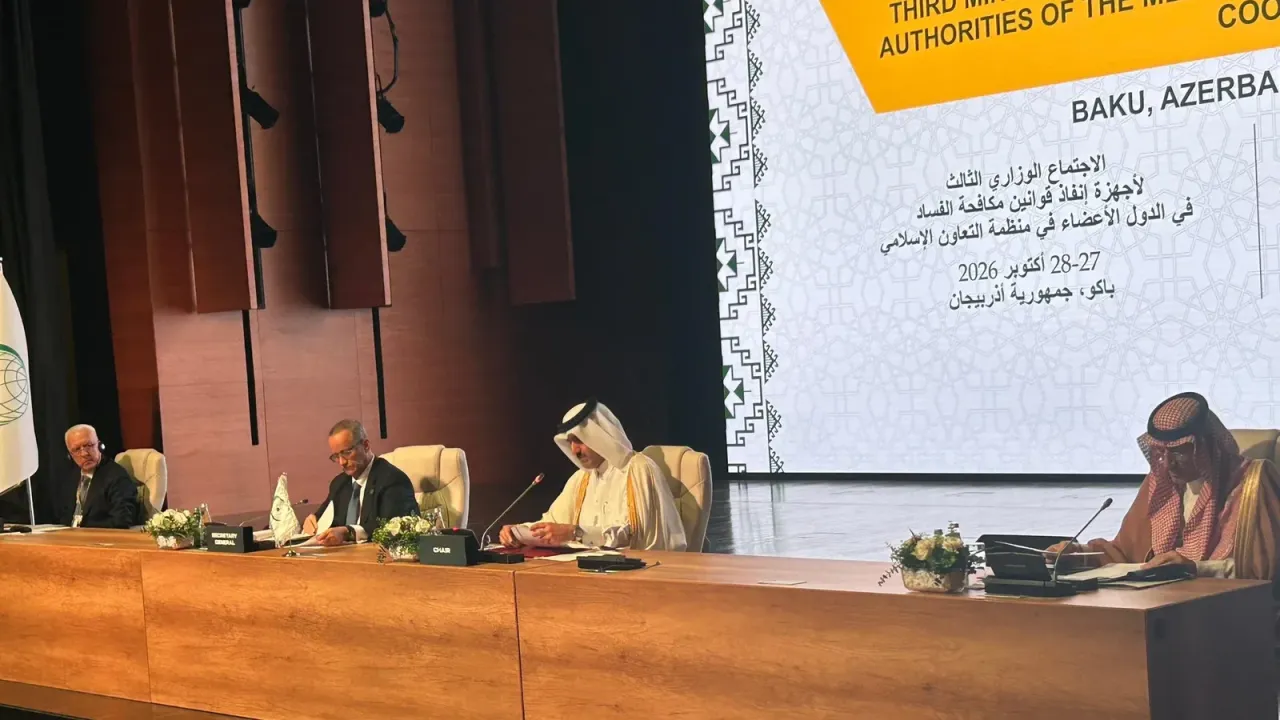
The signing took place during a bilateral meeting held on the sidelines of the third session of the ministerial meeting of anti-corruption law enforcement agencies of the Organization of Islamic Cooperation member states, where the two sides discussed prospects for developing bilateral coordination to enhance protection of public funds, develop oversight bodies and exchange expertise in the prevention and fight against corruption.
Mohammed Ali al-Lami outlined before his Azerbaijani counterpart the commission’s independence and its constitutional and legal powers, stressing the historical roots and the urgent necessity that led to its formation.
Al-Lami noted that the major challenges in the asset recovery file are linked to repercussions extending back to the 1990s and to measures imposed during the previous regime era, such as international sanctions and asset freezes, which make building international partnerships imperative for their recovery.
For his part, Prosecutor General Kamran Aliyev welcomed the Iraqi delegation, confirming his country’s readiness to provide expertise and exchange experiences in public prosecution and confronting organized crime, and pointing to the deep fraternal relations and previous meetings that helped establish a basis of understanding for legal and security cooperation.
The memorandum of understanding provides for enhancing the exchange of information and studies, and developing the capacities of personnel from both parties through organizing training programs, workshops and awareness activities to promote a culture of integrity, in addition to activating requests for legal assistance and following up on asset recovery files and wanted persons in corruption cases with the competent national authorities, in a step aimed at strengthening joint cooperation and confronting cross-border manifestations of corruption.