Dollar in Iraq's Parallel Market Tops 160,000 Dinars per 100 Dollars as Gap with Official Rate Raises Fears
The official rate remains 1,320 dinars per dollar, while the parallel market reached over 160,000 dinars per 100 dollars, with warnings about speculation, liquidity shortages and concern among importers and citizens about the 2027 budget.
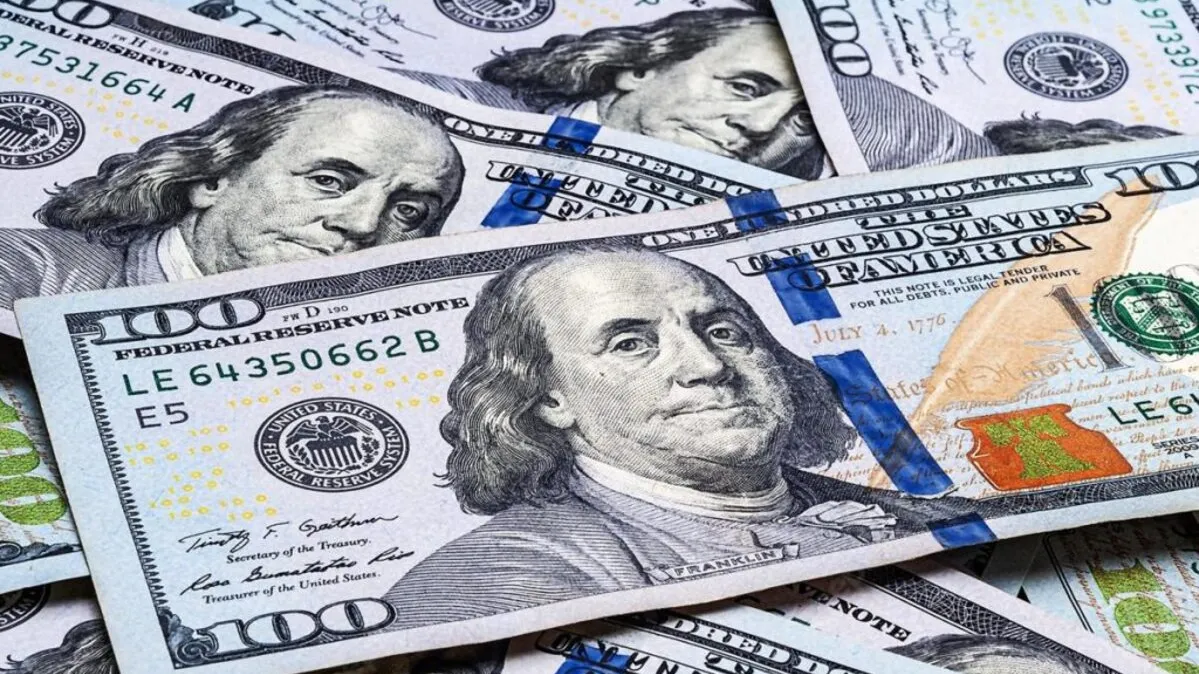
Dollar exchange rates in Iraq's parallel market exceeded 160,000 dinars per 100 dollars, reviving concerns about a widening gap between the official rate and the market rate, alongside reports of new shipments of US currency arriving in the country and questions about whether these shipments can calm the market and curb speculation.
It is noted that the official rate remains set at 1,320 dinars per dollar in official transactions, while the rate in the parallel market had risen to around 160,000 dinars per 100 dollars by Monday evening, amid a wide gap reflecting continued pressures on the exchange market.
Reasons for the rise: speculation, concern and delayed transfers
Economist Ali Daddoush said that speculation and uncertainty, along with delays in official transfers through banks and increased demand for dollars to finance imports from Iran, represent the main reasons for the current volatile rise in the exchange rate. He added that the uncertainty affects traders, importers and citizens who are holding dinars out of fear of a possible change in the exchange rate in the 2027 general budget, which collectively pressures the dollar in the parallel market.
Daddoush explained that a large portion of the dollars circulating in the parallel market comes from currency sold by the central bank to citizens for travel, study and medical treatment and then reintroduced into the local market after being sold, a phenomenon known as the "reverse" or "returned" dollar. He added that demand for dollars has become much larger than supply, which drives prices up and increases volatility.
Banks: shipments alone are not enough
Nabil Al-Abadi, director of Al-Ittihad Bank, said that movements in the exchange rate in the parallel market are linked to the level of demand for dollars and the volume of supply, as well as the nature of transactions and transfers carried out outside official banking channels. He explained that the arrival of new dollar shipments into official channels could help support liquidity, but their impact on the parallel market depends on how quickly they enter the market and the extent to which they reach those with actual demand for the currency.
Al-Abadi pointed out that addressing the gap between the official and parallel rates is not only about injecting dollars, but requires strengthening the role of the banking sector and facilitating access for users to foreign currency through official channels to reduce reliance on the parallel market.
What do central bank data say?
Data from the Central Bank of Iraq showed foreign reserves fell to $80.633 billion by the end of July 2026, compared with $97.432 billion at the end of last year, a decline of about $16.8 billion, roughly 17.2 percent over seven months.
In a statement issued by the central bank on 19 September, it said its foreign reserves are sufficient to meet demand for foreign currency to finance foreign trade, settle bank cards and handle traveler requests at the official rate, attributing the current rise in the exchange rate to speculation, expectations and exploitation of geopolitical conditions in the region.
From Kurdistan: warning against fixing the dollar at 150,000
Jabar Goran, the spokesperson for the exchange market in Sulaymaniyah in the Kurdistan Region, warned of potential negative repercussions if the government were to fix the dollar exchange rate at 150,000 dinars, suggesting it is unlikely that this rate will be adopted in the general budget. Goran said at a press conference: "The reaction of citizens and the market will be negative and very bad if the government fixes the dollar at 150,000 dinars," adding: "Therefore I believe the dollar will not be fixed in the budget at this level."
Goran added that he is surprised by some members of parliament talking about the possibility of adjusting the exchange rate, noting that this matter falls under the authority of the central bank alone, saying: "It is strange to me that an MP would talk about adjusting the dollar rate; this is the central bank's authority only."
A real test for the central bank and the government
Observers say the psychological factor and future expectations have become an influential part of market movement, since expectations of a dollar increase lead some market participants to raise their demand for it in anticipation of any change, creating additional demand that pushes the price up and widens the gap. The continued difference between the official and parallel rates also encourages seeking dollars outside official channels, making closing the gap dependent on the banking system's ability to provide dollars regularly and transparently for legitimate requests, not merely on increasing supply.
The current picture poses a real test for the central bank and the government: increasing dollar liquidity may provide a reprieve for the market, but it will not be sufficient if the factors that feed demand and speculation remain in place. The most important question remains whether the new dollar shipments will calm the market and reduce the gap or whether the parallel market will absorb this liquidity and climb again; the answer will largely depend on the ability of official channels to meet demand and bolster confidence in the stability of the exchange rate, and on what the 2027 budget sets regarding the exchange rate.