Washington Times: Iraq's Success in Bringing Weapons Under State Control Could Make It an Important Economic Hub in the Middle East
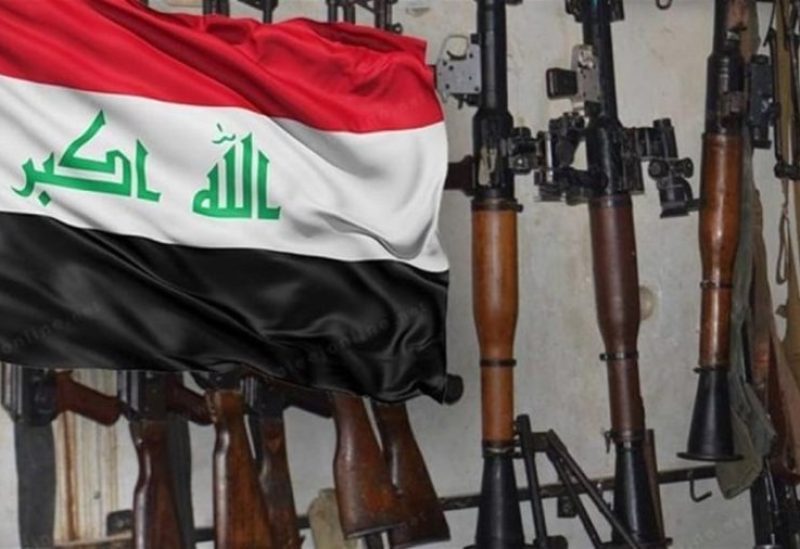
Washington Times: Iraq's success in bringing weapons under state control could make it an important economic and energy hub in the Middle East.
The Washington Times reported that Baghdad's success in concentrating weapons in the hands of the state could make Iraq an important economic and energy hub in the Middle East.
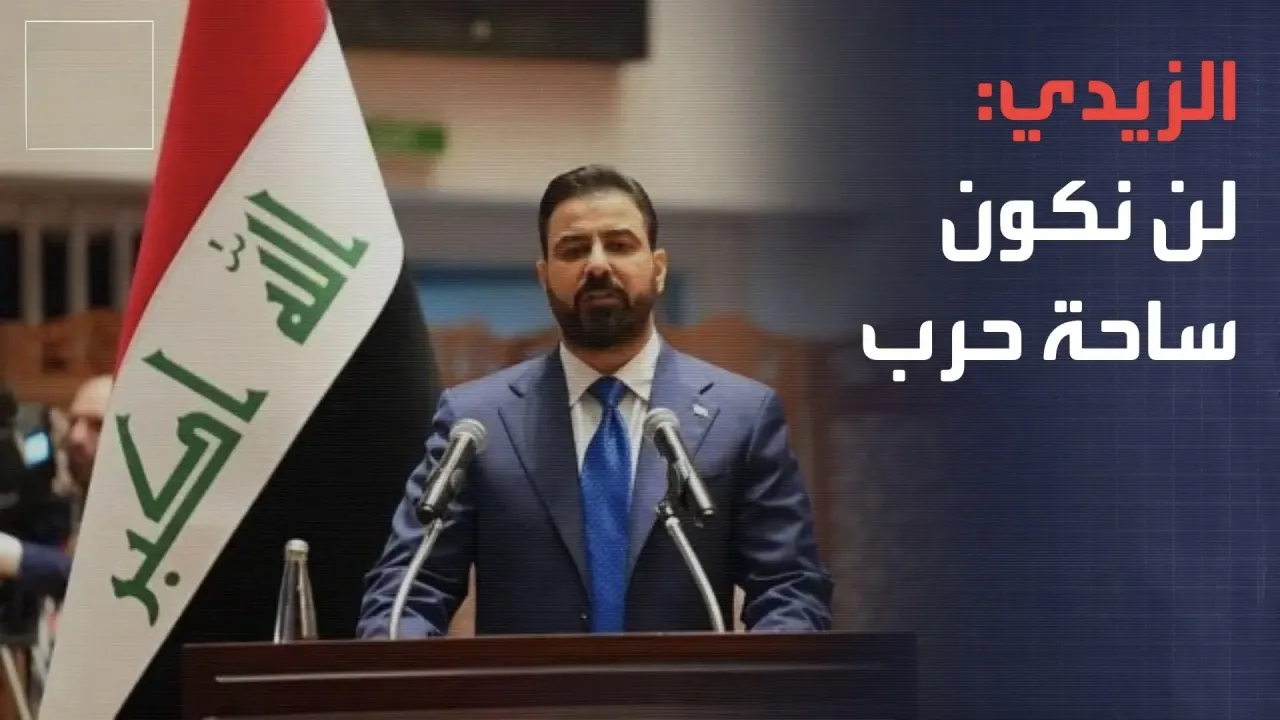
The American newspaper's report said, "Iraq faces one of the most consequential tests in the post-2003 era, a test whose outcome could also shape the broader landscape of security and energy in the Middle East."
It added that "Iraq's relationship with the United States, through Prime Minister Ali al-Zaidi's visit to Washington in July to participate in the U.S.-Iraq business summit, saw the announcement of more than 50 agreements valued at over $60 billion, involving major international companies including Chevron, ConocoPhillips, General Electric Vernova, BP, Shell, KBR, and Xcellerate Energy."
The report noted that "a large part of these initiatives relates to oil, natural gas, electricity, infrastructure, and the development of secure routes for exporting energy, and these initiatives indicate an opportunity to develop Baghdad-Washington relations beyond the military character that has dominated them over the past two decades toward a broader economic and strategic partnership."
The report pointed out that "a key obstacle remains the continued presence of armed centers of power that are not fully subject to the authority of the Iraqi state," stressing that "no investment worth tens of billions of dollars can continue without the rule of law, contractual security, and political stability. From this perspective, placing all weapons under state authority is a prerequisite for rebuilding state authority and establishing a stable economy."
It drew attention to the fact that "the challenge is made more complex by the existence of factions numbering around 50,000 fighters, which possess arsenals of rockets and advanced weapons," explaining that "disarmament should not be limited to collecting weapons, but should also include subordinating chains of command and economic activities, and ultimately decisions of war and peace, to state authority."
The report continued: "The sensitivity of this issue increases when considering that Iraq holds some of the largest oil reserves in the world. At a time when the safety of navigation in the Strait of Hormuz has again raised major global concern, developing more resilient routes to export Iraqi energy is of growing strategic importance."
It affirmed that "Iraq has the elements enabling it to become an important hub in Middle East energy security, but reaching that position requires Baghdad to demonstrate its ability to protect energy resources and pipelines, and, most importantly, to guarantee the independence of economic decision-making."
It noted that "state sovereignty is essential. However, attempting to disarm tens of thousands of fighters without a carefully considered political and security strategy carries serious risks, as recent confrontations have shown."