US report proposes sustainable strategy to contain arms in Iraq and calls for 'special' attention to Kurdistan
US report proposes a sustainable strategy to 'contain arms' in Iraq and calls for 'special' attention to Kurdistan
Al-Wasat Iraqi newspaper - Special translation
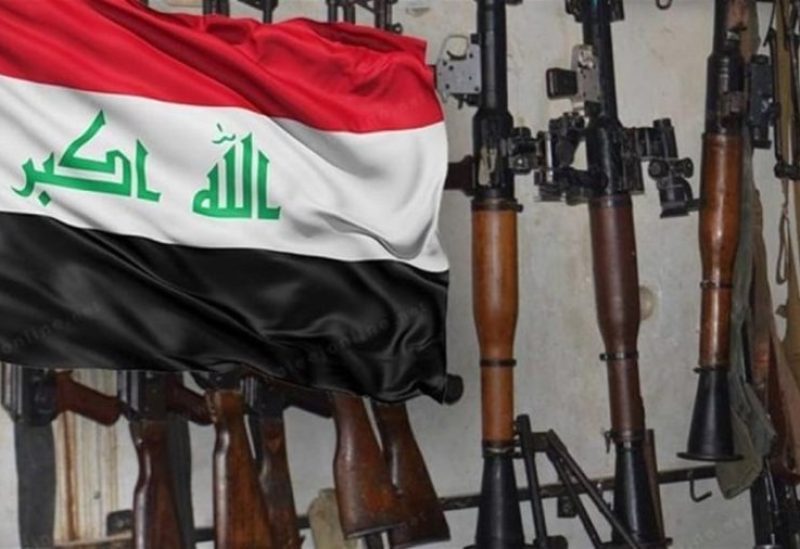
Iraq faces one of the most important tests of the post-2003 era, according to the US Washington Times, a test that is a choice between law and arms, the results of which could also shape the broader security and energy landscape of the Middle East, and which calls for special attention to the Kurdistan Region.
The US paper, in a report translated by Al-Wasat Iraqi newspaper, said that at the heart of this challenge lies a basic question: will the state become the sole authority entitled to use armed force, or will parallel armed structures continue to operate as an entrenched part of the country's political system?
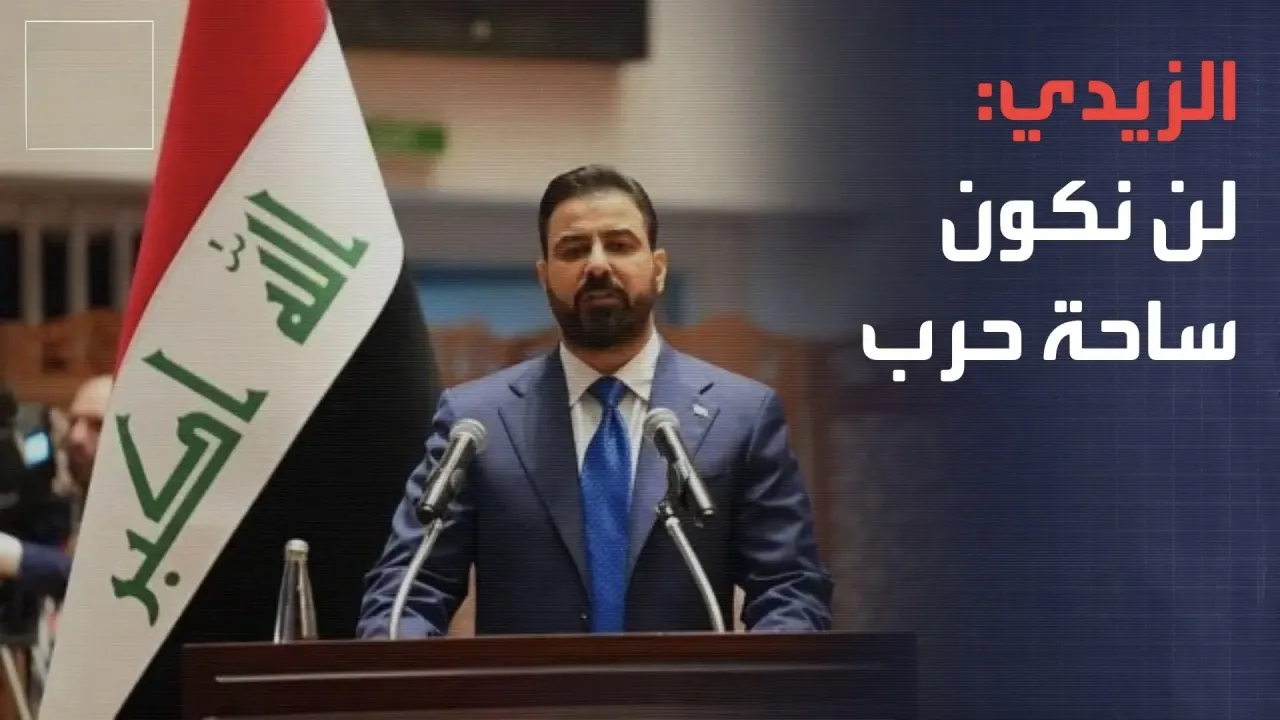
The report noted that this question increasingly colors Baghdad's relationship with the United States, pointing to Prime Minister Ali Faleh al-Zaydi's visit to Washington where more than 50 agreements worth over $60 billion were announced, involving major American companies and largely related to oil, natural gas, electricity, infrastructure, and developing secure routes to export energy.
Non-military Iraqi-American relations
The report argued that this indicates an opportunity for Baghdad–Washington relations to evolve beyond the military context of the past two decades and move toward a broader economic and strategic partnership.
However, it said the main obstacle is the continued existence of armed centers of power that are not fully subject to the state, noting that it is not possible to sustain any investment worth tens of billions of dollars over the long term without the rule of law, security, and political stability; therefore placing weapons under state authority is a fundamental condition for rebuilding state authority and establishing a stable economy.
After pointing to Iraqi factions linked to Iran that pose a particular challenge, the report said disarmament must go beyond collecting weapons to also place chains of command, economic activities, and decisions about war and peace under state authority.
Energy security
At the same time, it noted that Iraq could become an important node in Middle East energy security, but achieving that requires Baghdad to demonstrate its ability to protect energy resources and pipelines and, more importantly, to make economic decisions.
The report said Washington increasingly views armed groups in Iraq from an economic perspective as well, referring to sanctions by the US Treasury on groups, companies, and individuals linked to Iran.
"State sovereignty is necessary, but attempting to disarm tens of thousands of fighters without a carefully calibrated political and security strategy carries grave risks," it said.
A sustainable strategy to contain arms
The report proposed developing a sustainable strategy that includes a mix of legal pressure, political negotiation, dismantling illicit economic networks, integrating qualified personnel into legitimate state institutions, and dissolving independent military command structures.
It said one non-negotiable principle should be the existence of a state governed by the rule of law, because there cannot be two independent authorities authorized to use military force.
The report said this is a test for US President Donald Trump, who presents himself as a dealmaker for resolving difficult disputes, and it called on Washington to approach the next phase with strategic caution so that a reduction in US and coalition forces does not inadvertently create a vacuum that strengthens Iran-aligned armed groups.
Kurdistan Region
On these calculations, the report said the Kurdistan Region deserves special attention, noting that for decades the region has been one of the United States' most reliable partners in Iraq.
It added that it is rightly obvious that a strong, secure Kurdistan Region can contribute to a stronger, more stable federal Iraq.
It continued that Washington must ensure its strategy does not weaken trusted partners at a moment when Iran-backed networks may seek to exploit a changing security environment.
It explained that supporting the security of the Kurdistan Region, its economic resilience, its constitutional rights, and its ability to attract international investment is an important part of a broader US strategy aimed at strengthening Iraqi sovereignty.
The report concluded that if Baghdad can place weapons under state authority without dragging the country into internal conflict, and at the same time separate economic activity from illicit networks and armed influence, Iraq could emerge over the next decade as one of the region's most important economic and energy hubs.
But the report said the "historical question" for Iraq remains: "Will the law have the final say, or the rifle?"