Kospi plunges 6.16% to 4,697.51, Nikkei falls 2.78% as chip-stock selloff resumes
The Kospi closed at 4,697.51, down 6.16% and triggering a programmed trading sell suspension; Samsung and SK Hynix fell 9.87% and 11.05% respectively. The Nikkei slipped 2.78% amid renewed AI and U.S. tariff concerns.
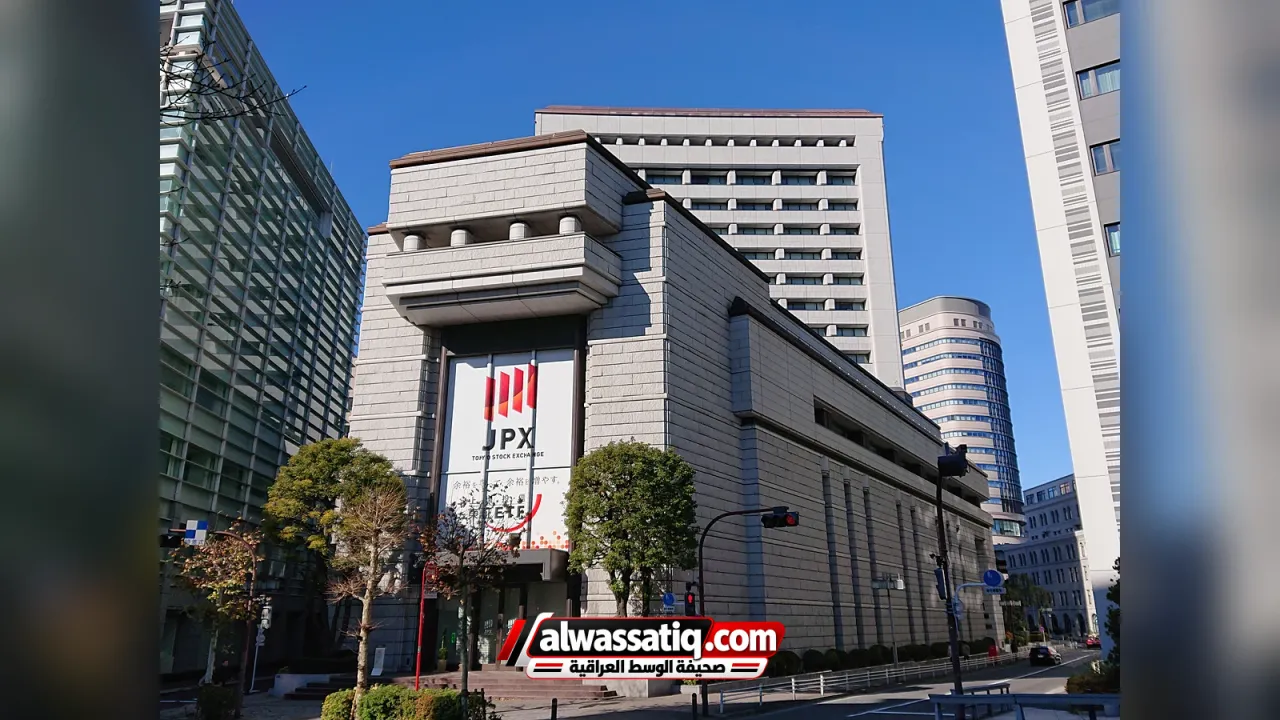
The Kospi, South Korea’s main stock index, plunged more than 6% in trading on Wednesday, Nov. 25, 2026, falling below the 5,000-point mark in a single session, while Japanese and Taiwanese stocks also dropped sharply as a renewed wave of selling hit chip and artificial intelligence-related shares after declines in U.S. markets.
The Kospi closed down 308.52 points, or 6.16%, at 4,697.51, wiping out all of Tuesday’s gains when it rose 6.32% to 5,006.03, and marking its lowest close since Jan. 13 — roughly ten months ago.
Kospi surrenders 5,000-point level in one session
The index opened the session down 3.94% at 4,809 points, then extended losses to an intraday low of 4,672.55 points, down 6.66%. Minutes after the open, the Korea Exchange activated a sell-side cooling mechanism that suspends sell orders in programmed trading for five minutes in an attempt to contain extreme volatility.
The Kosdaq index for small- and medium-sized companies fell 2.29% to 650.64, and the South Korean won slipped slightly to 1,343.2 won per dollar at the close.
Samsung and SK Hynix lead losses amid heavy foreign selling
Major chip stocks led the downturn: Samsung Electronics fell 9.87% to 170,700 won, with its market value slipping below 1,000 trillion won, while SK Hynix dropped 11.05% to 1.03 million won. Samsung Electro-Mechanics fell 12%, SK Square lost 11.19%, and the household appliances and electronics sector declined more than 9%.
Foreign investors were net sellers of about 1.9 trillion won on the main market after having switched to buying the previous day, while individual (retail) investors were net buyers of roughly 1.4 trillion won. Drug stocks rose in contrast, with Samsung Biologics up 5.66% and Celltrion up 3.83%.
Nikkei falls 2.78% and SoftBank plunges about 15%
In Tokyo, the Nikkei 225 closed down 1,633.01 points, or 2.78%, at 57,011.62, after earlier losing more than 2,100 points before trimming some losses. Chip and AI-related shares led declines, notably Advantest and Tokyo Electron, and SoftBank Group, whose stock plunged 14.83% to 2,696.5 yen.
In Taiwan, the weighted index fell 1,926.92 points, or 4.80%, to 38,195.43, marking one of its largest daily point declines.
AI worries and U.S. tariffs weigh on markets
The slide followed sharp losses in U.S. chip stocks, with the Philadelphia Semiconductor Index down nearly 8% on Tuesday. Nvidia resumed declines after a more than 31% jump on Monday following Jensen Huang’s return to the CEO role, reviving concerns about the viability and returns of massive AI investments.
Concerns over additional U.S. tariffs on a group of trading partners also dented sentiment, after reports said Washington “is preparing to announce new tariffs on China, the European Union and 14 trading partners over excess industrial capacity.”.