Oily skin: causes and healthy care routine
Oily skin: causes and healthy care routine
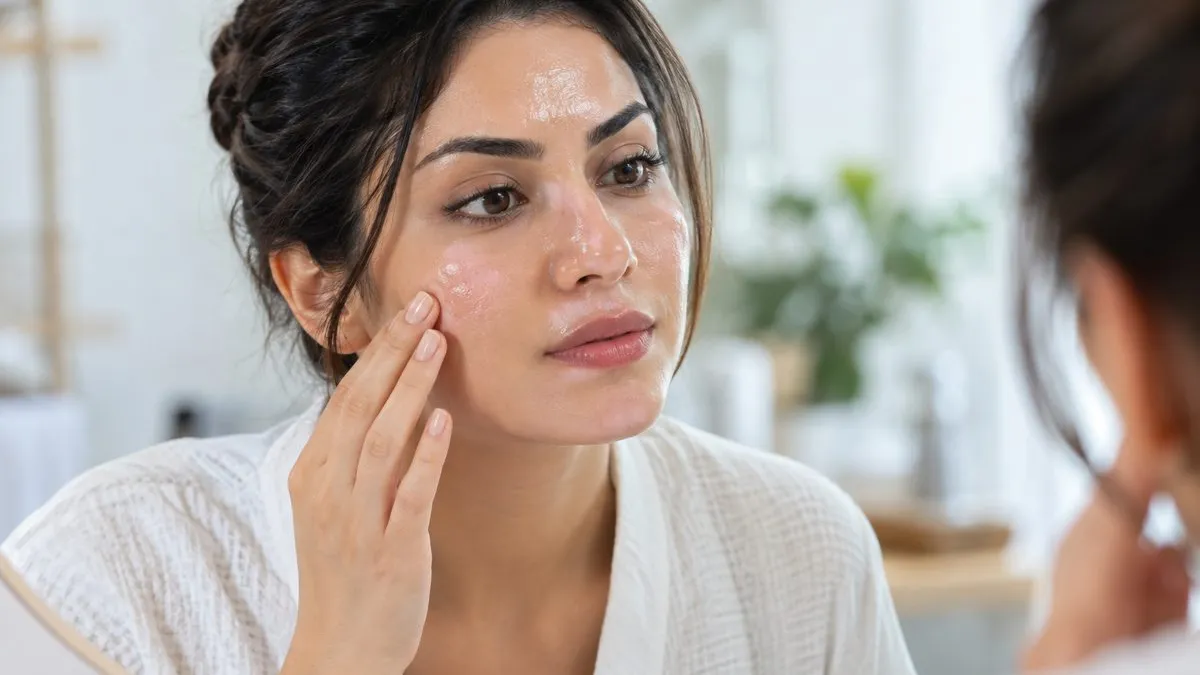
Oily skin: causes and care
Oily skin appears when the sebaceous glands produce an excess amount of sebum, a natural substance that helps protect the skin. The face may look shiny or oily, with possible clogged pores and the appearance of blackheads or pimples. But having oil does not mean you should neglect hydration; balanced care helps reduce shine without drying out or irritating the skin.
What causes oily skin?
The amount of sebum is affected by different factors, including hormonal changes, heredity, and age. Skin type can change over time or because of the weather and certain products. Therefore each person's needs differ, and there is no single prescription that fits everyone.
A simple care routine for oily skin
- Gentle face washing: Use a gentle cleanser, and wash the face no more than twice a day and after sweating. Vigorous scrubbing or harsh cleansers may irritate the skin and worsen the problem.
- Choosing suitable products: Look for products labeled "oil-free" or "non-comedogenic", including moisturizer and sunscreen.
- Use a lightweight moisturizer: Oily skin also needs hydration. Choosing a lightweight, non-comedogenic moisturizer helps maintain the skin's moisture.
- Sun protection: Use a broad-spectrum sunscreen with SPF 30 or higher, preferably one suitable for oily skin.
- Reducing shine during the day: You can use oil-absorbing blotting papers gently, without rubbing the skin.
Common mistakes
Washing the face many times, using harsh alcohol-based products, or vigorously rubbing the skin can lead to irritation and dryness. Also, you should not squeeze pimples, because that may increase inflammation and leave marks. If products containing acids such as salicylic acid cause irritation, stop using them or reduce their use.
If pimples are painful or persistent, or leave scars, it is best to see a dermatologist to determine the appropriate treatment. Daily care helps manage oiliness, but it does not replace treatment when there is a skin problem that requires follow-up.



