Parliament warns: Iran flight ban threatens to cut gas and cost Iraq 40% of power
Parliament warns: Iran flight ban threatens to cut gas and cost Iraq 40% of power
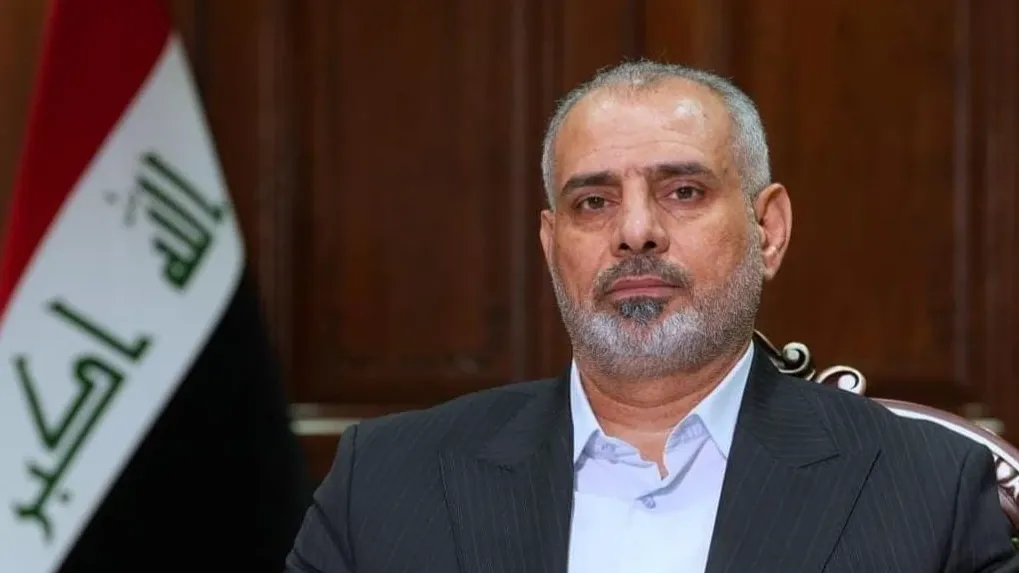
First Deputy Speaker of the Council of Representatives Adnan Fayhan al-Dulaimi on Saturday denounced the Iraqi government’s acquiescence to US Treasury measures regarding a ban on civil aviation with Iran, warning of the consequences of the decision and the possibility that Tehran might reciprocate, which could affect the economic situation and deprive Iraq of gas supplies to power generation plants.
In a statement, al-Dulaimi described Baghdad’s decision in this regard as "hasty and ill-considered," saying it "does not align with the principle of calling for non-alignment and neutrality, and furthermore violates the constitution, as set out in Article 8."
Article Eight of the constitution states that Iraq "upholds the principle of good neighborliness, commits to non-interference in the internal affairs of other states, seeks to resolve disputes by peaceful means, establishes its relations on the basis of mutual interests and reciprocity, and respects its international obligations."
Al-Dulaimi explained that "unilateral American sanctions are not an international obligation for Iraq simply because they were issued by the US, so it is not constitutionally sufficient to say: 'America imposed sanctions, therefore we are bound by them.' Rather, there should be an Iraqi legal basis or an international obligation in force on Iraq that justifies the measure taken against Iran."
He added that "this decision cripples efforts to advance the economic and developmental situation because it has significantly and directly harmed an important sector of the national economy — religious tourism — since Iranian airlines are the main carrier for hundreds of thousands of Iranian and Iraqi visitors between the two countries, especially via Baghdad and Najaf airports."
The first deputy speaker noted that "the ban leads to a direct decline in tourism and commercial revenues, losses for airlines and travel agencies, the halting of tourism companies, and a decrease in revenues from overflight and airspace fees collected by Iraqi aviation authorities in return for providing ground and navigational services."
Al-Dulaimi posed a question to the Iraqi government, saying: "What are your plans to compensate for the damage caused by this decision to the religious tourism sector and those who work in it — company owners, hoteliers and self-employed professionals — whose businesses and livelihoods will be disrupted?"
He continued in his question: "What are your plans if Iran decides to reciprocate and stops supplying Iraq with natural gas, and the electricity system collapses? Iraq would lose a third of its power production; because a complete stoppage would directly cause the loss of approximately 30% to 40% of the national grid's operational capacity. This would mean increased hours of power outages in the capital Baghdad and the central and southern provinces, and paralysis of vital sectors: hospitals, water treatment, filtration and pumping stations, and public service centers."
Al-Dulaimi concluded the statement by saying, "The Council of Representatives is ready to hold an extraordinary session if there is no reversal of this decision, and it has practical steps it will take, as well as oversight measures against entities that violate the constitution."