Coalition withdrawal raises prospect of an air-defense gap in Iraq as calls grow to speed deliveries
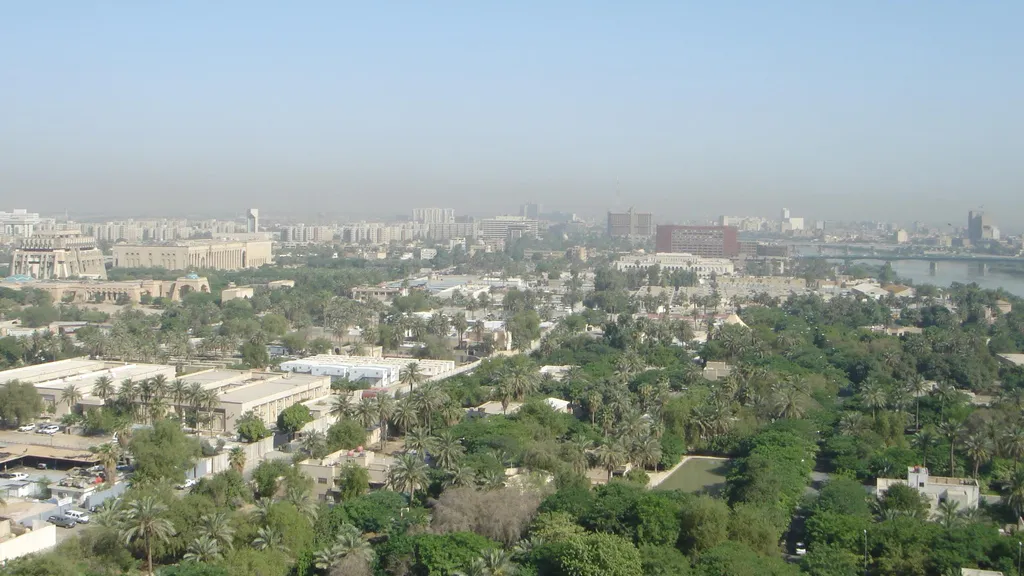
Iraq faces the prospect of an air-defense gap that could last about six months after the coalition withdrew at the end of September, while Kurdish leaders and Baghdad call for speeding up delivery and integration of new systems.
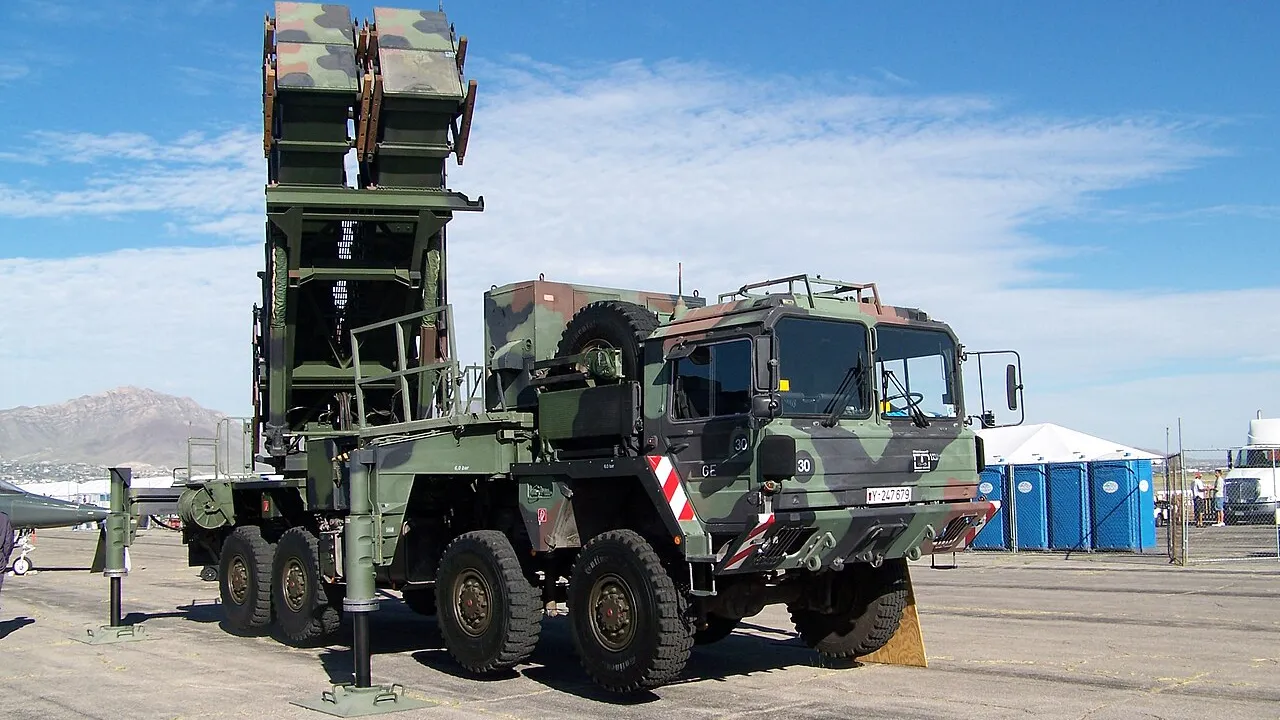
Security and political concerns have emerged in Iraq over a potential gap in the country's air-defense system that could last for about six months, after the international military coalition withdrew from the country at the end of last September and removed systems that had been used to protect areas including the Kurdistan Region.
The federal government says it has concluded agreements to purchase new defensive equipment, but official and unofficial estimates indicate that the first of these systems may not arrive before the start of next year. Military experts add that integrating the equipment, setting up command-and-control systems and training personnel could take about three additional months, extending the actual period during which aerial gaps may persist.
In a related development, Kurdistan Region President Nechirvan Barzani, speaking at a forum of the Middle East Research Institute in Erbil, called for effective air-defense coverage that includes both federal Iraq and the Region together, affirmed the state's ability to "stand on its own feet," and urged Baghdad to speed up procedures and ensure weapons remain in the hands of the state.
These calls have taken on added urgency after a camp for Iranian Kurdish refugees near Erbil was attacked last week by two explosive-laden drones. The attack caused no injuries but revived fears that defense gaps could be exploited to carry out similar strikes.
Observers say handling this issue is an early test of the government's ability to manage the post-withdrawal phase, while political debate continues over the extent of reliance on bilateral agreements in areas of armament, training and intelligence sharing.