Benefits of Sunglasses in Extremely Hot Regions and Their Importance for Eye Health
Benefits of sunglasses in extremely hot regions and their importance for protecting eye health
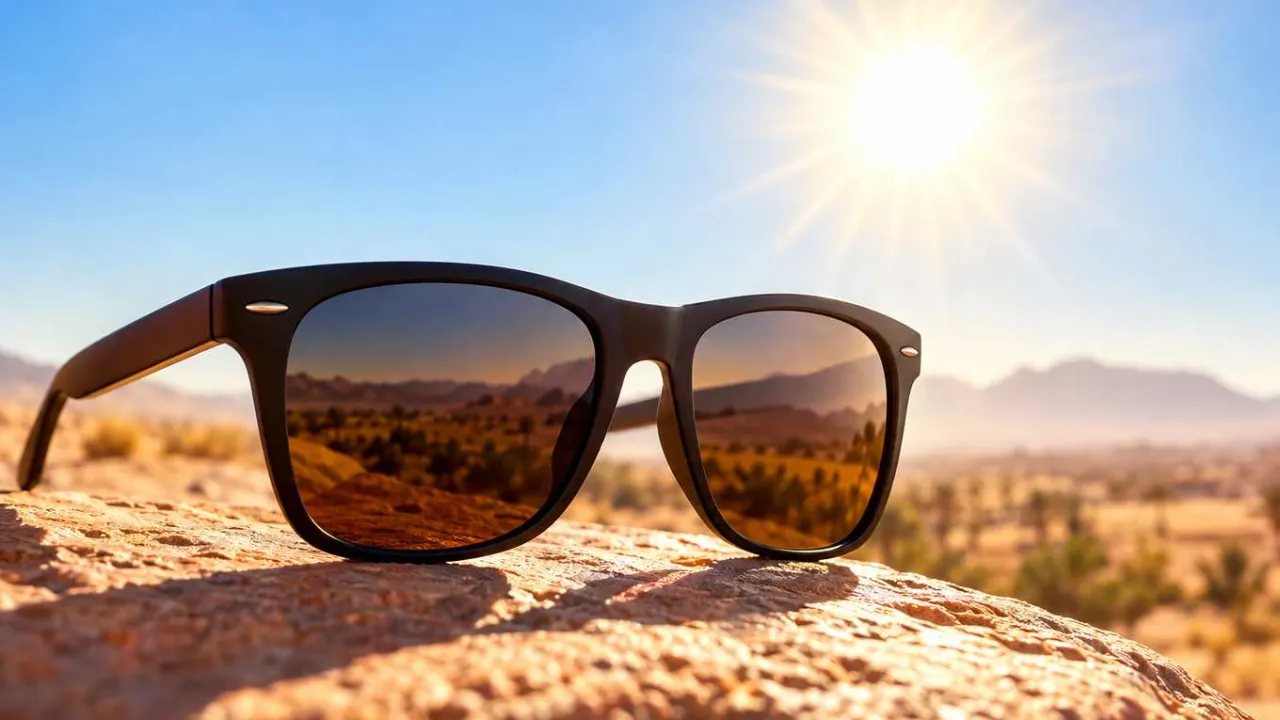
Benefits of sunglasses in extremely hot regions around the world: eye protection that goes beyond appearance and style
Al-Wasat (Iraq) newspaper – Health & Science
As temperatures rise in many parts of the world, especially in Iraq, the Gulf countries and desert areas, sunglasses become more than an accessory used to complete an outfit; they play an important role in protecting the eyes from harmful sunlight and reducing discomfort from intense light and bright reflections.
Although some believe sunglasses are only for summer, their health importance extends across seasons, especially in places exposed to high levels of ultraviolet radiation.
So what are the real benefits of sunglasses? How do they help protect the eyes in extremely hot regions? And what specifications should you look for before buying?
First: protection from ultraviolet radiation
Protection from ultraviolet radiation, commonly abbreviated UV, is the most important health benefit of good sunglasses.
The ultraviolet radiation relevant to eye health is mainly of two types, UVA and UVB, and excessive exposure to both can cause cumulative damage to eye tissues.
Sunglasses with appropriate filters help reduce the amount of these rays reaching the eyes, which contributes to preventing some health problems associated with long-term sun exposure.
It is important to distinguish between ambient temperature and UV levels; higher air temperature does not necessarily mean the same increase in harmful radiation, and UV can be strong even in moderate or cold conditions.
Second: reduced risk of cataract
Cataract, medically known as lens opacity, is one of the most prominent vision problems associated with aging.
The World Health Organization indicates that chronic exposure to ultraviolet radiation is one of the risk factors that may contribute to developing some forms of cataract.
Sunglasses that provide high protection from ultraviolet radiation help reduce this exposure over the years.
This protection is especially important for people who work outdoors, such as farmers, construction workers, vehicle drivers and professions that require staying under the sun for long hours.
Third: reducing glare and improving visual comfort
In desert areas and cities with strong sunlight, reflections from roads, buildings and water surfaces can become a source of visual discomfort.
Sunglasses help reduce the intensity of light entering the eye, which contributes to:
- lessening the sensation of being dazzled when exposed to bright sunlight.
- improving comfort while walking and during outdoor activities.
- reducing the constant need to squint because of intense light.
- improving clarity of vision in some conditions of severe reflections.
Polarized lenses are especially useful in reducing glare reflected from horizontal surfaces, such as roads and water.
However, this feature does not automatically mean the sunglasses provide UV protection, so it is important to ensure there is an independent and effective UV filter.
Fourth: eye protection in desert environments
Large areas of Iraq, the Arabian Peninsula and North Africa are characterized by desert environments exposed to strong sunlight, along with wind and dust at times.
In these conditions, appropriate sunglasses can provide additional benefits, especially when they are large or wrap around the sides of the face.
This design helps reduce peripheral light entry and provides a partial barrier against wind and flying dust.
However, ordinary sunglasses do not replace sealed protective goggles during severe sandstorms.
Fifth: reducing the risk of some sun-related conditions
The harms of ultraviolet radiation are not limited to the skin; they can also affect the eye surface and surrounding tissues.
Prominent conditions associated with excessive exposure to these rays include:
Pterygium: a growth of tissue on the eye surface linked to chronic sun exposure, which can affect vision if it extends toward the cornea.
Photokeratitis: a painful condition that can occur after intense short-term exposure to ultraviolet radiation.
Some tumors around the eye: repeated exposure to ultraviolet radiation is associated with an increased risk of certain types of skin cancer that affect the skin around the eye.
Therefore protecting the eyes and the skin around them is an important part of daily health prevention measures.
Sixth: the importance of sunglasses for children
Parents may focus on protecting their children’s skin from the sun, but protecting their eyes is equally important.
Children’s eyes are more sensitive to some effects of ultraviolet radiation, and sun exposure accumulates over the years.
It is recommended to choose age-appropriate sunglasses that are comfortable and secure on the face and provide real UV protection, rather than relying on sunglasses made for decoration only.
Are sunglasses necessary in Iraq and the Gulf?
Sunglasses take on special importance in countries that experience long periods of strong solar radiation, including Iraq, Saudi Arabia, Kuwait, the UAE and Qatar, as well as desert regions in Africa and Australia.
In cities such as Baghdad, Basra, Kuwait City and Riyadh, residents may face a combination of high heat and intense sunlight during summer days.
But the level of protection required depends primarily on UV intensity and the duration of exposure, not on air temperature alone.
The importance of sunglasses increases for people who spend long hours outdoors or away from homes and offices, whether for work, commuting or sports activities.
How to choose the right sunglasses?
Specialists recommend considering a set of basic specifications when buying sunglasses:
- UV400 protection: choose glasses that carry this label or provide 99–100% protection from UVA and UVB rays.
- Wide coverage: prefer frames that cover a good area around the eyes and reduce side entry of light.
- Comfortable lenses: select the appropriate tint level for the nature of the activity and lighting.
- Polarized lenses when needed: to benefit from reduced glare while driving or during activities near water.
- Reliable quality: verify the level of protection and do not rely on high price or brand name alone.
A common mistake is believing that very dark lenses automatically provide better protection; lens color does not prove the ability to block ultraviolet radiation.
Optical shops that have specialized testing devices can be used to verify protection levels if there is doubt about a pair’s quality.
Are sunglasses alone enough?
Despite their important benefits, sunglasses do not provide complete protection from all effects of sun exposure and heat.
Therefore it is recommended to wear a wide-brimmed hat, stay in the shade when UV is strong, and reduce direct sun exposure during peak hours.
You should also drink sufficient water and follow measures to prevent heat stress, since sunglasses do not prevent body overheating or heatstroke.
The World Health Organization recommends taking sun protection measures when the UV index reaches level 3 or higher.
Conclusion: a small investment in eye health
Sunglasses are no longer just a fashion detail; they have become an important preventive tool, especially for people living or working in sunny, extremely hot areas.
The right choice of sunglasses helps protect the eyes from ultraviolet radiation, reduces discomfort from glare, and may help lower the chances of developing some eye conditions linked to chronic sun exposure.
The most important rule remains that a good pair of sunglasses is not necessarily the most expensive or the darkest, but the one that provides reliable and appropriate protection for the eyes.
Medical sources used in preparing this piece:
World Health Organization: Health effects of ultraviolet radiation on the eye.
U.S. National Eye Institute: Sun protection and specifications for suitable sunglasses.
World Health Organization: choosing UV400 sunglasses and sun protection measures.



