Trump threatens renewed military action against Iran amid escalation of attacks in the Strait of Hormuz
Trump threatened to make a decision "very, very soon" regarding Iran, as attacks on ships in the Strait of Hormuz increased between October 5 and 11, and diplomatic and military tensions in the region escalate.
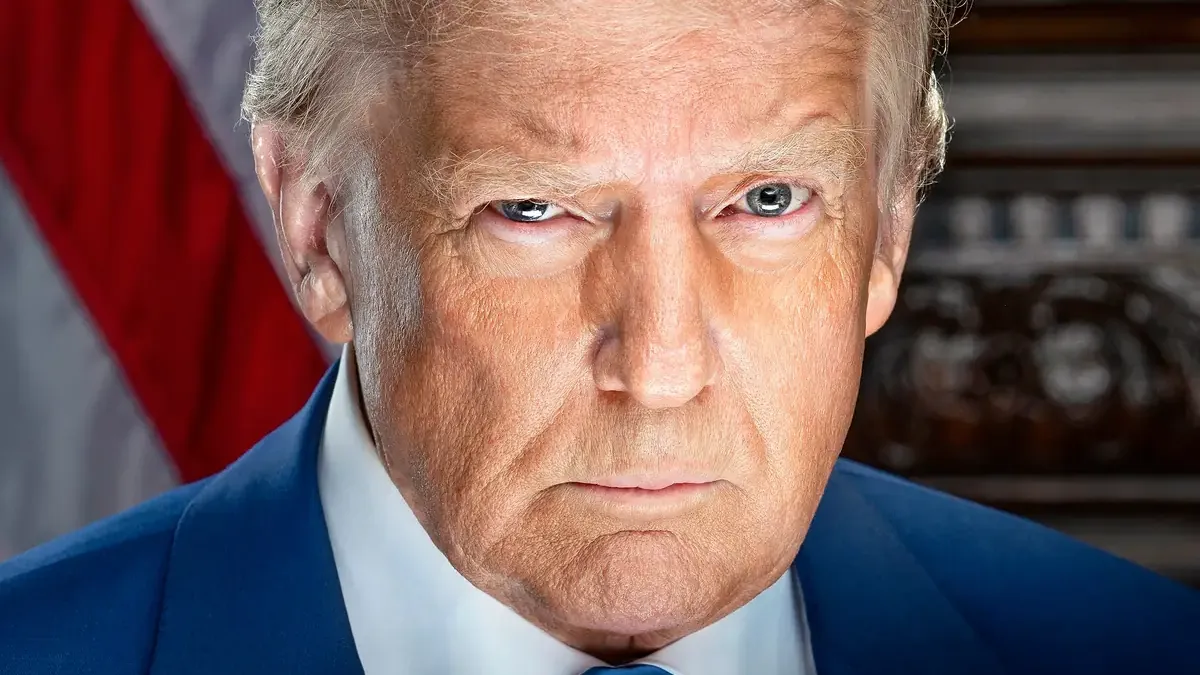
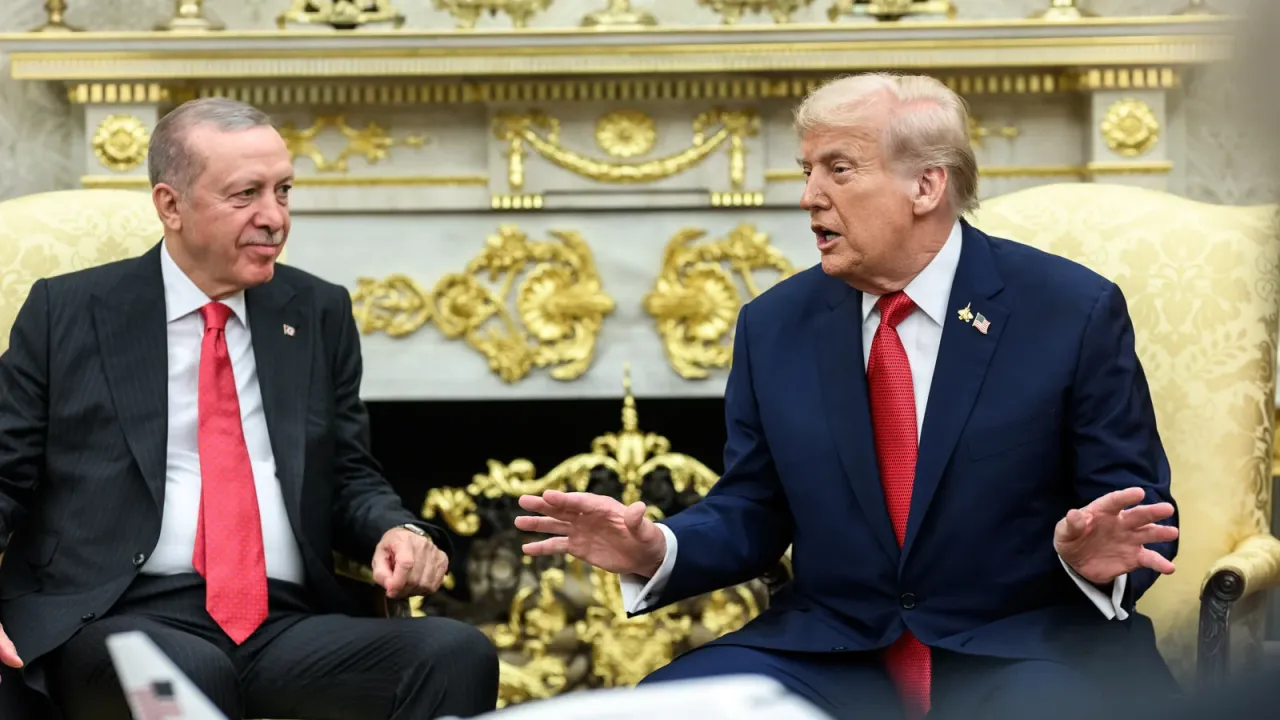
President Donald Trump threatened renewed military action against Iran, saying a decision on Tehran would be made "very, very soon," as attacks targeting commercial ships around the Strait of Hormuz have escalated in recent days.
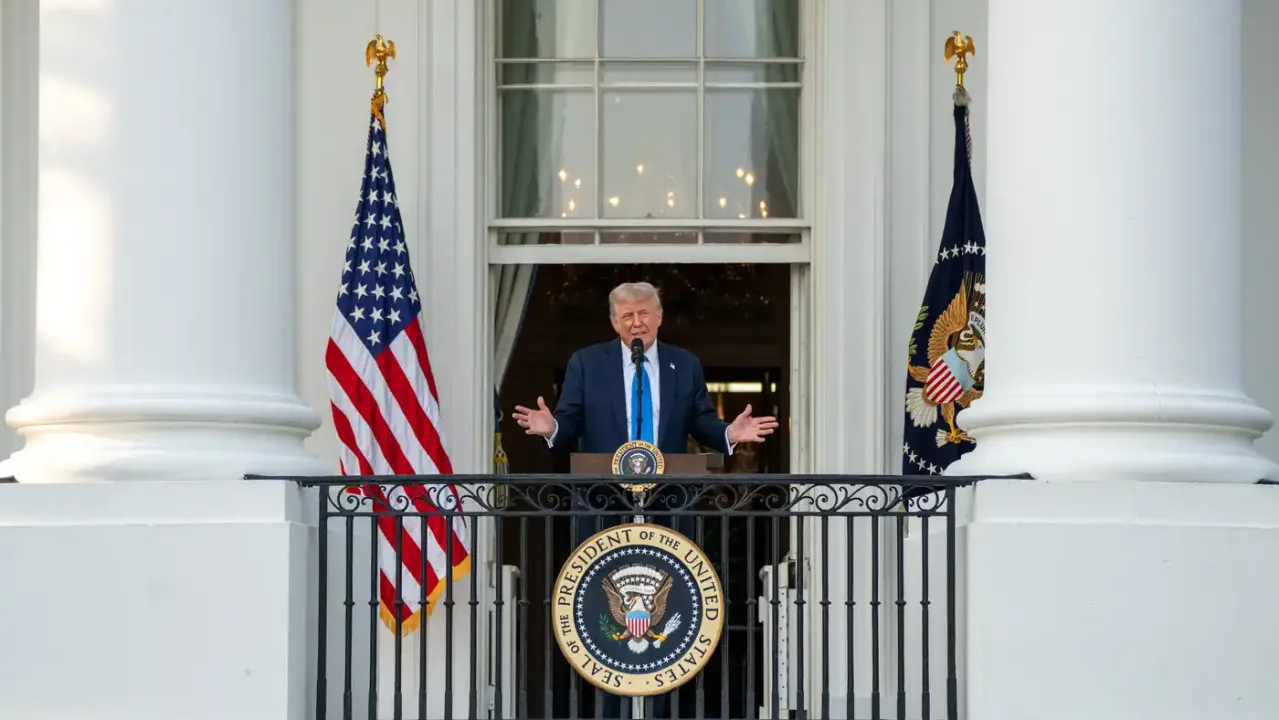
Trump addressed reporters outside the White House on Tuesday evening before heading to Alaska, describing Iran as a "failed state" suffering from a "ravaged economy," high inflation and difficulty paying its forces' salaries, and reiterated, "we will make a decision on Iran very, very soon," without specifying the nature of the move. At a campaign rally in Wasilla, Alaska, the president raised his tone, saying, "wait until you see what we will do to Iran," expressing that Washington was "almost fed up" with Tehran's behavior, and again asserting that Iran "will not have a nuclear weapon," calling its nuclear facilities "buried under tons of rock."
Iranian officials said Tehran is using new tactics against ships it considers in violation of its restrictions in the Strait of Hormuz, aiming to keep oil prices high ahead of the U.S. midterm elections on November 3, with one official saying the goal is to thwart attempts by the United States and its allies to lower prices.
According to independent maritime monitoring, at least 12 ships were attacked around Hormuz and the Gulf between October 5 and 11, including six ships on Sunday alone. A tanker and a container ship were reported hit by unidentified projectiles on Tuesday, in one of the most intense periods since the start of the war.
U.S. Central Command said U.S. forces and their partners in the region "clearly control the Strait of Hormuz," noting that they helped Gulf partners ship more than 19 million barrels of oil through the strait in a single day, responding to claims by commanders of Iran's Islamic Revolutionary Guard Corps who said they control the waterway.
Tehran rejected the latest U.S. response to a mediated de-escalation proposal as insufficient, and Mohsen Rezaee, secretary of Iran's Supreme National Security Council, warned of the possibility of expanding responses to include digital infrastructure if pressures escalate.
Last week Trump said he would not launch a new attack on Iran before the midterm elections, a pledge observers are watching as maritime attacks continue. Analysts say Tehran may exploit the pre-election window to raise shipping and insurance costs, while Washington insists on continuing the maritime containment and sanctions.
The issue intersects with previous internal U.S. administration debates over resuming military pressure or relying solely on economic tools, after Trump and Benjamin Netanyahu discussed Iran-related options ahead of the vote, according to a report followed by Al-Wasat.
Until the anticipated decision is announced, Gulf energy and navigation markets remain hostage to the rhythm of attacks and responses, with observers waiting to see whether Washington will choose military escalation after the vote or continue only economic and maritime pressure.
Read alsoTrump: decision on Iran "very, very soon" and he calls its economy collapsed