Trump threatens US strikes and pressures al-Zaidi to implement arms control
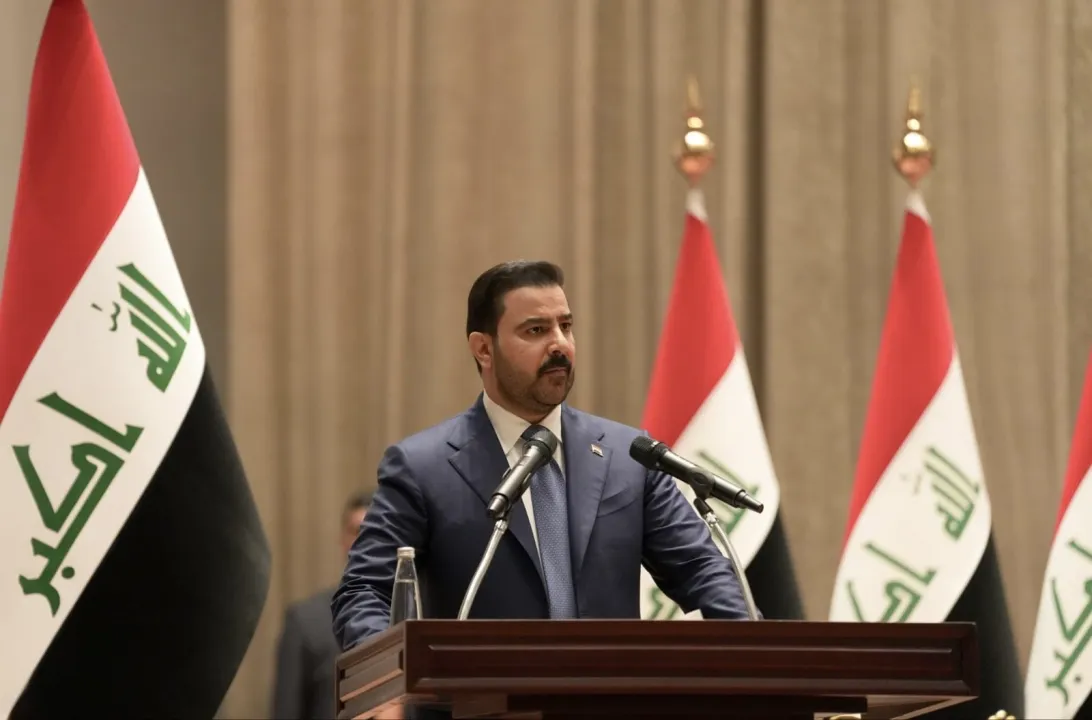
Informed sources say the U.S. president told Prime Minister Ali al-Zaidi that Washington may target armed factions and their leaders if they participate in any confrontation backed by Iran, while promising support to Baghdad to implement placing weapons under state control.
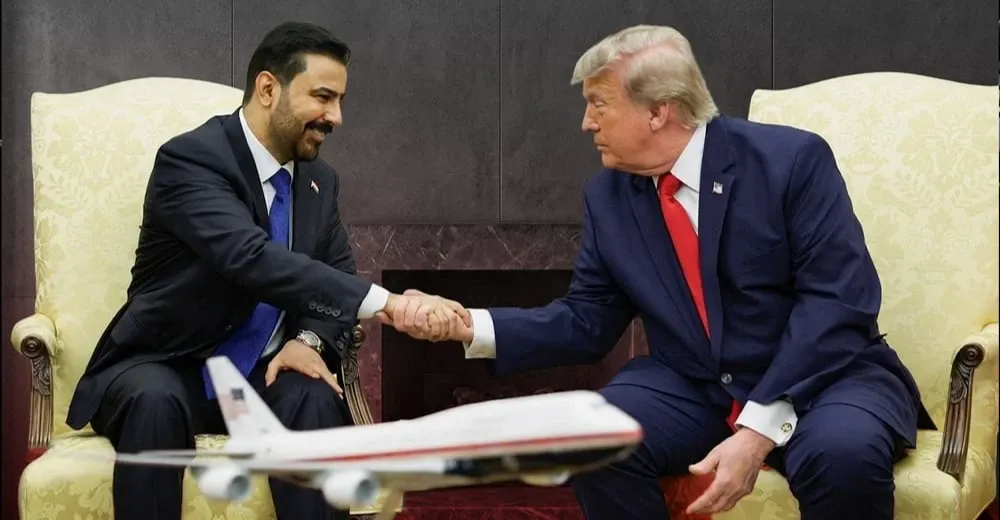
Privileged sources revealed on Saturday details of a phone call last Thursday between U.S. President Donald Trump and Iraqi Prime Minister Ali al-Zaidi, in which Washington conveyed threats to carry out powerful military strikes against armed factions and their leaders if those factions took part in any war that might resume with Iranian support.
The sources said Trump told al-Zaidi that the United States would target those factions and their leaders if they decided to participate in a new confrontation, explaining that the threat was accompanied by a U.S. offer to provide various forms of support and backing to Baghdad to pursue the effort to place weapons under state control.
The sources added that the U.S. president stressed the need to move forward in implementing this dossier and not to retreat or procrastinate, warning that any new retreat or delay in the arms-control file would prompt Washington to reassess the level of its support for al-Zaidi and his government.
At the same time, informed political sources confirmed that Washington has intensified messages to political forces and the government regarding the arms-control file, and that the Chargé d'Affaires at the U.S. Embassy in Iraq, Stephen Fagan, delivered direct messages in recent days to government and political figures in which he stated that Washington is monitoring the steps for implementing this file.
According to a source familiar with the details of the work of the quadripartite committee tasked with negotiating with the factions, Prime Minister Ali al-Zaidi intervened in the negotiation channels by holding separate meetings with some leaders of groups refusing to hand over weapons, seeking to contain the crisis.
More than two months ago the Coordination Framework formed a tripartite committee that later became a quadripartite committee aimed at containing the repercussions of the arms-control file, and this committee has engaged in a series of dialogues and discussions with the concerned factions during the past period.
The project to place weapons under state control does not have the consensus of Iraqi factions, as Harakat al-Nujaba, Kata'ib Hezbollah and Kata'ib Sayyid al-Shuhada, along with other factions, have announced their refusal to relinquish their military capabilities, according to the sources.