UN Resident Coordinator in Iraq Affirms Continued Partnership and Calls for Building
Peter Hawkins reaffirmed the UN's commitment to continue partnering with Iraq to support peace and development, and noted opportunities to keep building by improving services and empowering women and youth.
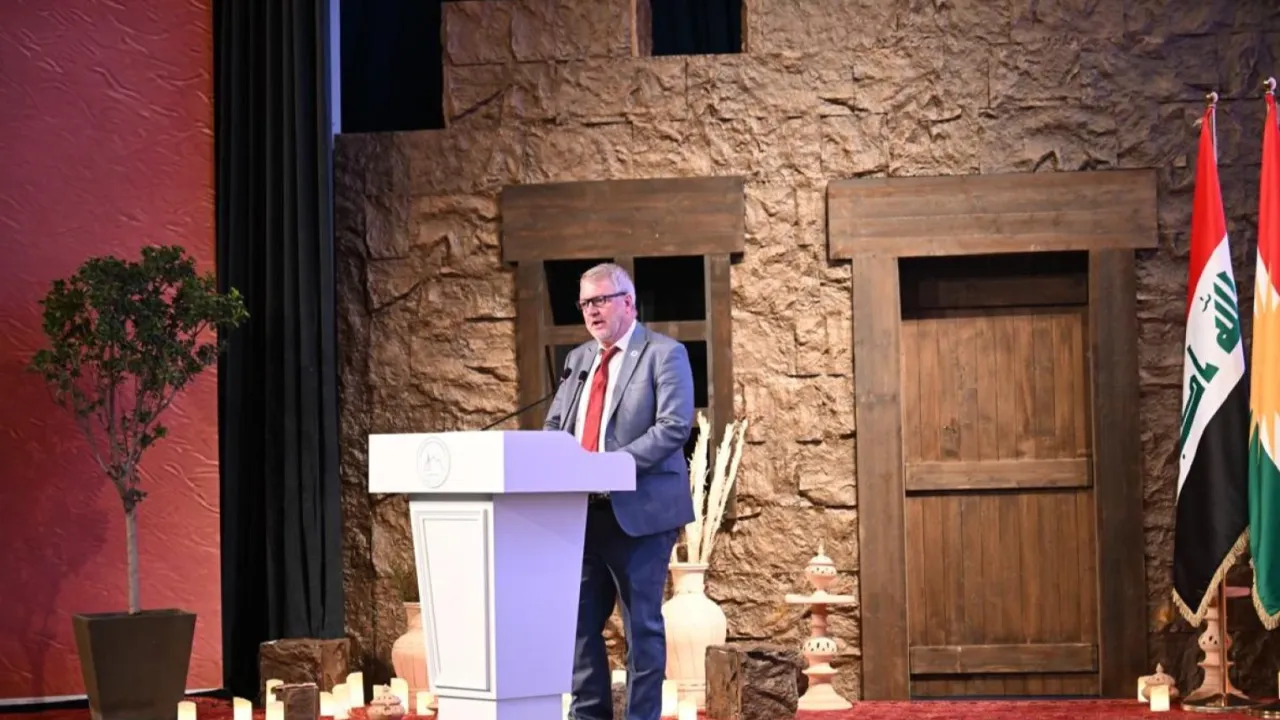
The United Nations Resident Coordinator in Iraq, Peter Hawkins, affirmed in a statement on the occasion of United Nations Day the organization’s continued commitment to partner with Iraq and support its people, and to work with the government and local communities to achieve sustainable results that promote peace and sustainable development.
Hawkins said the UN’s partnership with Iraq spans decades and has evolved alongside the transformations the country has experienced, noting that the organization has supported Iraqis in difficult times, backed reconstruction efforts and the strengthening of national institutions, while maintaining a steady goal of improving people’s lives.
He explained that ongoing work with partners focuses on supporting the development of education, healthcare and public services and expanding opportunities for decent work, in addition to empowering women and youth to achieve their ambitions, and supporting efforts to provide protection and durable solutions for refugees and displaced families.
He also pointed to continued support for local communities in confronting water scarcity and the impacts of climate change, stressing that Iraq has opportunities to build on what has been achieved, and that real progress is measured by what people experience in their daily lives in terms of the quality of services and the opportunities that allow them to fulfill their aspirations and plan their future with confidence.
Hawkins emphasized the importance of expanding opportunities for women and girls to participate effectively in leadership and decision-making, empowering young people to apply their skills and energies, and providing local communities with the resources and capacities needed to strengthen their ability to adapt to climate change.