U.S. State Department: Supports Iraq's sovereignty and security economically, rejects a role for Iran
The State Department said its strategy focuses on supporting Iraq's sovereignty and bolstering its security and economic stability, and accused Iran of exploiting armed factions to seize Iraqis' resources.
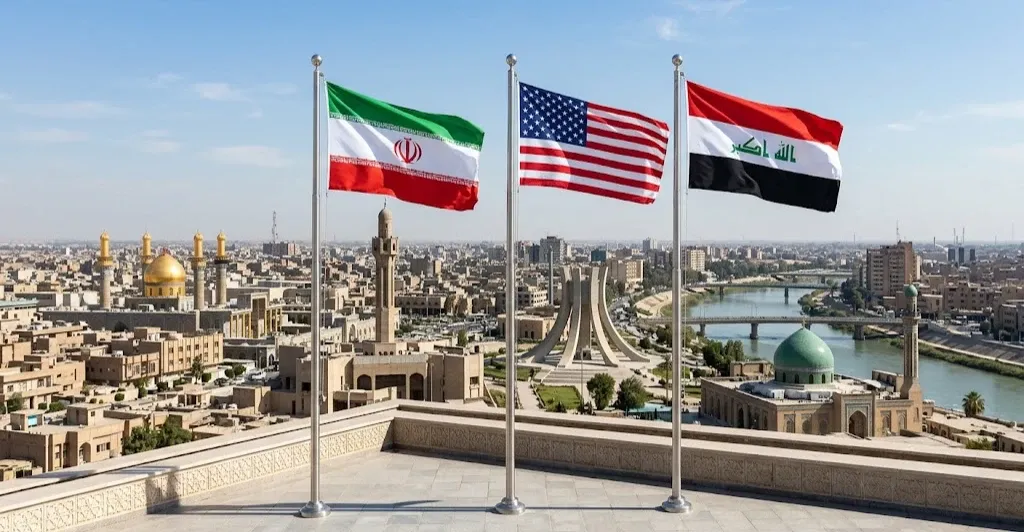
The U.S. State Department on Friday announced that Washington's strategy toward Iraq is based on supporting its sovereignty and strengthening its security and economic stability, saying that Iran "has no role it can play" in achieving these goals and accusing Tehran of exploiting armed factions to seize the Iraqi people's resources.
The U.S. stance came in response to a question about how to balance supporting Iraq's security independence and economic stability on the one hand, and concerns about Iranian influence and sanctions related to the borders on the other.
A State Department spokesman said, "U.S. efforts to stabilize the region focus on ensuring that countries retain their sovereignty and their ability to achieve security through mutually beneficial economic prosperity," adding that the United States' objective has not changed and is an Iraq that enjoys sovereignty, security and prosperity.
In response to discussion about Iranian influence, the spokesman accused Tehran of being an "untrustworthy" actor and said it has a history of using Iraqi armed factions to serve its interests at the expense of Iraqis, demanding that Iran not have a role in supporting Iraq's sovereignty or its economic stability.
The United States is, according to government officials, pressuring Baghdad to reduce economic transactions with Iran and to tighten oversight of border crossings as part of the sanctions Washington imposes on Tehran.
The closure of the al-Shib border crossing with Iran in Maysan province sparked local protests and calls to reopen it, amid warnings about the decision's impact on trade, while Iraqi authorities said the closure was for technical and security reasons and Iran linked it to U.S. pressure.
Prime Minister Ali Falih al-Zaidi said that a complete closure of the borders with Iran does not serve the interests of either country, against the backdrop of an ongoing dispute over border measures and trade relations between Baghdad and Tehran.