U.S. Treasury Adds Individuals, Companies and Ships to Iran-Linked Sanctions
The Office of Foreign Assets Control added individuals, companies and vessels to Iran-related sanctions lists, updating previously listed names and warning of a 'shadow fleet' using fake maritime flags and potential secondary sanctions.
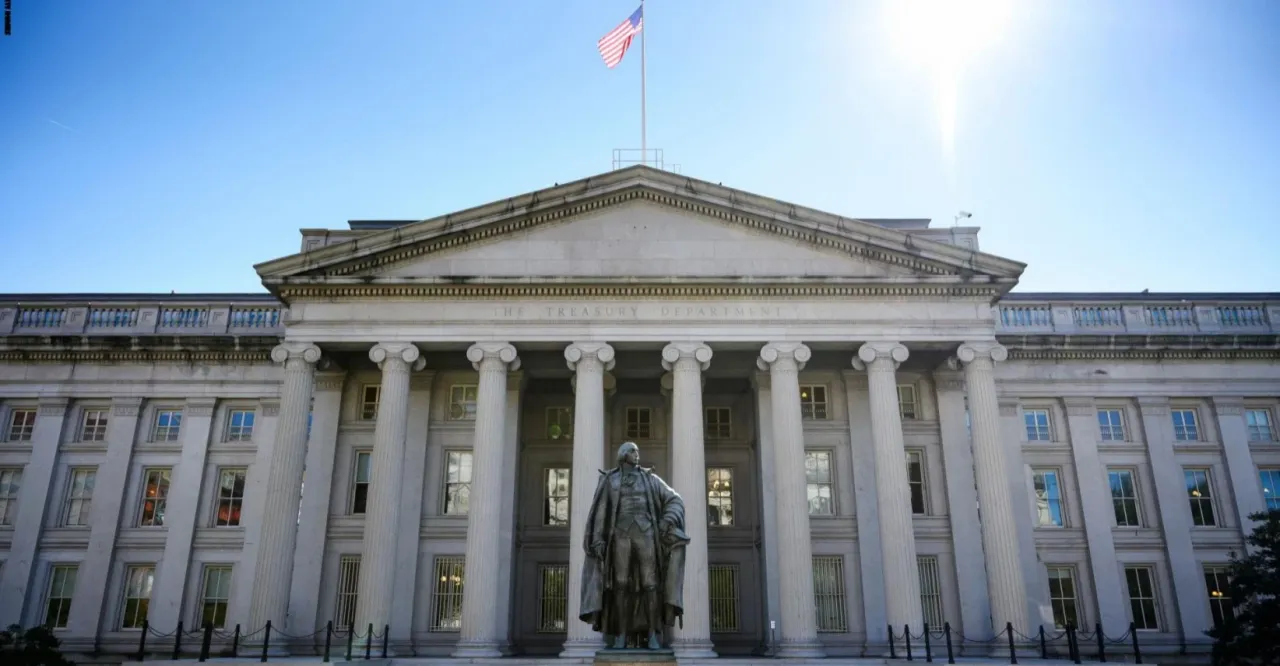
The Office of Foreign Assets Control (OFAC) at the U.S. Treasury announced on Wednesday evening the addition of new individuals, companies and vessels to sanctions lists connected to Iran, updating previously listed names and entities and issuing a warning about the use of what the department described as an Iranian "shadow fleet" using fake maritime flags to evade sanctions.
The statement said the actions include individuals and companies in India, Russia, Turkey and Singapore accused of links to commercial, maritime and financial networks connected to Iran, in addition to entities involved in ship management, maritime transport and logistics services.
The office added new entities to the sanctions lists, including companies, individuals, cargo ships and oil and gas tankers operating under the flags of various countries, and issued a warning that parties dealing with them could be exposed to secondary sanctions under U.S. Executive Order 13902.
The updates included Iraqi names and institutions, among them Ali Maarij al-Bahadli, born in Maysan Province in 1966 and residing in Baghdad and Amarah; the sanctions listing noted his connection to a person named Salim Ahmed Said.
Also named were Abdul Hassan Ali Akbar Namdar al-Mandlawi, who holds Iraqi and Canadian citizenship and resides in Dubai, added to the lists with a secondary sanctions warning for his ties to the UAE-based company "Shams wa Bahr Trading," and Majid Ali Akbar Namdar al-Mandlawi, who holds Turkish citizenship and was subject to the same additions related to that company.
The update also included Walid Khalid Hamid al-Samarra'i and Thumud Muhammad Mohsen al-Azzawi, both Iraqis born in Baghdad, according to the listing data.
The list included two Iraqi banking institutions: the International Development Bank for Investment and Finance, based in Baghdad, which was issued a warning about the risk of exposure to secondary sanctions, and the Islamic Regional Cooperation Bank, listed at an address in the al-Arsat area of the capital, which has banking ties with Iran and was given the same warning.
Treasury data indicates that the Development Bank was subject to U.S. punitive measures last month as part of efforts to counter networks the department says help Tehran evade sanctions; the Treasury also sanctioned Deputy Oil Minister Ali al-Bahadli in May, accusing him of exploiting his position to facilitate transfers of Iraqi oil for the benefit of the Iranian regime and armed factions.
These moves are part of an economic pressure campaign launched by the Treasury in August aimed at cutting off funding sources for Tehran's war activities, missile development, cyberattacks and support for the Islamic Revolutionary Guard Corps, which the United States designates as a terrorist organization.