Al-Zaidi calls for flexible diplomacy and resilient economy, stresses importance of partnership with Saudi Arabia
In an article published Tuesday, Prime Minister Ali al-Zaidi said Iraq needs flexible diplomacy and a more crisis-resilient economy, and stressed the strategic importance of a partnership with Saudi Arabia as his Gulf tour begins tomorrow.
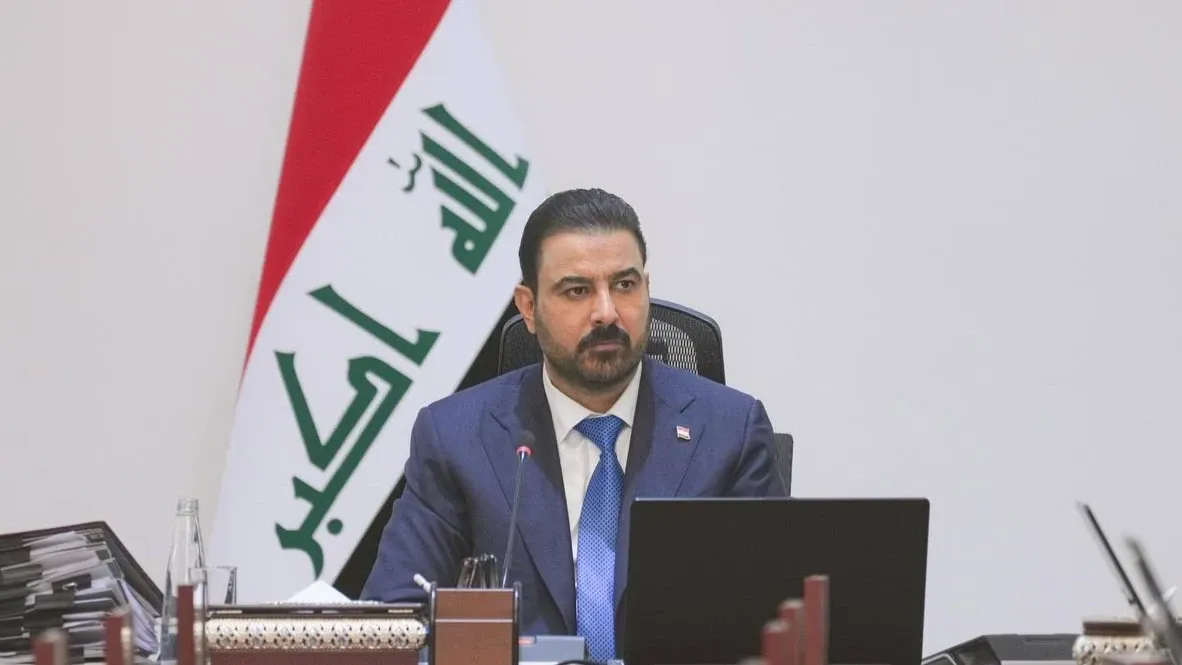
In an article published on Tuesday, Iraqi Prime Minister Ali al-Zaidi called for adopting flexible diplomacy and an economy better able to withstand crises, stressing that partnership with the Kingdom of Saudi Arabia represents a strategic importance for Iraq.
Al-Zaidi said that the parade of the armed forces and security formations on “Sovereignty Day” highlights the national responsibility to preserve the country’s security and stability, explaining that the concept of sovereignty goes beyond celebration to become a daily duty in managing state affairs, protecting the people’s interests and organizing foreign relations.
He added that the approach to foreign policy should be based on diplomatic and economic flexibility, and that “Iraqi-Saudi” relations carry shared political and economic weight as well as Arab, geographic and security ties that give them special importance. He noted that Baghdad and Riyadh have made progress in rebuilding trust and opening channels of cooperation, paving the way for a more advanced phase of bilateral relations.
He stressed that Iraq’s security and Saudi Arabia’s stability are linked to the security and stability of the Gulf and the region, while emphasizing respect for mutual sovereignty and each state’s right to make decisions according to its national interests.
Al-Zaidi discussed Iraq’s geographic position and the diversity of its regional and international ties, saying these give the country the opportunity to be a bridge for communication and a meeting point for dialogue rather than turning into a battlefield or a launchpad for threats to neighbors. He affirmed Iraq’s potential to act as a mediator between regional powers through dialogue, provided it adopts a balanced approach and avoids aligning with competing blocs.
On the economic front, Al-Zaidi criticized the impact of disruptions that markets experienced and the interruption of trade movement and energy supplies as a result of the closing of the Strait of Hormuz, saying these events damaged regional economies and highlighted the need to diversify trade routes and not rely on a single corridor.
He said Iraq needs a more resilient economy based on diversifying income sources, expanding trade outlets, developing transport and infrastructure, strengthening industry and agriculture, and opening the door to the private sector and investment.
He referred to the “Road to Development” project and commercial and transport connectivity with the Gulf states, describing them as an opportunity to expand Iraq’s economic role and link it to regional and international markets.
He affirmed that state stability is an essential condition for attracting investments, and that this requires clear laws and institutions capable of protecting rights, enforcing contracts, combating corruption, streamlining procedures and strengthening the rule of law.
Al-Zaidi concluded by saying that Baghdad and Riyadh can establish a new phase of rapprochement based on partnership and joint planning, expressing hope that stability in relations between the two countries will contribute to broader stability and greater integration in the Gulf and the region.
He noted that his Gulf tour will begin tomorrow, Wednesday, with a visit to Saudi Arabia followed by a trip to Kuwait, after a visit to Riyadh that had been scheduled for July was canceled amid rapidly unfolding security developments in the region.