40 US companies waiting... Iraqi "intense" negotiations to settle militias' weapons file
40 US companies waiting... Iraqi "intense" negotiations to settle militias' weapons file
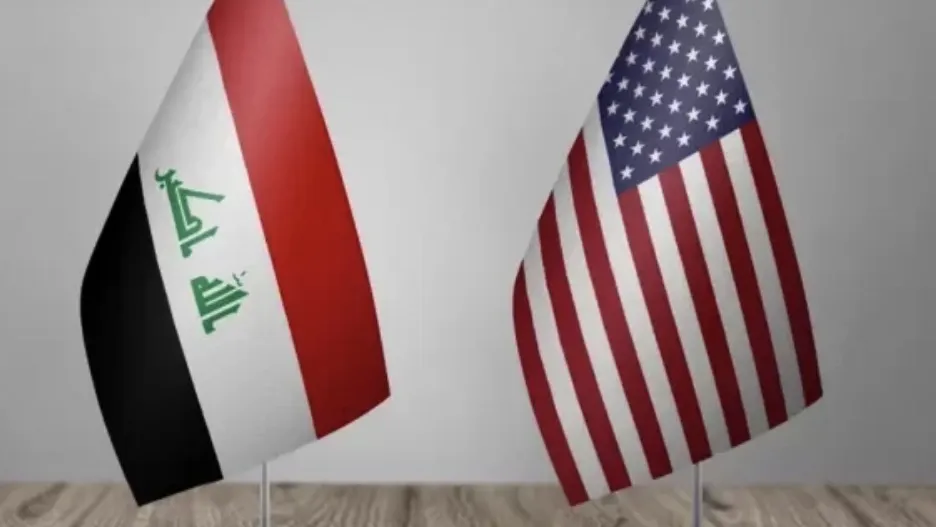
A well-informed source revealed on Saturday that meetings continue between the Quad Committee and leaders of the armed resistance factions, aiming to reach final agreements on managing, storing and regulating weapons, confirming that resolving this file paves the way for more than 40 American companies to enter Iraq to start their projects.
The source said that "Iraqi Prime Minister Ali al-Zaidi asked the political leaders in the Coordination Framework, specifically the Quad Committee responsible for negotiating with the factions, to intensify dialogues and meetings to reach understandings that end the controversy over the management and regulation of weapons, in a way that aligns with the interests of Iraq and the region."
He added that "Washington asked al-Zaidi for guarantees that the American companies, numbering more than 40 investment firms across various fields, will not be targeted by the resistance factions."
According to the source, an important meeting will be held under the auspices of the prime minister after his return from Washington, between the Quad Committee emerging from the Coordination Framework and the leaders of the factions reluctant to hand over weapons, in the presence of the Iranian ambassador or his representative, to discuss formally inventorying and regulating the management of weapons and to guarantee that the American companies that will arrive in Iraq after the official withdrawal of US forces from the country will not be targeted.
He indicated that "the meeting will also discuss the issue of integrating members of those factions into the Popular Mobilization Authority within three months," noting that "the leaders of the factions reject that, but their position may change after the meeting, and everyone is counting on that."
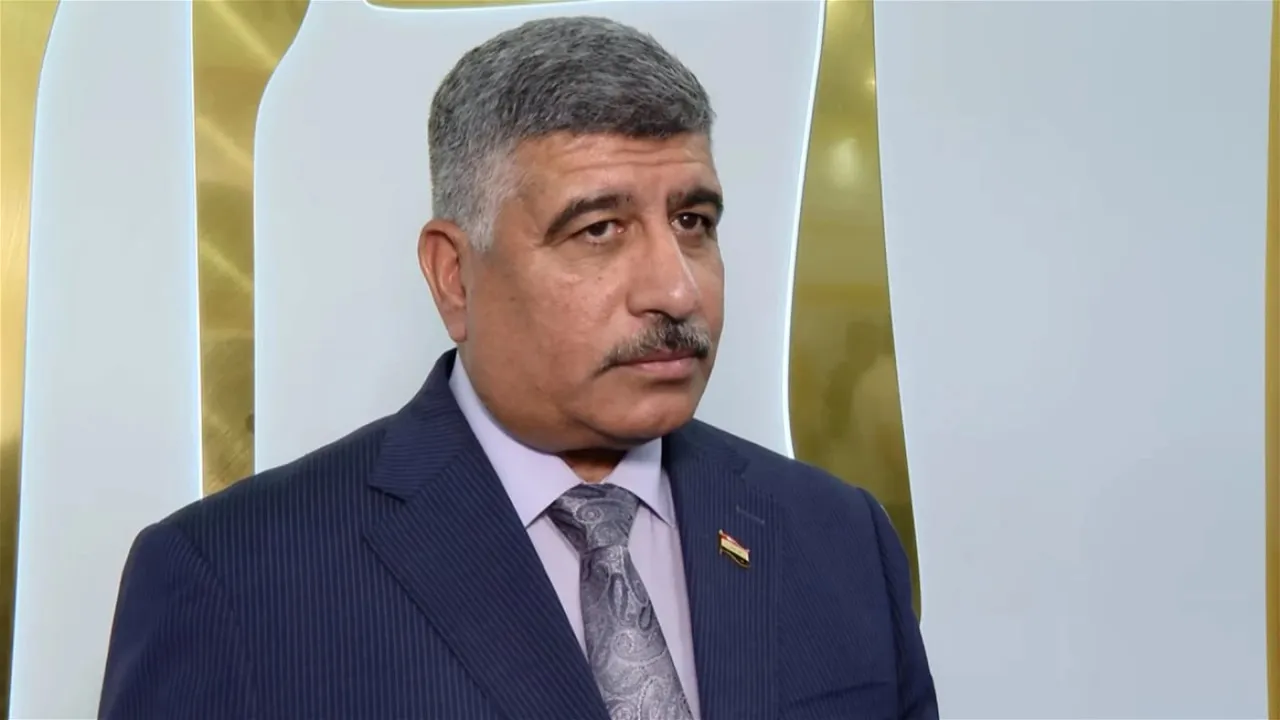
For his part, Abdulrahman al-Jazaeri, a leader in the National Oath Current affiliated with the State of Law Coalition, affirmed that "the leaders of the four factions being negotiated with by the Quad Committee demanded legislation of a special law by Parliament to inventory, manage and regulate weapons, so that it acquires legal and official status and preserves the rights of those factions under a single designation within the Popular Mobilization Authority."
Al-Jazaeri explained that "the weapons inventory file has become directly linked to the Iraqi–American relationship, as it is no longer an internal issue."
He added that "the prime minister will work after his return to accelerate procedures to complete the ministerial cabinet, particularly the ministries of interior and defense, on the basis that the withdrawal, according to the approved protocol, requires that the handover and American withdrawal be carried out through signing an official protocol with the ministers concerned with the security file; therefore the ministers of interior and defense must be selected."
In a speech to the United Nations General Assembly yesterday, Friday, Iraqi Prime Minister Ali al-Zaidi affirmed that one of his government's priorities is for the state to be the decision-maker in peace and war, stressing that weapons and instruments of force must remain in the hands of constitutional state institutions, and that the law should be the arbiter and the national interest the compass.
The file of the armed factions is among the most sensitive issues facing the Iraqi government as the September 30 deadline approaches, which the main political forces set as the limit for confining weapons to official institutions.
The State Administration Coalition, which includes the leading Shiite, Sunni and Kurdish political forces, affirmed during its meeting on August 5 the necessity of confining weapons to the hands of the state, declaring that entities that carry out activities that threaten the country's security outside the framework of official institutions are "outside the law and must be fought."
The coalition warned that any armed activity outside the state after September 30 will be dealt with under the Anti-Terrorism Law.
Baghdad witnessed security tensions last month that coincided with threats by armed factions to retaliate against Saudi Arabia after strikes targeted Popular Mobilization sites, before the tensions ended with contacts and a dawn meeting between Prime Minister Ali Falih al-Zaidi and Badr Organization leader Hadi al-Amiri, which resulted in mutual calm and opened the door for diplomatic moves to address the crisis.
Al-Amiri later called on the "Islamic resistance" factions to postpone any military response to Saudi Arabia and to prioritize "Iraq's higher interest," but he returned and affirmed during a meeting with a number of Popular Mobilization leaders the importance of maintaining a high level of readiness.
The plan to confine weapons does not enjoy a unified position among the armed factions: some forces have shown readiness to reorganize their military and security relationship with the state, while other factions, including Kata'ib Hezbollah, Harakat al-Nujaba and Kata'ib Sayyid al-Shuhada, have refused to relinquish their military capabilities and have linked any discussion about their weapons to the end of the presence of foreign forces and guarantees to protect Iraq from external attacks.
The September 30 deadline also coincides with the obligations related to ending the international coalition's military presence in Iraq, which some factions use as a basis to link the future of their weapons to the withdrawal of foreign forces.
[No text provided in the original segment]