Baghdad expands oil shipments via Ceyhan to 500,000 barrels per day and seeks alternative transit routes
According to media reports, Iraq has increased its exports via the Turkish port of Ceyhan to about 500,000 barrels per day and is trucking Basra crude to northern pipelines to bypass the Strait of Hormuz.
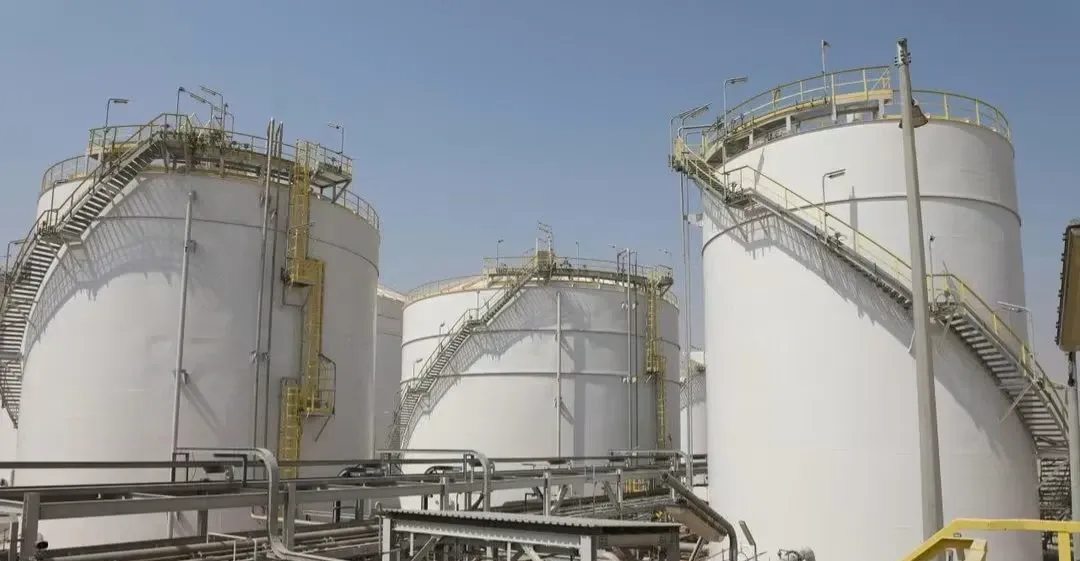
Iraq has increased its exports of crude oil via the Turkish port of Ceyhan to about 500,000 barrels per day, in an effort to strengthen export outlets away from the Strait of Hormuz, according to specialized media reports.
The reports indicate that Baghdad has begun trucking Basra crude to a system of pipelines in the north of the country, where currently about 200,000 barrels per day of Basra oil are exported via Ceyhan after being moved from the southern fields to collection stations in Saralo and Khurmala and then pumped toward the Turkish port.
Iraqi authorities turned to increasing reliance on alternative export routes after the outbreak of the war with Iran and the closure of the Strait of Hormuz since March 2026, which caused widespread disruptions to production and exports from the Gulf region.
According to the reports, production in Iraq’s southern fields fell sharply in the first weeks of the war, declining by an estimated 70% to record an average of about 1.3 million barrels per day, compared with about 4.3 million barrels per day before the conflict, before beginning to recover gradually as exports increased via alternative routes.
The report quoted Oil Minister Bassem Mohammed Khudhair as saying last month that Iraq's exports exceeded 3.4 million barrels per day during October, approaching pre-war levels.
The report also said that Iraq plans, in the long term, to reactivate a pipeline project that would carry crude to the Syrian coast on the Mediterranean with the aim of bypassing the Strait of Hormuz, with an estimated implementation period of between three and four years.
Reports said Iraq’s exports rose by about 9.5% in October to reach roughly 3.35 million barrels per day, while the main Arab oil-producing countries in the Gulf recorded a total increase in their shipments that helped boost global supplies and ease price pressures.
According to tanker-tracking data compiled by Bloomberg and firms specializing in energy market analysis, exports from Saudi Arabia, the UAE, Iraq and Kuwait rose by nearly 10% to reach 15.53 million barrels per day in October, while no Iranian exports were recorded for the second consecutive month amid the US maritime blockade.
These figures, the data show, reflect the return of oil flows from Gulf producers via transfers and shipments that used alternative routes to circumvent the constraints and navigation risks associated with the Strait of Hormuz, mechanisms the UAE began adopting before Saudi Arabia followed suit.