China cuts margin requirement to 80% to calm stock markets as Seoul readies stability fund
Shanghai, Shenzhen and Beijing exchanges, with approval from the China Securities Regulatory Commission, lowered the minimum margin requirement for leveraged stock purchases from 100% to 80% effective Nov. 30 as part of a market-support package, while South Korea prepared to activate a stability fund ahead of trading on Monday.
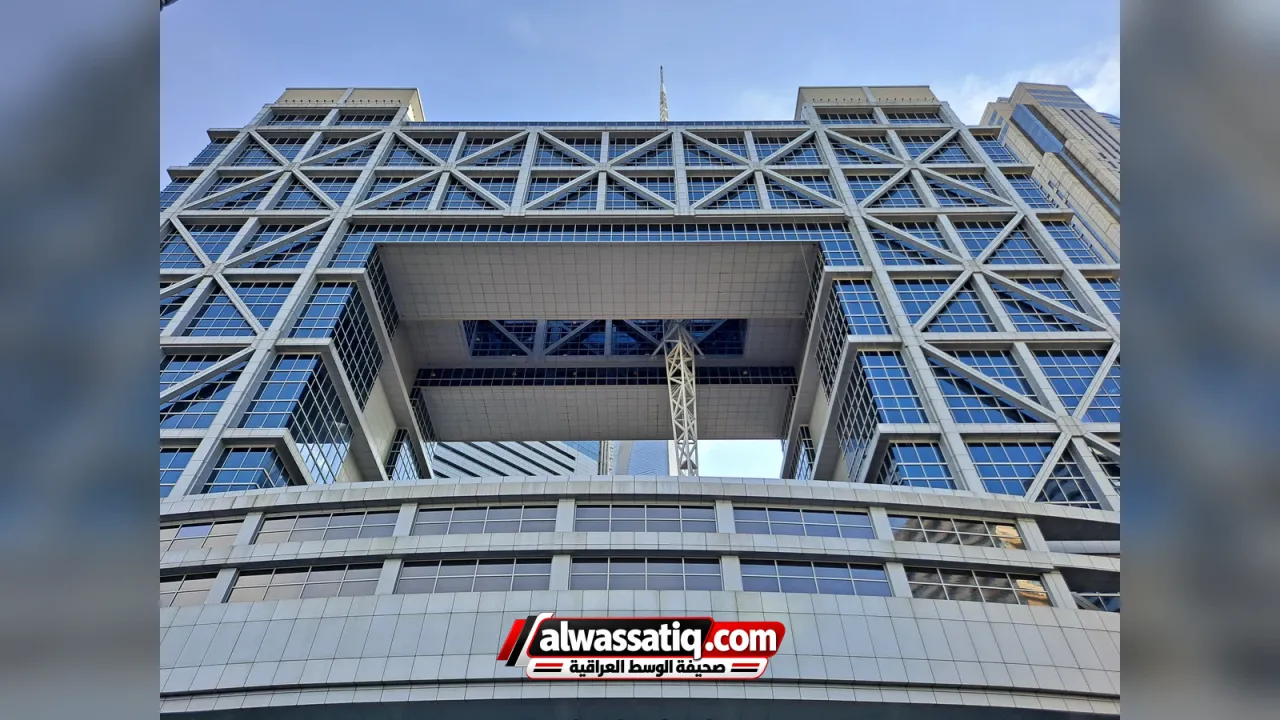
Shanghai, Shenzhen and Beijing exchanges announced on Sunday, Nov. 22, 2026, with the approval of the China Securities Regulatory Commission, that they would lower the minimum margin requirement for investors buying securities with borrowed funds from 100% to 80%, with the revised rules to take effect on Nov. 30, in a move aimed at supporting stock-market stability amid sharp global market turmoil.
The decision means investors are now required to provide a smaller share of their own funds when financing stock purchases, raising the maximum available leverage to 1.25 times. Estimates indicate the measure could theoretically inject about 400 billion yuan of additional liquidity into China’s stock market.
Return to pre-January level
The three exchanges had raised the margin ratio from 80% to 100% last January to limit the buildup of leverage risks. The Shanghai exchange said margin-trading activity had fallen noticeably recently and that overall leverage was not high, allowing the ratio to be reduced as a counter-cyclical intervention to boost liquidity and free up more room for financing.
The new ratio also applies to existing financing contracts that were not settled before the change, and brokerages can calculate investors’ available balances under the amended rules. The notice also requires brokerages to tighten management of clients’ trading behavior and to apply stricter margin ratios to investors who engage in unusual trading, with the ability to restrict, suspend or terminate financing services in serious cases, aimed at preventing excessive speculation.
Fee exemptions through 2028 and market makers on ChiNext
As part of the same package, the Shanghai and Shenzhen exchanges announced a new round of fee cuts, including a waiver of trading unit usage fees for 2026, and an extension of the waivers on listing fees and bond trading fees that have applied since the start of the year for an additional two years until the end of 2028. The Shenzhen exchange also published a draft for public consultation to introduce a market-maker system to the ChiNext board for growth companies, with the aim of boosting liquidity and curbing price volatility.
These steps come after China’s main indexes fell in recent days and following a sharp drop on Friday that exceeded 5% in each of the Nasdaq, Nikkei and KOSPI amid a global sell-off in technology and artificial-intelligence stocks. The central bank had cut earlier this month the interest rate on stock repurchase loans to support the capital market.
Seoul prepares to activate stability fund for first time since 2008
In South Korea, the Ministry of Economy and Finance said on Sunday it had immediately begun preparatory work to activate the market-stabilization fund as market conditions warrant, following an emergency meeting chaired by Deputy Prime Minister and Finance Minister Lee Hyeong-il and attended by the governor of the Bank of Korea, the chair of the Financial Services Commission and the head of the Financial Supervisory Service, ahead of trading resuming on Monday.
Commitments to the fund total about 10.76 trillion won, including 10 trillion won from financial institutions and 760 billion won from securities-sector firms. The fund has not been used since the global financial crisis in 2008. The move came after the KOSPI fell about 5.2% on Friday to its lowest close in ten months.
Easing buyback limits and monitoring short-selling
Korean authorities also decided to relax the daily cap on listed companies’ buyback orders for three months, and to closely monitor margin loans and forced liquidations to prevent cascading sales, and to crack down on illegal short-selling, while the package did not include new restrictions on short-selling. Taiwan had tightened short-selling restrictions after its worst week for stocks in more than three decades.