Figs and Olives: Nutritional Treasures for the Body
Figs and olives: nutritional treasures for heart and digestive health — what do scientific studies say?
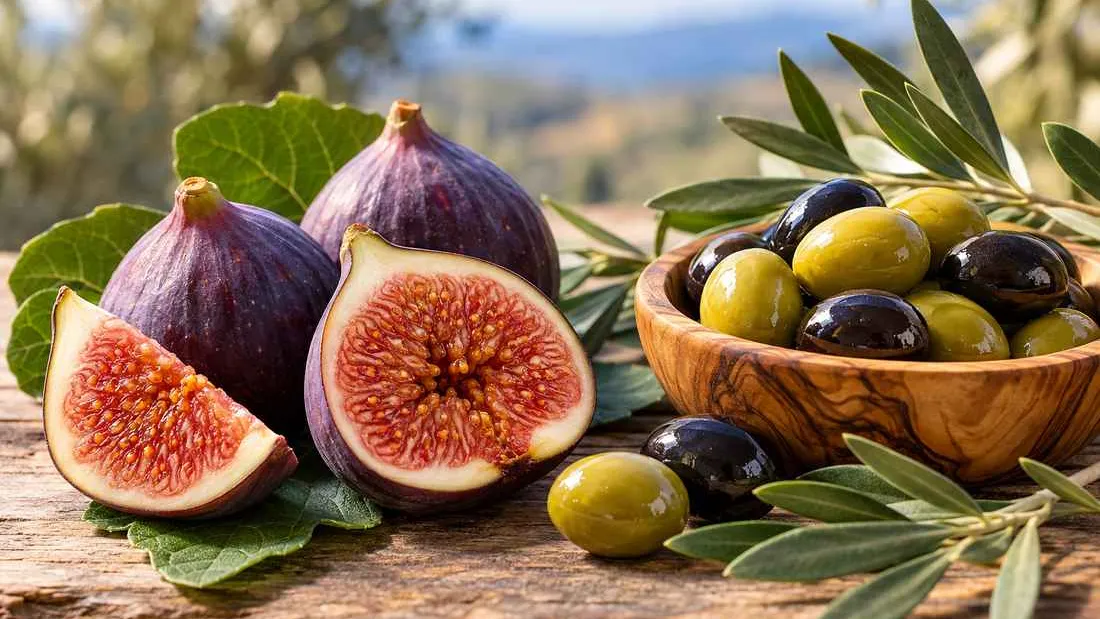
Figs and olives... nutritional treasures for heart and digestive health and benefits many may not know
Al-Wasat Iraqi newspaper – Health and Nutrition
Figs and olives are among the oldest fruits known to humankind, and they have been linked throughout history with food, health and ancient civilizations. They are also mentioned in the Qur'an in the verse: "By the Fig and the Olive.".
Beyond their religious and historical status, nutritional research reveals that these two fruits contain a range of beneficial components for the body, from fiber and minerals to healthy fats and antioxidants, making them important choices within a balanced diet.
So what are the main benefits of figs and olives? Does daily consumption improve health? And what are the appropriate amounts to benefit from them?
First: Health benefits of figs
1. Improving digestion and preventing constipation
Figs are characterized by their dietary fiber content, which helps regulate bowel movements and improve digestion.
Fiber contributes to increasing stool bulk and facilitating its passage, which may help reduce constipation, especially when figs are eaten as part of a diet that contains adequate fluids.
2. Supporting heart health and blood pressure
Figs contain potassium, an important mineral for regulating fluid balance and muscle and nerve functions, and obtaining sufficient amounts through the diet contributes to supporting normal blood pressure levels.
Also, the fiber in figs is among the nutrients associated with heart health, but eating figs alone is not a treatment for high blood pressure or heart disease.
3. Contributing to bone health
Figs provide varying amounts of calcium, magnesium and potassium — minerals that play important roles in maintaining normal bone and muscle functions.
Dried figs have a higher concentration of some of these minerals compared with the same weight of fresh figs, due to lower water content.
4. Providing antioxidants
Figs contain plant compounds, including phenolic compounds that act as antioxidants.
Antioxidants help counter some effects of oxidative stress in the body, although the presence of these compounds does not mean figs prevent cancer or directly treat chronic diseases.
5. Helping to promote satiety
Fresh figs can help enhance feelings of fullness thanks to their water and fiber content, making them a suitable snack option instead of some processed sweets.
But moderation remains necessary, because figs naturally contain sugars, and their energy density increases in dried figs.
Second: Health benefits of olives
1. Supporting cardiovascular health
Olives are a natural source of monounsaturated fats, foremost of which is oleic acid.
These fats are associated with heart health benefits when they replace saturated fats found in some foods, as they can help improve levels of LDL ("bad") cholesterol in the blood.
Olives and olive oil are staples of the Mediterranean diet, which is linked to lower risks of cardiovascular diseases.
2. Protecting cells from oxidative stress
Olives contain vitamin E and plant antioxidant compounds, including polyphenols.
These compounds help protect cells from certain oxidative damage, and their potential effects on inflammatory processes and vascular health are under study.
3. Supporting digestive health
Whole olives provide a quantity of dietary fiber that contributes to improved digestive transit and feelings of fullness.
This differs from olive oil, which contains beneficial fats but does not provide the fiber found in the whole fruit.
4. Contributing to a balanced diet
Olives can be part of healthy meals that include vegetables, whole grains, legumes and fish — components that together are associated with better heart health outcomes.
However, olives preserved in brine may contain high amounts of sodium, so attention should be paid to portion size, especially for people with high blood pressure.
Third: What happens when figs and olives are eaten together?
Eating figs and olives combines different and complementary nutrients.
Figs provide fiber, natural carbohydrates and some minerals, while olives provide healthy fats and antioxidants.
They can be combined in a balanced meal, but it is important to emphasize that there is no strong clinical evidence proving that consuming figs and olives together in a specific ratio or number provides exceptional therapeutic benefits that go beyond their known nutritional benefits.
Health benefits depend on the overall dietary pattern, not on combining just two types of food.
Fourth: Fresh figs or dried — which is better?
Fresh figs are characterized by a high water content and fewer calories per 100 grams compared with dried figs.
Dried figs provide a higher concentration of fiber and some minerals, but they also contain more sugars and calories by the same weight.
Therefore, people monitoring blood sugar levels or trying to control their weight are advised to pay attention to portion size and not treat dried figs as a food that can be eaten in unlimited quantities.
Fifth: What is the appropriate daily amount?
Most healthy people can consume a moderate serving of figs, such as one or two medium-sized fruits, within their daily fruit needs.
As for olives, a small amount can be eaten with meals, favoring less salty varieties and checking the sodium content on the label.
Extra virgin olive oil can also be used in salads and dishes, and it is preferable as a replacement for some saturated fats rather than merely an addition that increases total calorie intake.
Appropriate amounts vary according to age, health status, physical activity and overall diet.
Sixth: Are there harms from excessive consumption of figs and olives?
Despite their benefits, excessive intake of them may lead to some problems.
Large amounts of figs, especially dried ones, may cause bloating or diarrhea in some people due to their fiber and sugar content.
As for pickled olives, excessive consumption may lead to increased sodium intake, which deserves attention for people with hypertension, kidney disease, or those following a low-salt diet.
Neither should be used as a substitute for prescribed medical treatment.
Conclusion
Figs and olives are examples of natural foods that combine nutritional value, distinctive flavor and a rich history.
Figs help provide fiber and important minerals for the body, while olives are notable for their content of unsaturated fats and antioxidants.
Scientific evidence indicates that including them in moderation as part of a varied diet can support overall health, particularly digestive and heart health.
Moderation and dietary variety remain the real foundation for benefiting from these fruits, away from exaggerating therapeutic benefits that studies have not proven.
Scientific references
The report relied on data from the US Department of Agriculture, information from the Cleveland Clinic, the US National Institutes of Health, and recommendations from the American Heart Association.
These sources support the mentioned nutritional benefits, but they do not prove a specific therapeutic effect from combining figs and olives.



