Implantable device in Zurich converts excess glucose into gluconate and regulates blood sugar in mice
A team at ETH Zurich developed an implantable device that converts excess blood glucose into gluconate excreted in urine; the device regulated blood sugar and reduced weight in mice but has not been tested in humans yet.
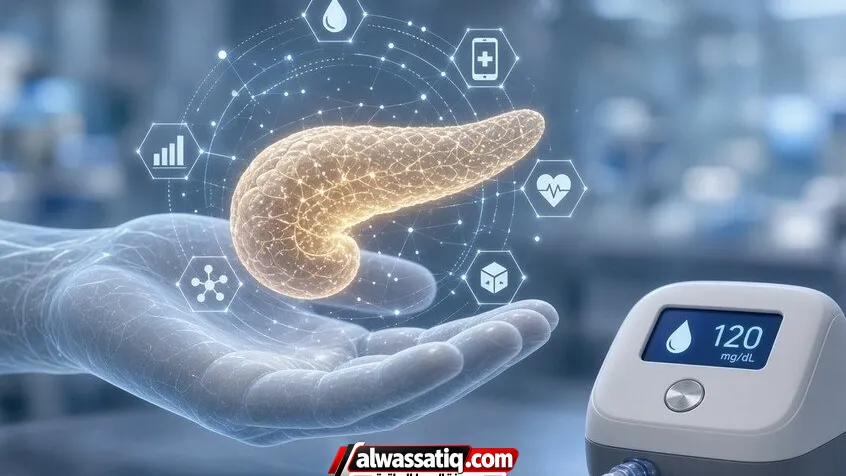
Researchers at the Swiss Federal Institute of Technology in Zurich (ETH Zurich) unveiled an implantable device that uses an electrochemical catalyst to convert excess blood glucose into a substance known as "gluconate," which the kidney excretes in urine, in an effort to develop a new therapeutic approach for type 2 diabetes typically associated with obesity and physical inactivity.
The innovation operates through three main components: a chemical–electrical nanoscale catalyst, an electronic control unit to manage operation, and a wireless power system that allows the device to operate without a fixed wired power source. The researchers said the catalyst is made of graphite, gold, and platinum, and does not rely on cells, enzymes, or biological components.
The device is linked to a glucose monitor of the kind patients wear on the upper arm. When blood sugar rises after eating, the sensor sends a signal via Bluetooth to a smartphone or smartwatch to activate the catalyst and begin converting glucose; the device stops automatically when readings return to the target range to reduce the risk of severe hypoglycemia.
The team first tested the device in the laboratory and then on mice with diabetes, and published the study results in the journal Science. Among the findings, the catalyst was able to convert glucose in five liters of laboratory solution — a volume close to the blood volume in the human body — and the device helped regulate blood sugar levels in the mice, with observed reductions in their weight during the experiment.
The experiments also showed the device operated reliably for six weeks with good tolerance by the animals, and no indicators of tissue damage were recorded from electrical or thermal effects. Martin Fussenegger, the research team leader, confirmed that operation occurs at very low voltage, noting that the device has not yet been tested in humans.
The researchers say the technique could open a new path for treatment based on direct electronic control of glucose levels instead of relying entirely on drugs, noting that many of the device’s electronic components and wireless power transfer systems are commercially available, which could facilitate future development.
The team explained it is currently developing the innovation into a usable medical device, but before it can be approved as a treatment for diabetes patients additional studies are still needed to assess its safety and efficacy in humans and to determine its ability to control blood sugar and limit weight gain.